

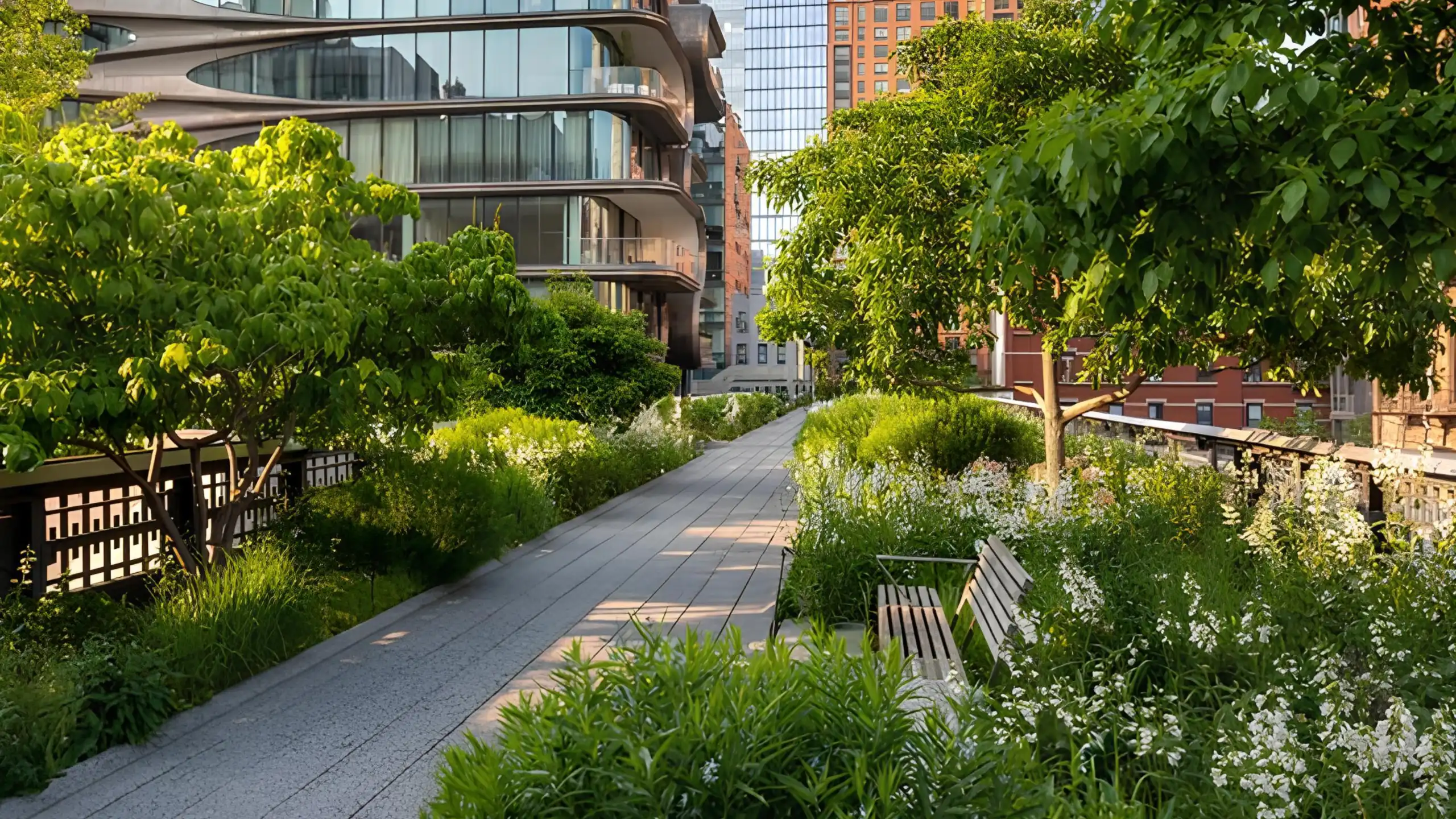
A Closer Look at the High Line: Living Near One of NYC’s Most Iconic Parks
The High Line is often framed as one of New York City’s greatest urban success stories. But its real impact is best understood the way residents experience it: not as a headline or a tourist destination, but as a piece of daily life along Manhattan’s west side.
For those who live nearby, the High Line is infrastructure turned into public space. It is woven into the neighborhoods it passes through, shaping how people move, where they linger, and how the west side feels from one block to the next.
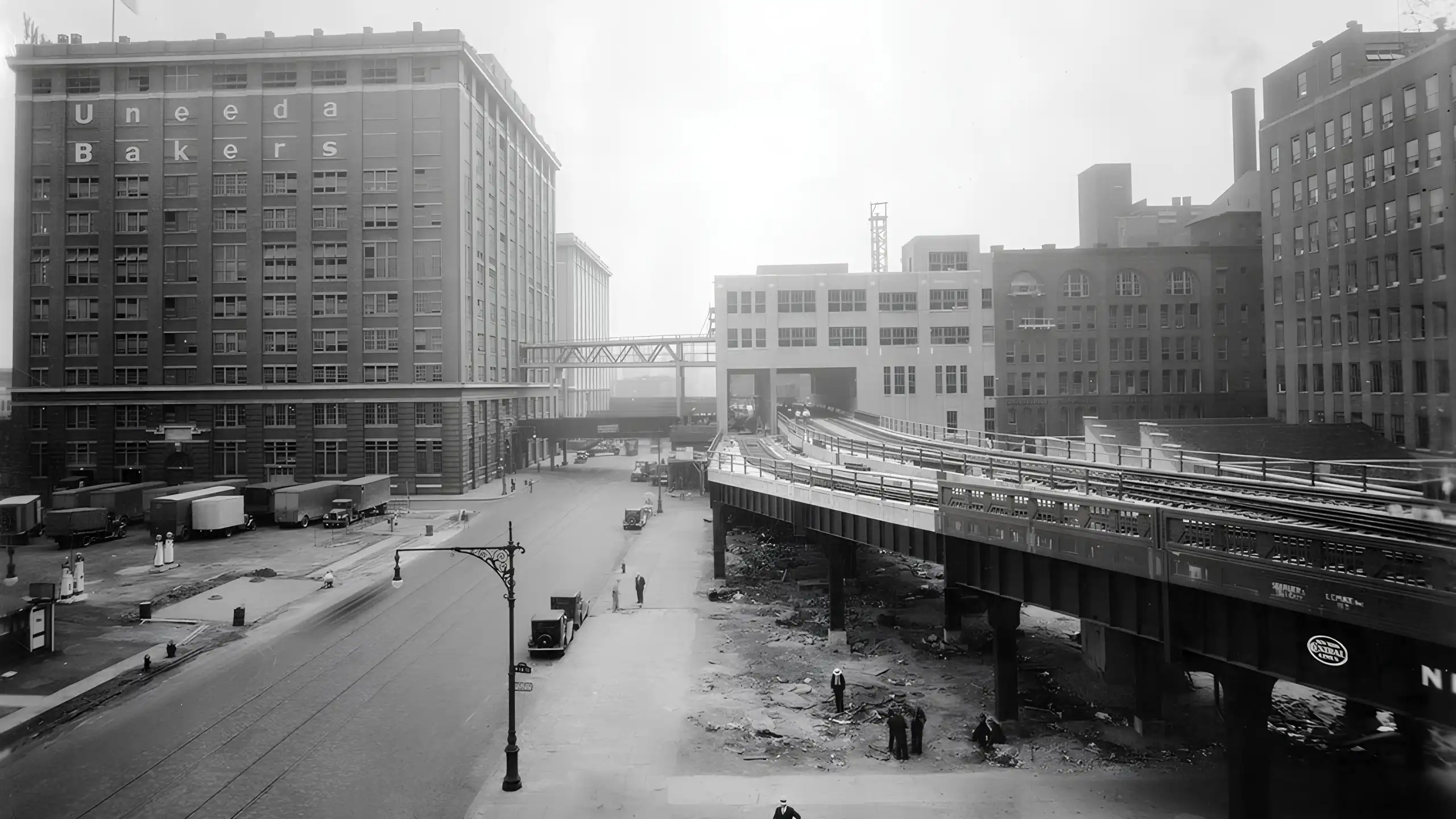
From Industrial Backbone to Cultural Landmark
Built in the early 1930s as part of the West Side Improvement Project, the High Line originally served as an elevated freight rail line, moving trains directly through warehouses and factories and removing dangerous street-level crossings.
By the 1980s, rail traffic stopped. The structure sat dormant for years, overgrown and rusting, largely forgotten by anyone who did not live right alongside it.
What happened next was not inevitable. The High Line exists as it does today because of sustained community advocacy and a broader reimagining of what urban infrastructure could become.
When the first section opened in 2009, it marked a turning point, not only for Chelsea and the Meatpacking District, but for urban planning globally. It proved that adaptive reuse could preserve history while creating something entirely new.
Design That Encourages Both Movement and Pause
What makes the High Line distinctive is not simply that it is elevated. It is how intentionally it was designed.
Original rail tracks remain embedded in the pathways, softened by naturalistic plantings inspired by the grasses that took hold during its years of abandonment. The experience is meant to shift as you move.
Wide gathering areas open into narrow passages. Seating is integrated into the landscape rather than placed on top of it. Viewing points frame the Hudson River, the skyline, and the streets below.
Unlike traditional parks that feel like a destination, the High Line excels at micro-moments. A short walk between plans. A quiet reset in the middle of a busy day. A pause that changes your perspective without requiring a full escape.
Where the High Line Runs and Why It Matters
Stretching from Gansevoort Street to West 34th Street, the High Line threads together multiple neighborhoods while maintaining its own identity.
Along its path, it connects:
The Meatpacking District
West Chelsea and the gallery district
Hudson Yards
Because it runs parallel to the Hudson River while remaining embedded within residential and commercial streets, it offers openness without isolation. For residents, that balance is the point. You get access to green space while staying firmly inside the energy and convenience of Manhattan.
Cultural Anchors Along the Way
The High Line does not exist in isolation. It is surrounded by some of the city’s most influential cultural institutions and destinations, and that proximity changes what “access” really means.
Living nearby puts you close to places like:
Chelsea Market, a longtime neighborhood hub blending food, retail, and history
The Whitney Museum, anchoring the southern entrance and extending the park’s relationship with contemporary art
Hudson Yards, shaping the northern end with architecture, retail, dining, and performance venues
Rotating public art integrated directly into the park itself
Galleries, design-forward retail, and performance spaces throughout West Chelsea
When you live here, cultural exposure becomes part of the rhythm of your week rather than something you plan around.
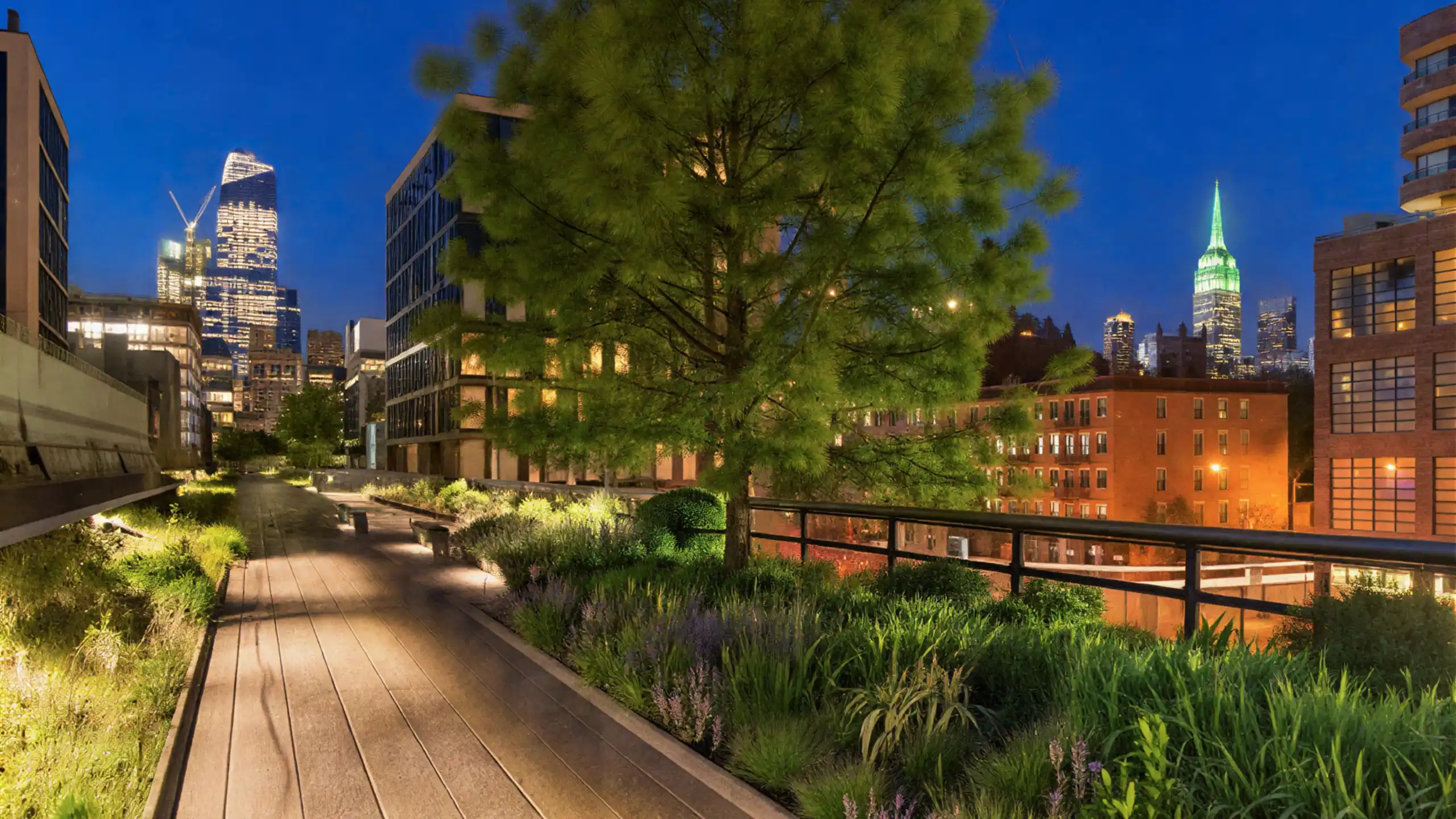
Architecture and Residential Living Along the High Line
The High Line has directly influenced the architecture that lines it. Many buildings nearby were designed to engage with the park, through terraces, floor-to-ceiling windows, and carefully considered setbacks.
A notable example is 520 West 28th Street by Zaha Hadid. It reflects how architecture in this corridor often responds to the High Line as both a visual element and a lifestyle feature.
Other buildings prioritize:
Light and sightlines over sheer height
Privacy through thoughtful orientation
A sense of connection without intrusion
For buyers, the nuance matters. Being “near” the High Line is not the same as living in a building that interfaces well with it. The difference can show up in noise, privacy, views, and how the home actually feels day to day.
How Locals Actually Use the High Line
Visitors often walk the full length. Locals rarely do.
For residents, the High Line is more often a connector than a destination. People enter at quieter access points, walk a few blocks, then exit back into the neighborhood. It becomes an alternative route between errands, meetings, dinner plans, or the waterfront.
Timing matters too. Locals quickly learn when the park feels calm, when it feels crowded, and when street level is the better option. That familiarity is what transforms the High Line from a landmark into a true amenity.
Why Living Near the High Line Feels Different
The appeal is not novelty. It is balance.
Living near the High Line offers:
Green space without leaving the urban core
A blend of architecture, art, and landscape in daily view
Neighborhoods shaped by intentional design rather than coincidence
It supports a lifestyle that values movement, observation, and access, without demanding participation. The High Line is there when you want it, and easy to step away from when you do not.
A Park That Changed the City
The High Line is often studied as an urban planning case study. But for the people who live alongside it, its impact is personal and practical. It influences how buildings are designed, how neighborhoods evolve, and how New York feels from one day to the next.
Living near the High Line is not about proximity to a tourist attraction. It is about living alongside one of the city’s most thoughtful reinventions, quietly, deliberately, and with an appreciation for how New York continues to evolve.
If you are considering a move to the west side and want to understand which buildings and blocks truly benefit from High Line proximity, email me at hdomi@heatherdomi.com or call 917.267.8012.
Social Cookies
Social Cookies are used to enable you to share pages and content you find interesting throughout the website through third-party social networking or other websites (including, potentially for advertising purposes related to social networking).