

How Tribeca Became a Family Neighborhood
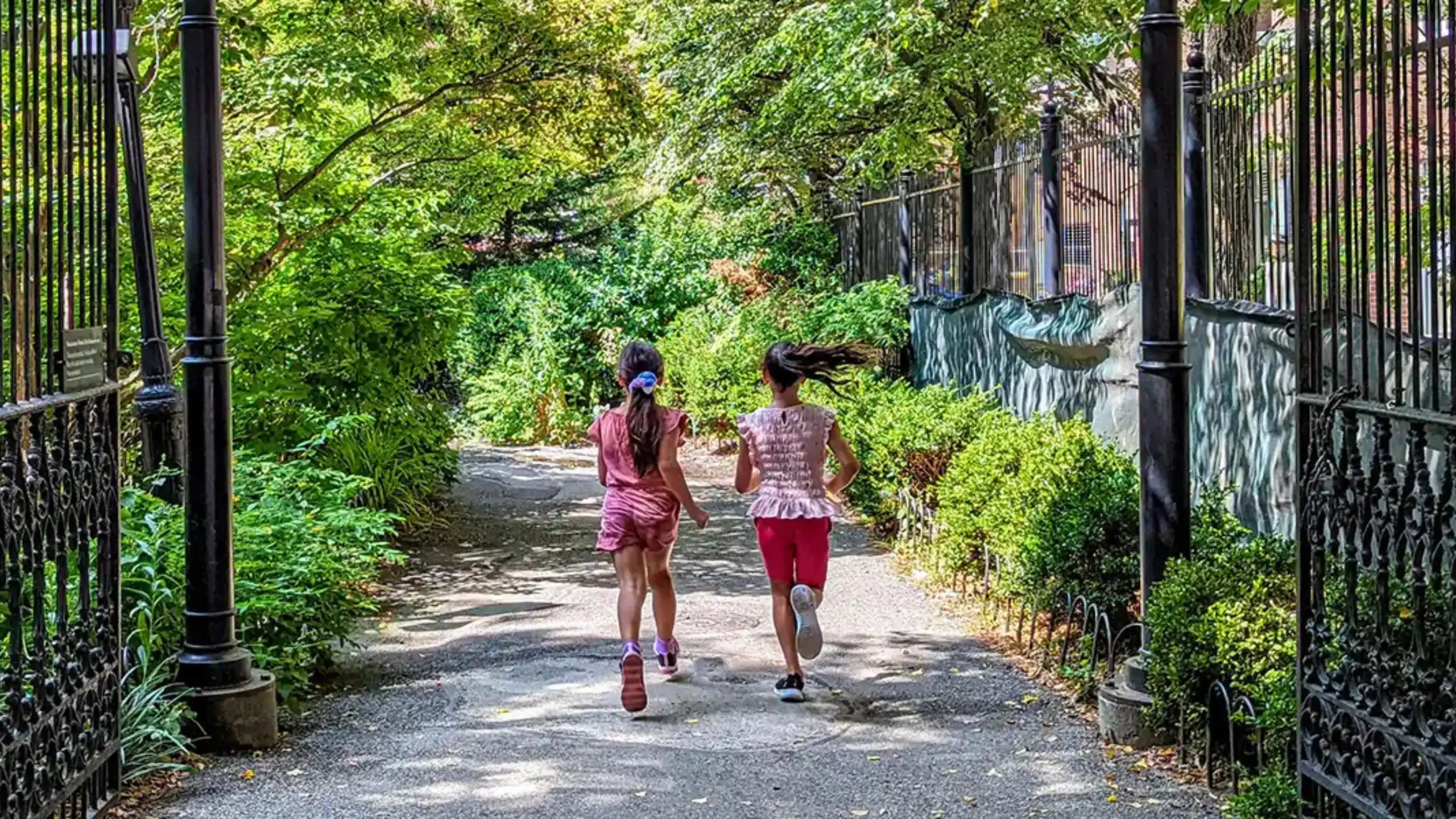
On any summer weekend, if you walk down Chambers toward the water, or through Washington Market Park in the middle of the afternoon, or along the Hudson River pier near the mini golf and the volleyball courts, you will see something that would have looked impossible in this neighborhood forty years ago. Families everywhere. Strollers doubled up on the sidewalks. Parents at outdoor tables lingering past what used to be dinner hour, because school ended for the summer and there is nowhere they need to be. Younger kids on scooters. Older kids on the way to the pier. Toddlers being carried through the crosswalk by dads still in work clothes.
I have lived in Tribeca for nearly twenty years, and one of the quiet transformations I have watched is the neighborhood becoming, unmistakably, one of the great family enclaves in Manhattan. This did not happen by accident, and it did not happen quickly. It was the result of a specific set of choices made by specific people over the course of decades, and those choices have made the neighborhood I now walk through every summer look very different from the one that existed when I moved in.
The story really starts in the late 1970s, when a group of Tribeca residents refused to let the city turn a garbage-filled empty lot on Chambers into a parking garage. They pushed instead for a park. Kathryn Freed, who later became the City Councilwoman for Lower Manhattan, was one of the activists in the room. They organized, they showed up to meetings, they persuaded the city to build a park instead of pavement. Washington Market Park opened in 1983, an acre and a half of lawn and playground and community garden in the middle of what was still, at the time, a mostly commercial neighborhood.
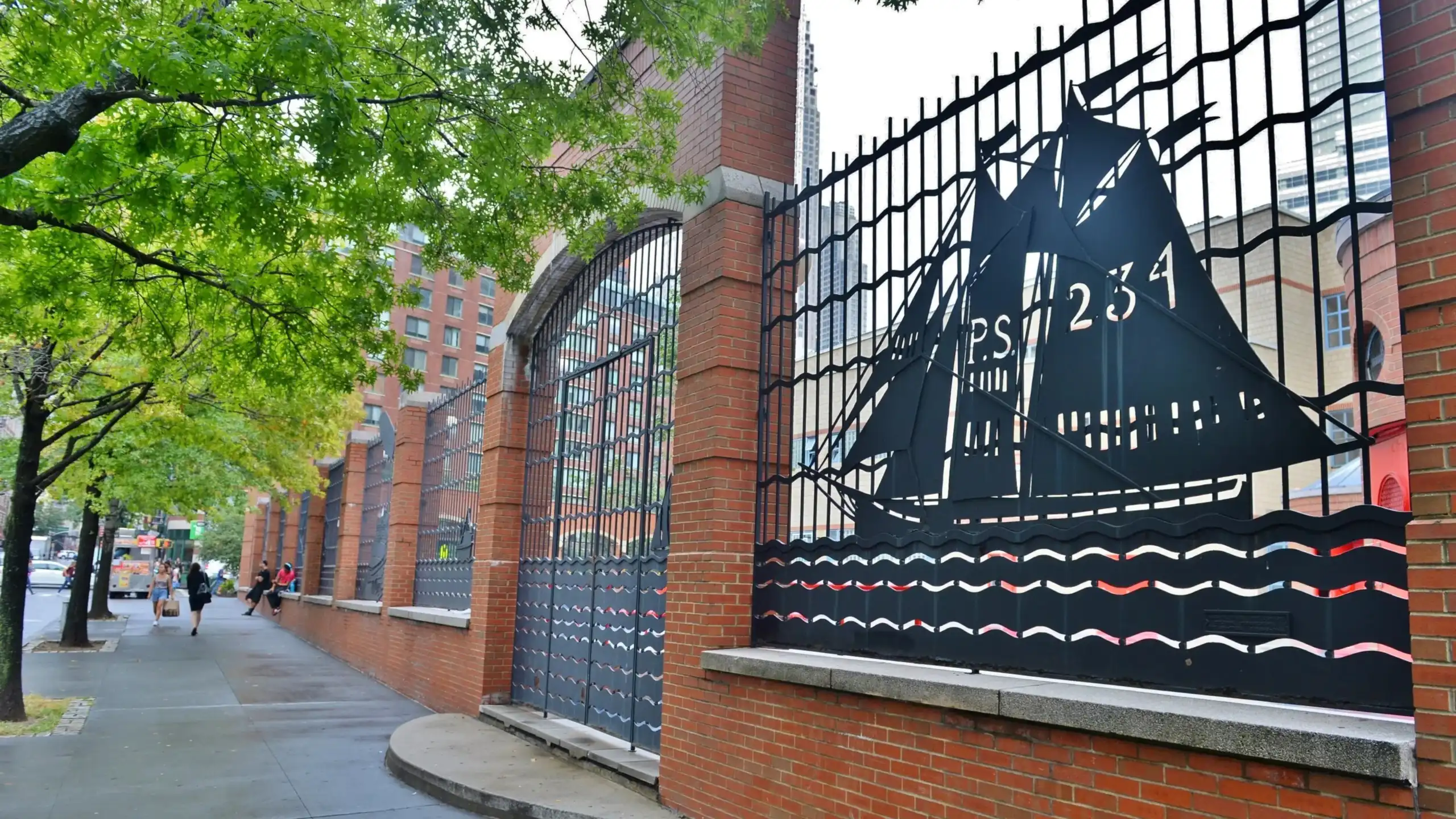
Five years later came the second turning point. Community Board 1, led by then-district manager Paul Goldstein, pushed the city to build a new elementary school on Greenwich Street between Chambers and Warren. PS 234 opened in 1988. Its first principal, Blossom Gelernter, worked with the architect Richard Dattner on the design, which is why the building has a bell tower and turrets and strikingly wide hallways, all meant to feel like something out of a storybook. Goldstein said later that PS 234 was “the magnet that drew so many families into the neighborhood.” He was right.
Around the same time, a small school called PS 150 was quietly opening in an annex of Independence Plaza, serving the handful of children whose families had moved into the new residential towers. It stayed small on purpose. Today PS 150 has moved into a brand-new building at 77 Greenwich Street, but almost all its parents chose to follow it there rather than send their children to their zoned schools. That is how much they love it.
Two extraordinary public schools within a few blocks of each other. That is not a common feature, and it is one of the things that turned Tribeca from a place where families happened to live into a place where families specifically wanted to be.
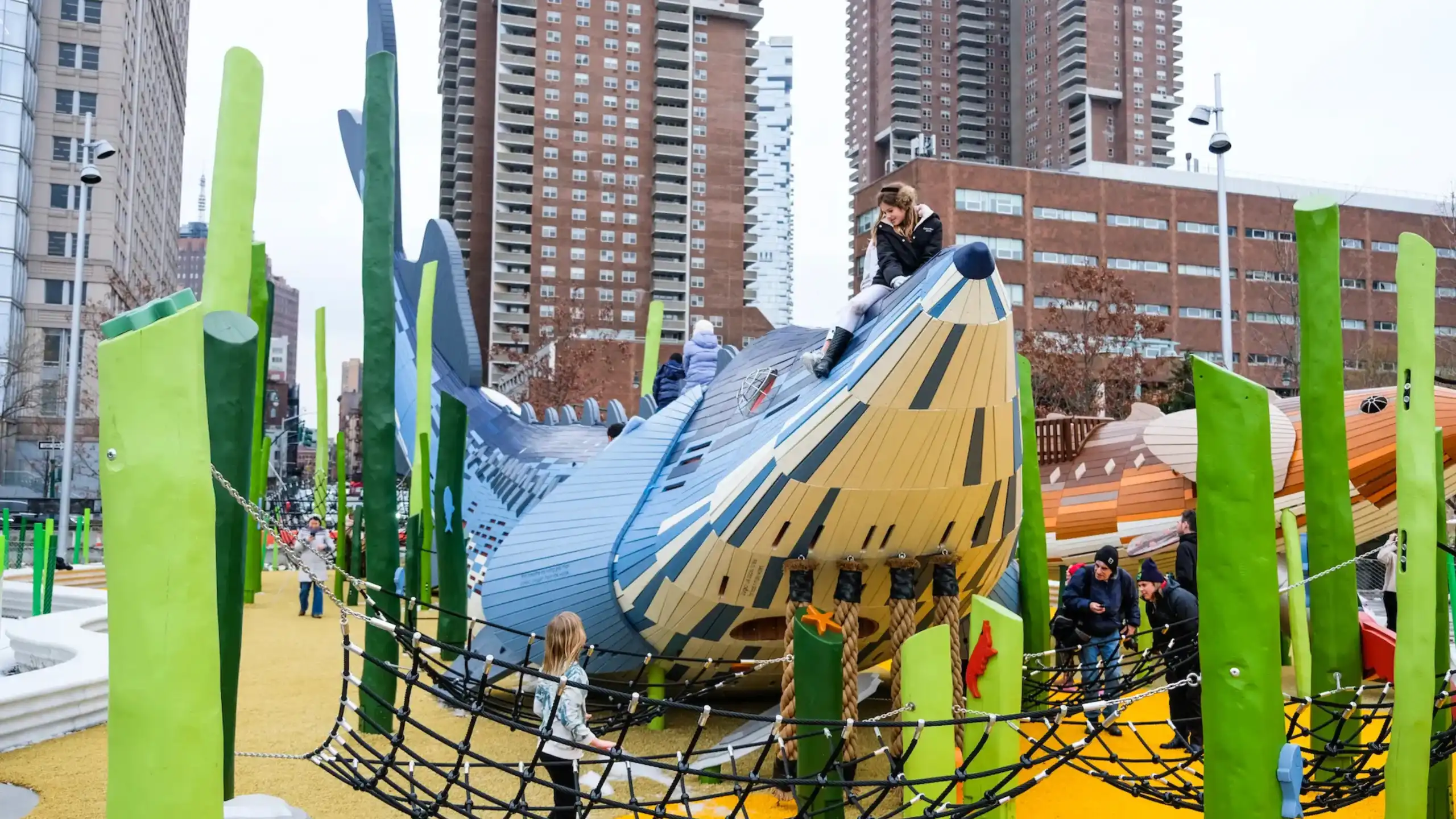
Then came Hudson River Park. Piers 25 and 26 were transformed from crumbling industrial infrastructure into some of the best waterfront play space in the city. Pier 25 has the mini golf course, the sand volleyball courts, the long playground, and the sweeping views of the harbor. Pier 26 has the Science Playground with its enormous marine-life sculptures. On a Saturday in July, both piers are full. So is Washington Market Park. So is the playground at PS 234. This is a neighborhood built around the assumption that children need places to be children in.
The retail followed the families, the way it always does. Pediatricians, pediatric dentists, gymnastics studios, art programs, music lessons, martial arts. The stroller-friendly cafes. The gelato places. The kids’ clothing stores. The grocery stores that stock the specific brands parents look for. If you were opening a family-focused business in Manhattan today, Tribeca would be on the shortlist. If you had opened one here in 1985, you may have gone out of business by 1987.
What I find most interesting about all of this is that none of it was inevitable. Tribeca could have stayed a nightlife neighborhood or evolved into something more like the Meatpacking District, with a heavy emphasis on commerce over family roots. It became a family neighborhood because people who lived here fought for the specific infrastructure that families need. A park where they did not have to fight for one. A school where they did not have to build one. A waterfront where they did not have to imagine one.
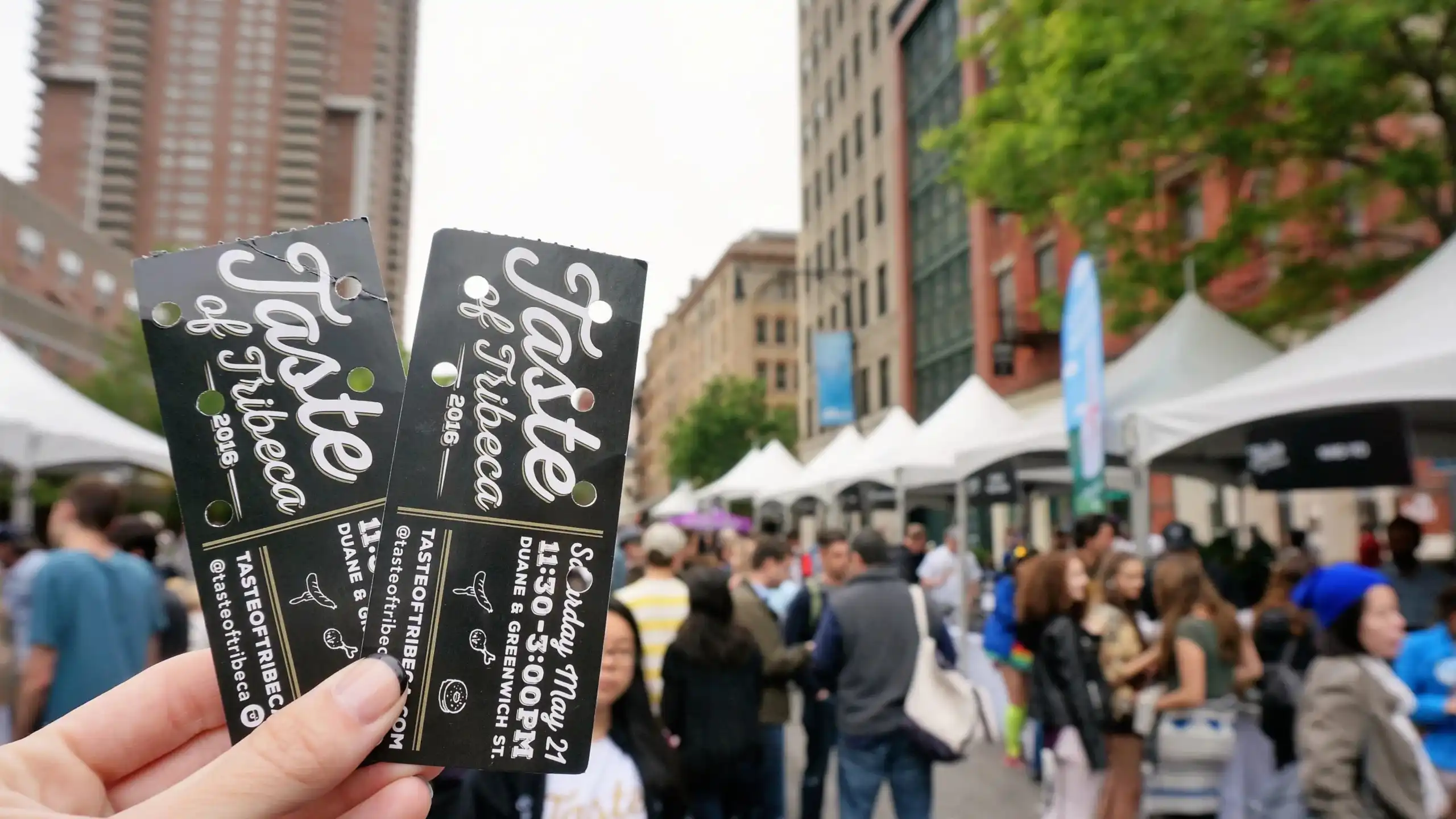
Almost twenty years in, I am still moved by how much this neighborhood shows up for its families. The Taste of Tribeca festival every May, which raises money for PS 234 and PS 150 through the volunteer efforts of parents from both schools. The Halloween parade through Washington Market Park. The kids’ science days along the river. The way the block associations mobilize every time something on their corner needs attention. The way people who moved here in their twenties for the lofts are now dropping their kids at the same schools their neighbors’ children attend.
If you are a longtime resident, you already know all of this. If you are thinking about the neighborhood as a future home for your family, this is what I would want you to understand. The Tribeca you see in the summer, the kids on the piers, the parents in the park, is the result of forty years of very intentional work by people who wanted a neighborhood where they could raise their children well.
If you would like to talk about what living here as a family actually looks like, or how to think about the neighborhood for your next chapter, reach out at hdomi@heatherdomi.com or (917) 267-8012.
Social Cookies
Social Cookies are used to enable you to share pages and content you find interesting throughout the website through third-party social networking or other websites (including, potentially for advertising purposes related to social networking).