

New Development vs. Classic Tribeca: How to Choose the Right Type of Home
Tribeca buyers often find themselves choosing between two very different kinds of homes: classic lofts with history and character, or new developments with modern finishes and amenities. Both can be excellent options. The question is not which one is better in the abstract, but which one fits the way you actually want to live.
That is part of what makes Tribeca so compelling. Few neighborhoods in New York offer this kind of contrast within the same market. On one block, you may find a true loft in a former warehouse with cast-iron columns, oversized windows, and original detail. A few minutes away, you may be looking at a full-service condominium with river views, private storage, a fitness center, and a more turnkey experience. Tribeca has room for both, and buyers are often deciding between them.
What Defines a Classic Tribeca Home
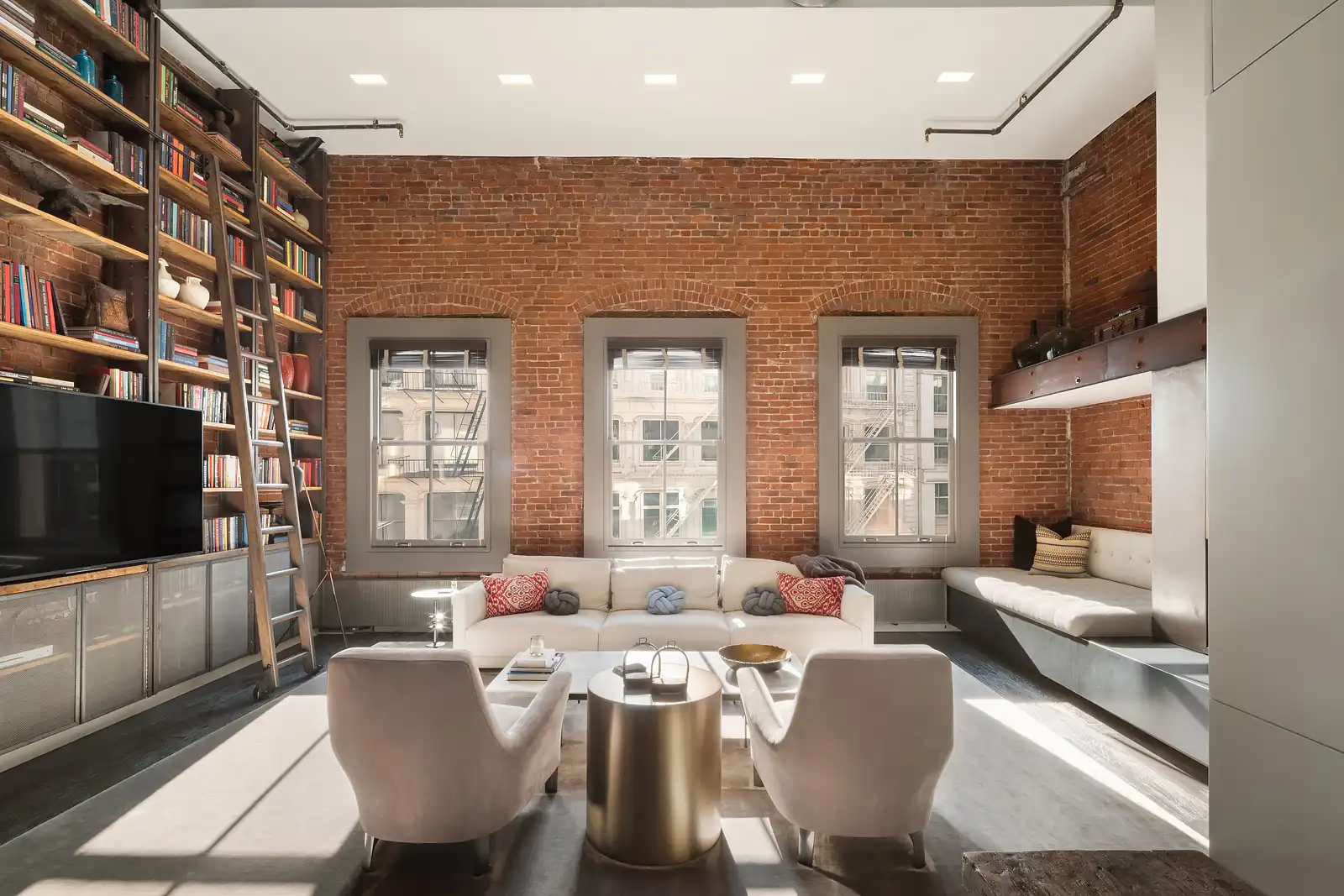
Classic Tribeca homes are usually found in historic cast-iron or prewar buildings, many of which began as warehouses or industrial spaces before being converted into residences. Their appeal is easy to understand: generous scale, high ceilings, oversized windows, and the kind of architectural detail that gives a home real identity. Exposed brick, wood beams, cast-iron columns, and unusual layouts are part of what make these homes feel singular. No two are exactly alike, and that rarity is a major part of their lasting value.
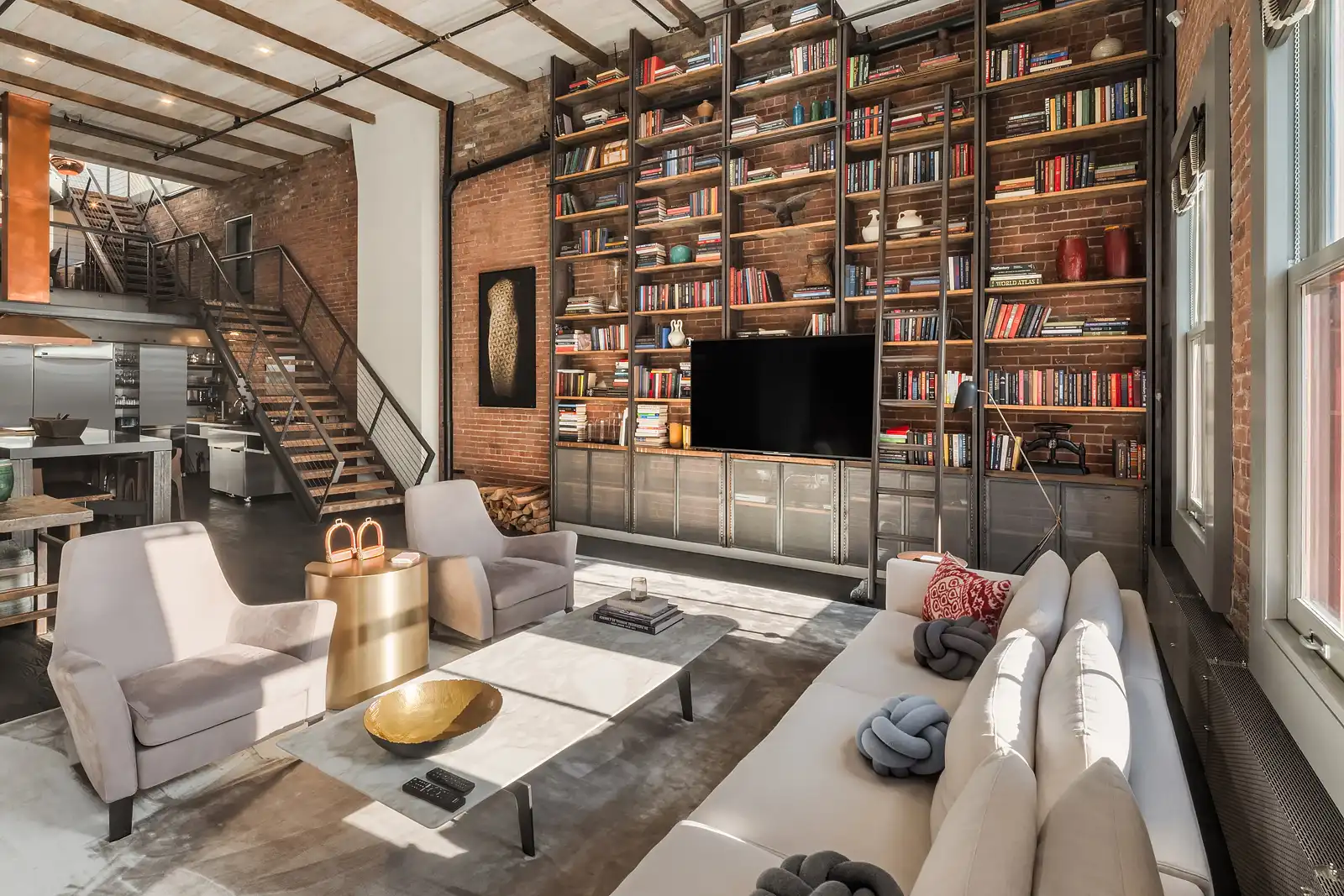
For buyers who care about character, classic Tribeca can be hard to replicate. These homes often feel more personal, more storied, and more connected to the neighborhood’s history. They also tend to offer a sense of volume and openness that many buyers still associate with the idea of downtown loft living.
But the tradeoffs are real. Renovations may be dated, incomplete, or highly customized to someone else’s taste. Amenities are often limited or nonexistent. Maintenance and capital improvements can require more owner involvement, and some buildings are co-ops, which may come with a more involved approval process and added restrictions.
In day-to-day terms, that can mean more unpredictability. You may get a beautiful loft with incredible bones, but also older building systems, less storage, fewer services, and more decisions to make over time. For some buyers, that is part of the appeal. For others, it is exactly what they want to avoid.
What Defines a Tribeca New Development
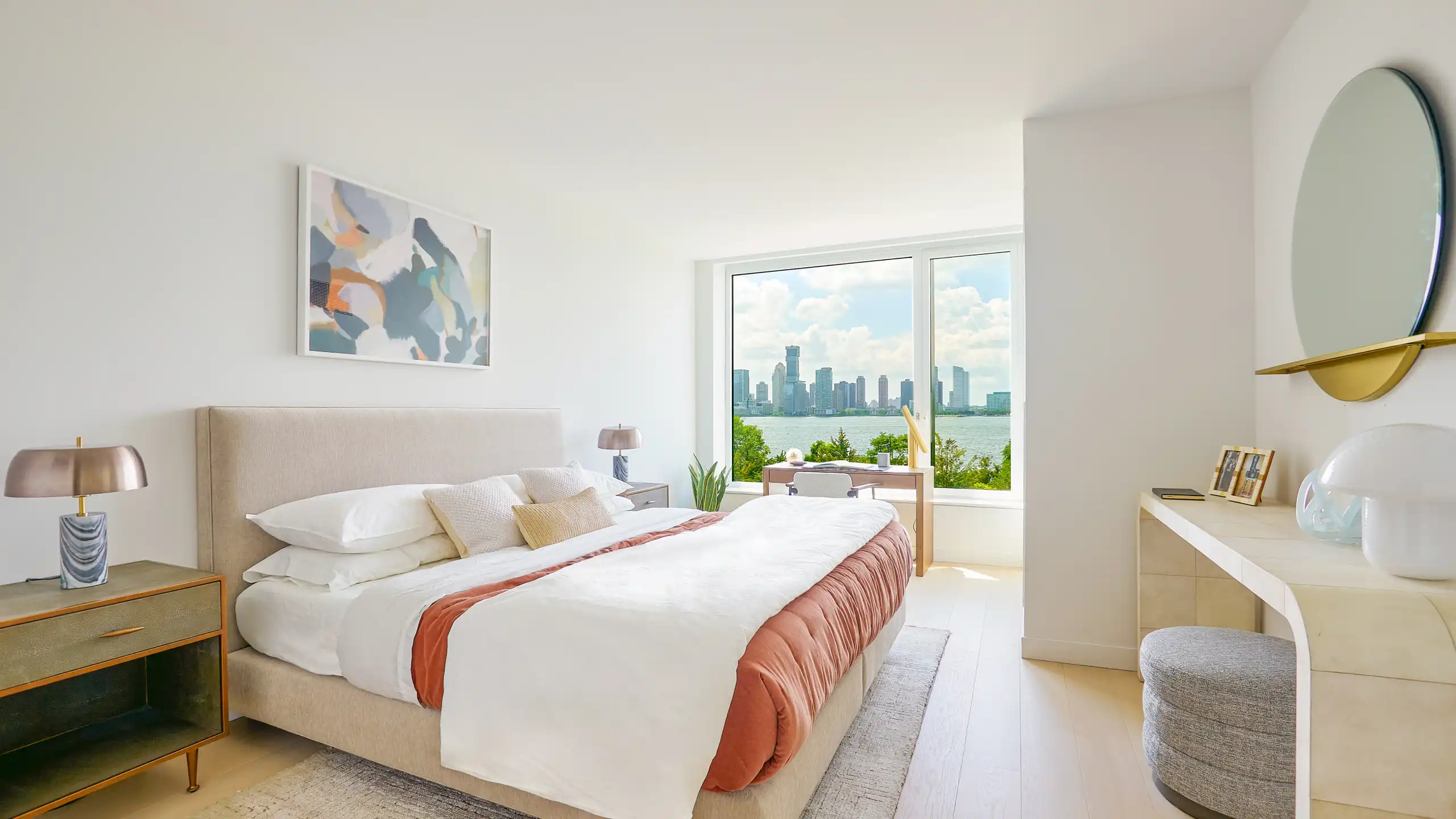
New development in Tribeca offers a different version of luxury living: one built around comfort, ease, and predictability. These are typically condominiums designed for how people live today, with updated infrastructure, modern finishes, and amenities that remove a lot of day-to-day friction.
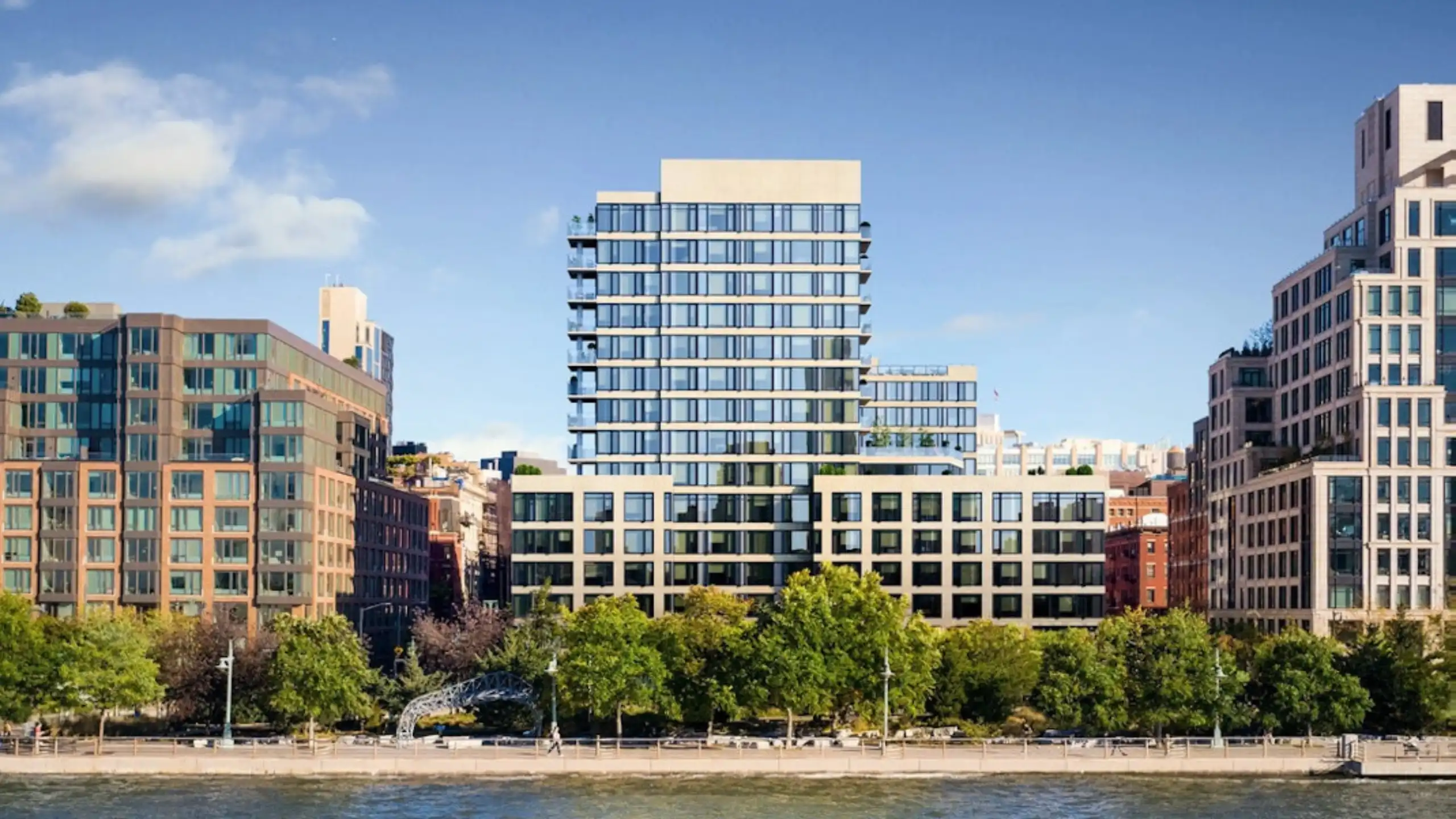
The appeal is clear. Buyers are usually getting brand-new construction or newly delivered residences, layouts designed for modern living, full-service buildings, and features like doormen, fitness centers, storage, outdoor space, children’s playroom and energy-efficient systems. Near-term maintenance is usually lower, and the experience is often much more turnkey.
Many of Tribeca’s newer developments are also clustered along the waterfront or in buildings with helicopter views, which can offer something unusually rare in Manhattan: more light, open outlooks, and a stronger connection to outdoor space. Buildings like 111 Murray, 67 Vestry, 450 Washington and 70 Vestry helped define that newer phase of Tribeca luxury, with large-scale amenities and strong river exposure, paired full-service living with classical pre-war finishes and detailing, creating a more polished and practical lifestyle.
That said, new development comes with its own tradeoffs. Pricing usually reflects the premium of new construction. Architectural character can feel more restrained, especially when compared with a true loft. Floor plans may be more structured and less flexible. And future resale value can be influenced by additional development nearby, particularly as competing inventory enters the market and these properties age without reinvestment in their interior finishes.
In practical terms, new development tends to work well for buyers who want less uncertainty. If you value service, convenience, modern systems, and a home that feels ready from day one, newer product can make daily life significantly easier.
Layout, Design, and Daily Life
This is often where the decision becomes clearer.
Classic Tribeca homes tend to offer more individuality. Layouts can feel expansive and open, with dramatic proportions and rooms that do not look like anything else on the market. But that flexibility can also require more imagination. Furnishing can be more complex, storage may be less intuitive, and older renovations may not support the way a buyer wants to live now.
New developments usually offer more structured planning. Kitchens tend to be more integrated into daily use, bedrooms are often more defined, and systems like air conditioning, laundry, elevators, and building services are more consistent. That can make everyday living easier, especially for buyers who want a primary residence, a pied-à-terre, or something they can move into with minimal work.
Put simply: classic Tribeca often gives you more soul, while new development often gives you more ease.
Which Type of Buyer Does Each One Suit?
There is no universal right answer in Tribeca, but the choice often becomes simpler when you think about your priorities honestly.
A classic Tribeca home may be the better fit if you:
- care deeply about original detail, scale, and architectural personality
- are comfortable taking on renovations or living with some building idiosyncrasies
- want a home that feels rare and rooted in the neighborhood’s history
- are willing to trade amenities for character
A new development may be the better fit if you:
- want a more turnkey experience
- value amenities like a doorman, fitness center, storage, or outdoor space
- prefer modern systems and lower near-term maintenance
- want predictability in how the home functions day to day
That is why we always come back to lifestyle first. The right question is not “Which is more desirable?” It is “Which one will feel better to live in six months after the excitement of the search wears off?”
Lifestyle Comes First
When buyers are weighing new development against classic Tribeca, we often come back to a few core questions:
- Do I care more about architectural character or modern efficiency?
- Am I comfortable managing renovations, older systems, or building quirks?
- How important are amenities like a doorman, gym, storage, or outdoor space?
- Is this a primary residence, a pied-à-terre, or an investment?
- Do I want more flexibility and individuality, or more predictability over time?
These questions matter because a home can look compelling online and still be the wrong fit in real life. The best choices in Tribeca are usually the ones that line up with how someone wants to move through their day, not just what photographs well.
Investment and Resale Considerations
From an investment perspective, both property types can perform well in Tribeca, but often for different reasons. Classic properties tend to hold value through scarcity, architectural uniqueness, and the fact that truly authentic loft inventory is limited. New developments often appeal to a broader buyer pool because they offer convenience, amenities, and a more turnkey product, sometimes with premium positioning near the waterfront.
In practice, the label alone matters less than the details. Pricing, layout, building quality, location within the neighborhood, and the strength of the individual asset matter more than whether something is simply described as “new” or “classic.” That is where a micro-market understanding of Tribeca becomes essential.
Some of the Biggest New Developments in Tribeca in Recent Years
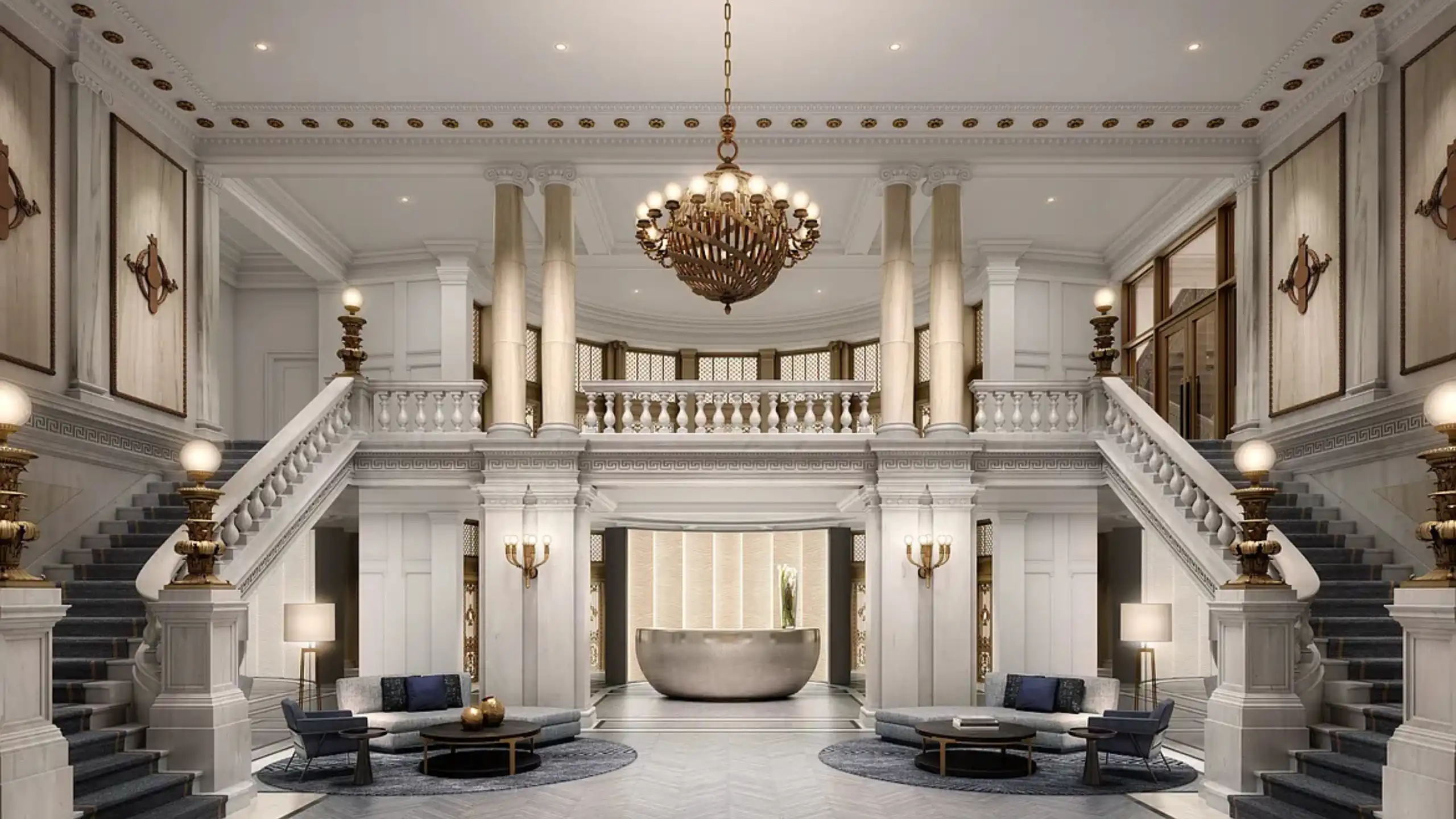
Tribeca’s newer development story has not been about volume so much as impact. A handful of major projects have helped reshape buyer expectations downtown.
111 Murray is one of the clearest examples: a roughly 800-foot glass tower with 157 residences, developed by Fisher Brothers, Witkoff, and New Valley, and positioned as a full-service modern condominium with expansive views.
30 Park Place, home to the Four Seasons Private Residences, brought a hotel-branded luxury model to the neighborhood at large scale, with 157 residences in a Robert A.M. Stern-designed tower and a highly serviced living experience.
108 Leonard is especially notable because it blends both sides of the Tribeca story: historic architecture by McKim, Mead & White paired with a major luxury residential conversion and more than 20,000 square feet of amenities.
70 Vestry helped define the waterfront end of the market, with 46 residences, unobstructed Hudson River views, and a more private, boutique take on full-service living.
450 Washington is a converted rental building on the water, just north of 70 Vestry. It is part of a five-block stretch of developments, which also include 70 and 67 Vestry, which account for the only waterfront luxury new developments in Tribeca. Developed by Related Companies on land owned by the Ponti family, 450 Washington represents a more accessible option to neighboring, ultra-luxury buildings at 70 and 67 Vestry.
91 Leonard is another good example of how newer Tribeca product has tried to borrow from loft language while still delivering modern systems and amenity value, with 111 residences in a completed condominium building.
Together, these projects have expanded what buyers mean when they say they want “Tribeca.” For some, that still means a converted loft with patina and history. For others, it now means a serviced condominium with light, views, and a far more turnkey lifestyle.
The Bottom Line
Tribeca offers something rare in New York: real variety within a single neighborhood. That is part of what makes it so appealing, and why the choice between classic and new deserves careful thought.
A historic loft often offers character, scale, and a stronger sense of place, with a bit more unpredictability. New development often offers ease, service, and modern livability, with less of the irregular charm that defines older downtown homes.
Neither is inherently better. The right choice depends on your priorities, your comfort with tradeoffs, and how you actually want to live.
Whether you are considering a classic loft or new development, Tribeca is a market where details matter. Our team works across both and can help you evaluate the tradeoffs, understand the market, and make a decision that feels right for you. If you are thinking about buying or selling in Tribeca, we’d love to be a resource. Reach out at hdomi@heatherdomi.com or call (917) 267-8012.
Social Cookies
Social Cookies are used to enable you to share pages and content you find interesting throughout the website through third-party social networking or other websites (including, potentially for advertising purposes related to social networking).