On the evening of March 20, a group of neighbors walked into a meeting on the 22nd floor of 1 Centre Street with photographs of a building that had sunk half an inch.
By the end of the night, they had convinced Community Board 1 to halt a hotel expansion on Warren Street.
Most Tribeca residents have no idea that meeting happened. Most don’t know it happens every week, on different topics, with different stakes, almost always with empty seats in the room.
This is the part of Tribeca life that doesn’t make it into the Instagram reels. It’s also the part that quietly decides what your block will look like in five years.
I’ve lived in Tribeca for nearly twenty years, and one of the things I’ve come to believe is that this neighborhood is the way it is because people show up for it. Not just by living here. By giving time, attention, money, and sometimes a Wednesday evening to a meeting nobody else wanted to attend. The parks didn’t build themselves. The historic districts didn’t designate themselves. The new businesses on your block didn’t open without someone in the system reviewing their application. Tribeca is, in a real sense, the cumulative result of residents deciding to participate.
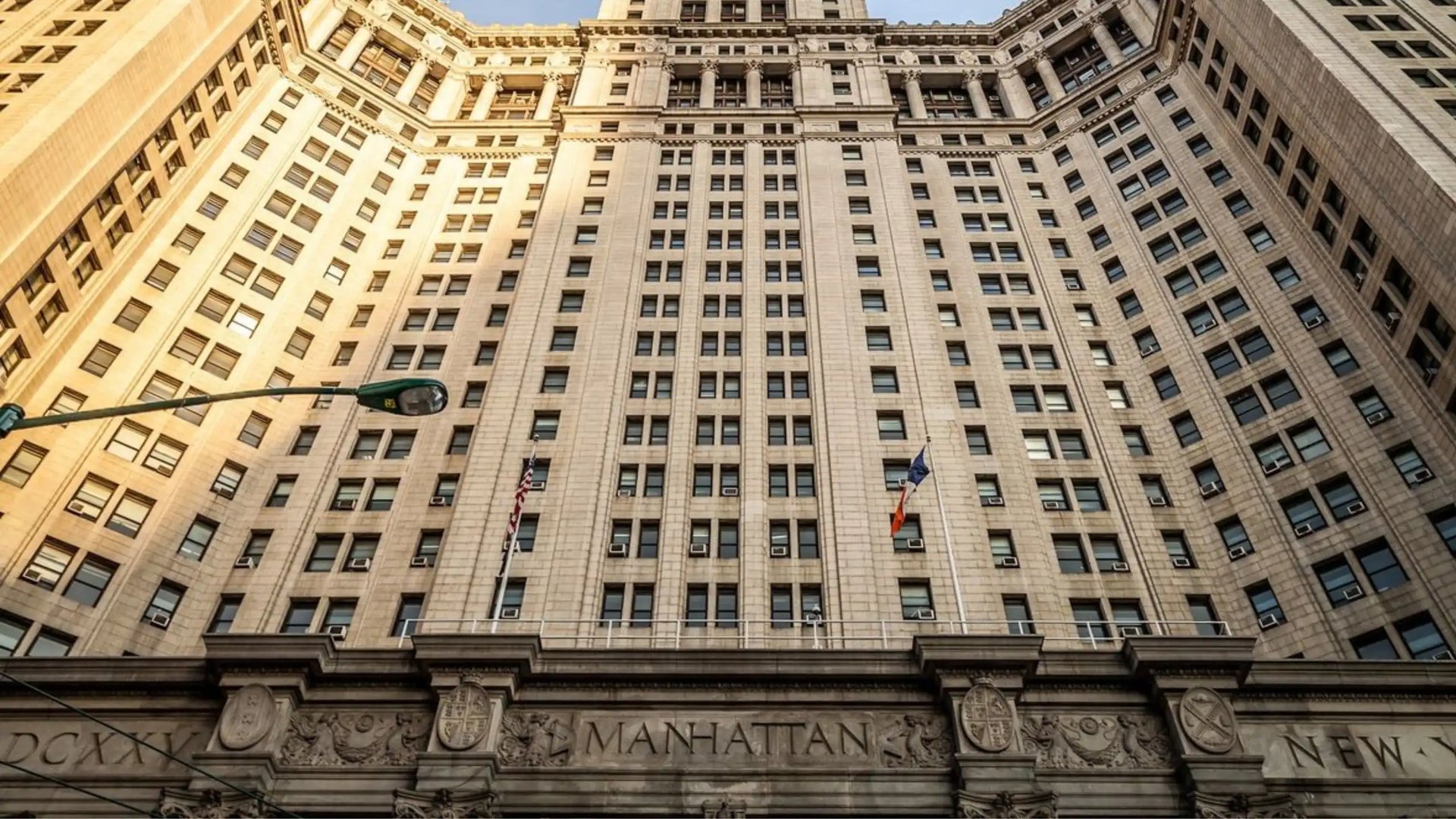
1 Centre Street, Meeting Place of Community Board 1. Not as intimidating as it looks.
Community Board 1 is one of the most direct ways that participation happens. It’s the body most tied to neighborhood-level decisions in lower Manhattan, covering Tribeca, the Financial District, Battery Park City, the Seaport, and Civic Center. Its members are appointed by the Manhattan Borough President and the local City Council member. The board’s role is technically advisory, but its recommendations carry real weight with city agencies and elected officials, especially on land use, liquor licenses, and street-level changes. A CB1 resolution isn’t binding. It’s also not nothing. It’s the closest thing this neighborhood has to a unified voice in the formal process.
The actual work happens in committees. Land Use is where development projects and zoning questions get reviewed. Licensing and Permits is where every new restaurant and bar application is heard. Landmarks is where exterior changes inside our historic districts get evaluated. Transportation handles street design and pedestrian safety. Each committee meets monthly. Each one is open to the public.
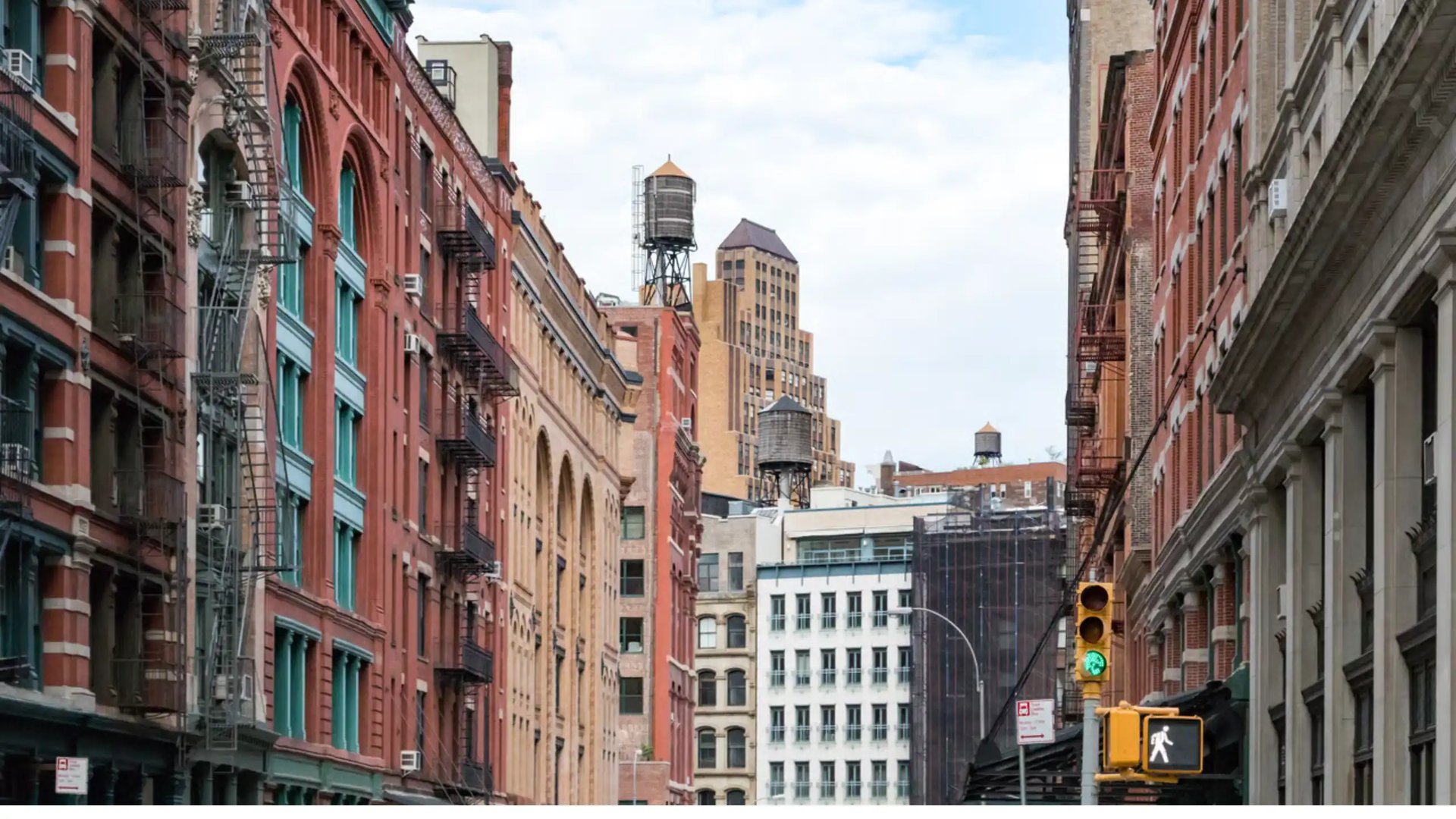
Classic Tribeca View
Here’s why this matters for anyone reading this.
When I wrote last month about the new businesses coming to Tribeca, EVENTO at the Bogardus Mansion, Anotheroom returning to Washington Street, Carnegie Diner on Chambers, those weren’t just announcements. They were applications. Every one of them appeared on CB1’s Licensing and Permits Committee agenda this April. The new restaurant on your block didn’t just appear. Someone applied, the committee reviewed, the neighbors had the option to comment, and a resolution was issued. Same with the construction scaffolding. Same with the storefront that finally got approval to expand its sidewalk seating.
The residents of 80 Warren Street, the building next door to the hotel, understood this. They didn’t just complain. They came to the meeting with photographs, repair invoices, and specifics. They named the damages. And a committee that could have waved through a standard variance request paused, listened, and voted accordingly.
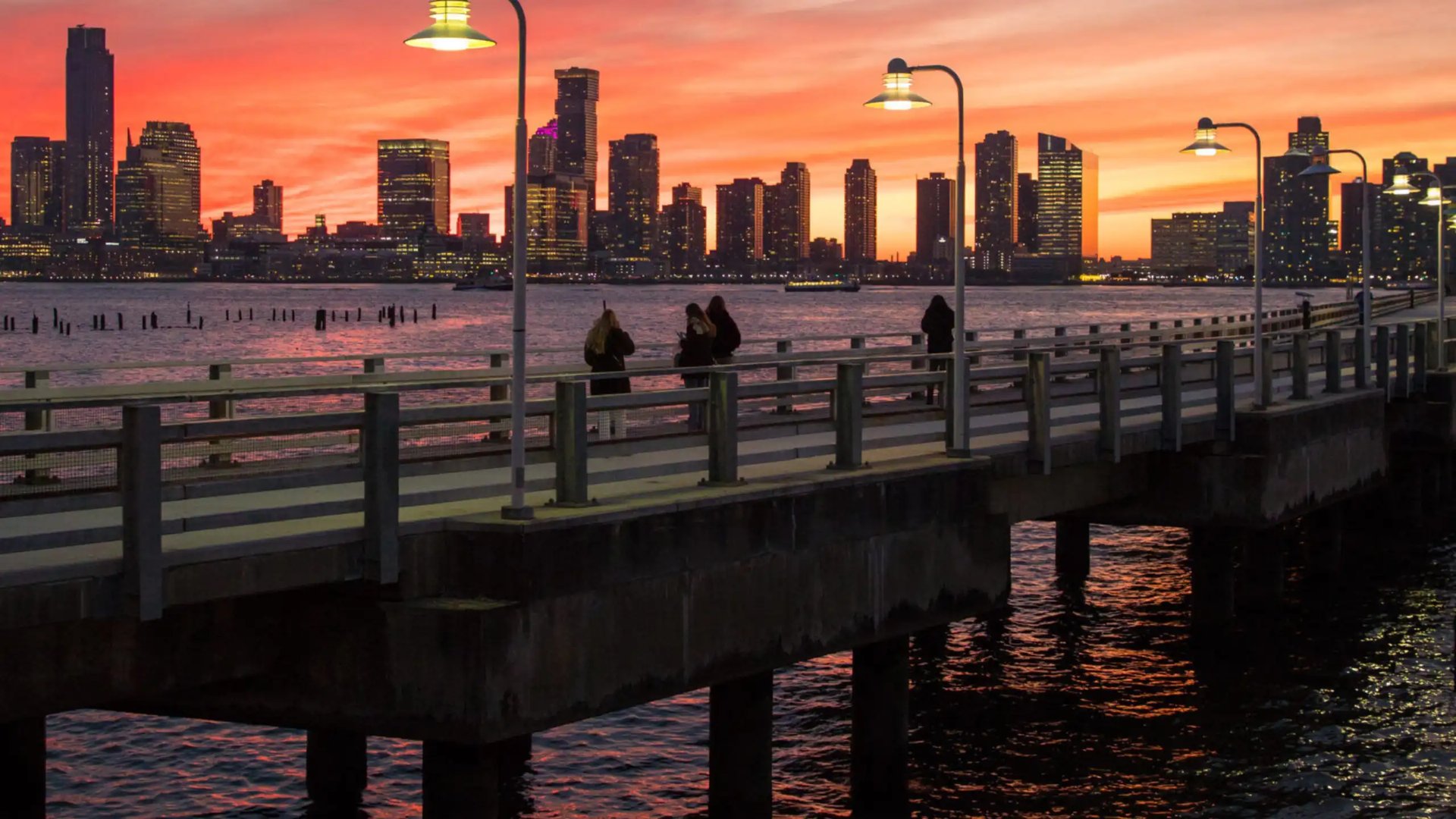
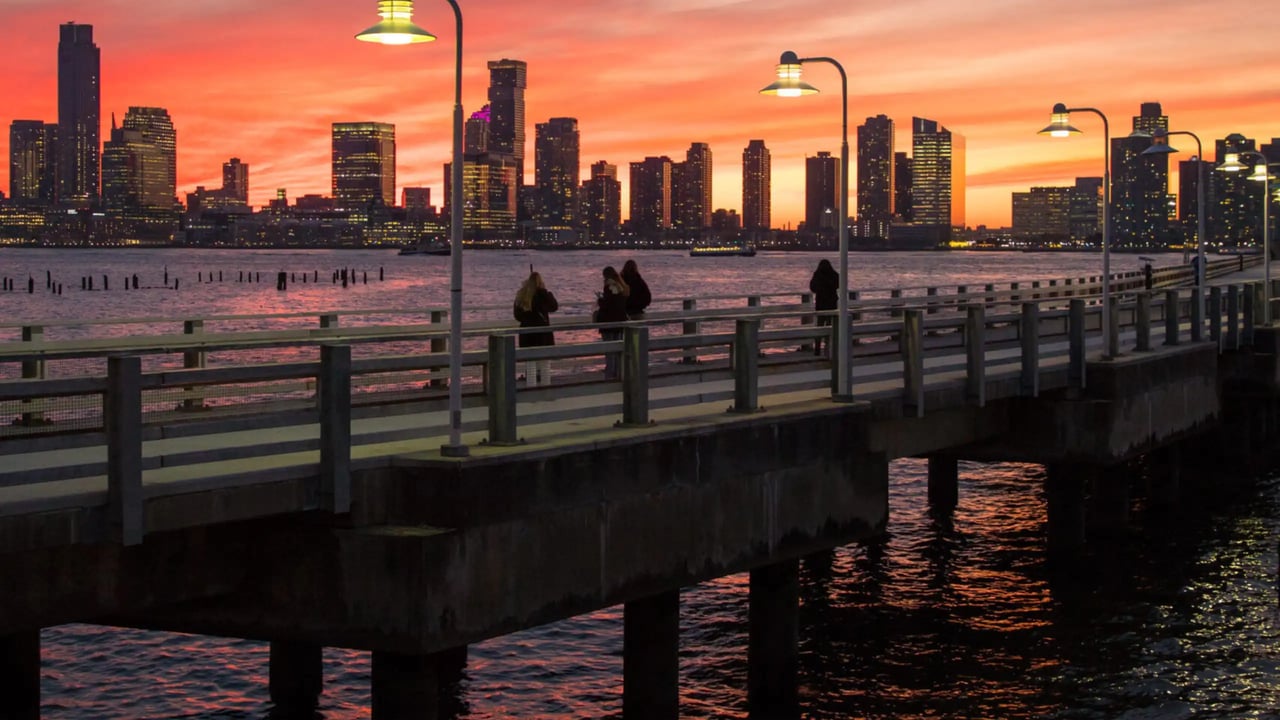
Hudson River Park at Sunset
CB1 is one entry point, but it’s not the only one. I walk Hudson River Park most sunny days with my dogs, and earlier this year I attended the Hudson River Park Gala, to do my part in supporting this extraordinary, privately funded space, sustained not by city taxes but by the generosity and engagement of the community in the form of the Hudson River Park Friends.
That kind of care, scaled across the neighborhood, is everywhere if you start looking for it. The block associations that quietly keep things running. The Tribeca Trust and its preservation advocacy. The parents organizing around our local schools. Being a citizen of this neighborhood, in the way the masthead of Tribeca Citizen suggests, means more than living within its boundaries. It means lending some part of yourself to the place. A meeting. A donation. A letter. A few hours on a Saturday.
The infrastructure for participation already exists. CB1 publishes its committee agendas online, usually a week or two in advance. Meetings are streamed live on Webex. Recordings get posted to the board’s YouTube page. None of this is hidden. It’s just under-used.
You don’t have to attend every meeting. But knowing the meetings exist, and knowing how to find the agenda when something on your block catches your attention, is the difference between living in Tribeca and being a citizen of it.
If you ever want help finding the next agenda, tracking a project on your block, or getting connected to any of the civic groups doing good work in this neighborhood, reach out at [email protected] or give me a call at (917) 267-8012.