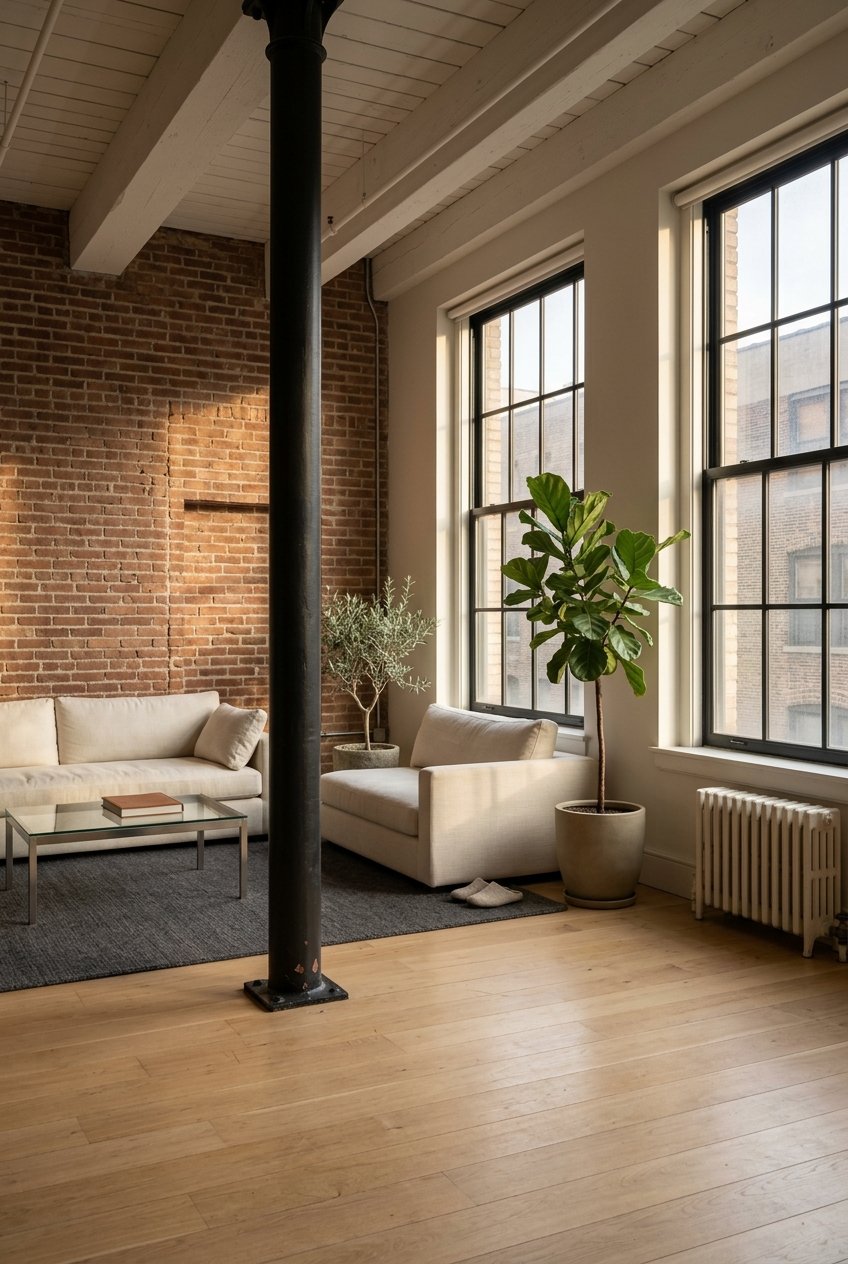
If you are drawn to a SoHo loft, you are probably not looking for a generic apartment. You want volume, character, and a home that feels tied to New York in a way newer buildings often do not. What many buyers learn later, though, is that SoHo loft living comes with tradeoffs that matter just as much as the charm. This guide will help you understand what to expect before you buy, from building systems and street noise to legal structure and renovation limits. Let’s dive in.
SoHo lofts are not standard apartments
A true SoHo loft usually sits inside a building with a very specific history. Many began as store-and-loft buildings used by wholesale dry-goods merchants, factories, warehouses, and other commercial users, which helps explain the large windows, open spans, and gallery-like layouts buyers love today.
That same history also explains why SoHo inventory often feels less standardized than newer condo stock. Two lofts can look similar online and still live very differently in person because ceiling height, column placement, window lines, elevator access, and underlying building condition can vary from one property to the next.
Historic status shapes ownership
SoHo’s residential core is part of a protected cast-iron and loft district, not a blank-slate neighborhood built for modern residential use. The original SoHo-Cast Iron Historic District was designated in 1973, includes about 500 buildings, and its 2010 extension added about 135 more.
NYC Planning says nearly 85% of the SoHo/NoHo rezoning study area is and will continue to be protected by historic districts. The city’s neighborhood plan was adopted on December 15, 2021, and while zoning was modernized, the historic core remains heavily protected.
For you as a buyer, that usually means the exterior of the building is far less flexible than it would be in a typical condo. According to the Landmarks Preservation Commission, alterations, reconstruction, demolition, or new construction affecting a designated building require agency approval in advance, while ordinary repairs and most interior alterations are generally exempt.
What that means for renovations
If you love the idea of customizing a loft, the good news is that interiors may still offer meaningful flexibility within the building’s rules. Open layouts are one reason buyers continue to pursue SoHo lofts.
The caution is that windows, façades, and other visible exterior elements are not simply owner preference decisions. If your future plans involve changing the envelope, reworking historic windows, or making visible exterior updates, you need to understand that review and approval can be part of the process.
Space is the main draw
The best SoHo lofts offer something hard to replicate elsewhere in Manhattan. You may find broad window walls, expansive rooms, tall ceilings, and a sense of openness that feels more like a studio or gallery than a conventional apartment.
That flexibility is a major reason design-aware buyers are willing to accept some inconvenience. A loft can offer room to live, work, entertain, and display art in a way that many more compartmentalized homes cannot.
Still, open space does not automatically mean easy living. Loft layouts may require more thought around privacy, storage, acoustic separation, and how daily life actually functions within a large open plan.
Building systems matter more than finishes
One of the biggest mistakes buyers make in SoHo is focusing on the aesthetic and underweighting the building itself. In older loft buildings, the infrastructure can affect your ownership experience just as much as the apartment’s design.
The New York State Attorney General advises buyers to inspect the façade, roof, flooring, appliances, sub-soil conditions, elevators, HVAC, windows, electrical wiring, and plumbing. In existing conversions, visible defects may be disclosed rather than fixed, which makes your review process especially important.
Roof and elevator repairs are among the most expensive issues in older buildings, according to the Attorney General. In practical terms, that means one SoHo loft building may feel beautifully updated and well run, while another may still carry the friction of aging systems and costly future work.
Elevators, plumbing, and wiring can vary widely
In SoHo, “loft building” is not a quality standard. Some buildings have upgraded elevators, modernized systems, and strong maintenance histories. Others may still reflect older loft stock, even if a renovated unit looks polished at first glance.
That is why board minutes, financial reports, and offering-plan materials deserve the same attention as the kitchen and baths. They can reveal repair history, deferred maintenance, and upcoming capital needs that may shape your costs after closing.
Street life is part of the deal
SoHo is one of Manhattan’s most active mixed-use neighborhoods, and that energy is not just background scenery. SoHo Broadway describes the larger mixed-use neighborhood as home to about 25,000 residents, with 111,183 daily subway riders to the district.
The district also reports that foot traffic rose above pre-pandemic levels by the summer of 2023. Its event guidance specifically references narrow sidewalks, heavy foot traffic, and the need to keep sidewalks passable for residents, guests, and employees.
That matters because when you buy in SoHo, you are not buying quiet first. You are buying into a neighborhood where retail, visitors, deliveries, and pedestrian movement shape the daily experience.
Block-by-block feel is real
Broadway and the busiest retail corridors tend to feel the most intense during the day. Lines, deliveries, shoppers, and constant sidewalk movement are part of the environment.
Side streets are often calmer, but they are still connected to a neighborhood with strong commercial energy and tourism. If your priority is a residential retreat, you need to think carefully about frontage, floor height, and exactly where the building sits.
Legal status can differ from building to building
Another reality many buyers do not expect is that SoHo is not one simple residential category. NYC Planning says current residents largely fall into three broad groups: artist-certified Joint Live-Work Quarters for Artists units, loft buildings governed by the State Loft Law, including interim multiple dwellings and fully legalized former interim multiple dwellings, and converted or newly built market-rate residential units approved by special permit or variance.
That means two apartments that appear similar during a showing may sit under very different legal frameworks. You should never assume the ownership, occupancy, or approval structure based on appearance alone.
Co-op or condo is not a small detail
SoHo is also not a single ownership-model market. Official Manhattan rolling sales data include SoHo entries labeled both condo store buildings and co-op elevator apartments.
For you, that means the purchase process, building review, approval path, and future resale considerations can differ materially from one property to another. Verifying whether a specific building is a condo, co-op, or another structure should be one of the earliest parts of your diligence.
Due diligence is where smart buyers win
The New York State Attorney General advises buyers to read the entire offering plan and consult an attorney before signing a purchase agreement. In SoHo, that guidance matters even more because defects in existing buildings may be disclosed rather than corrected before sale.
A disciplined review should include the apartment, the building, and the legal framework around both. In many SoHo transactions, the paperwork tells you as much as the showing does.
Here are a few areas worth close attention:
- Building financial reports
- Board minutes, if applicable
- Offering plan and amendments
- Repair history for roof, façade, plumbing, wiring, and elevators
- Any known upcoming capital projects
- The building’s ownership and approval structure
- Rules that affect renovations or alterations
The neighborhood will likely stay recognizably SoHo
Some buyers worry that neighborhood change will erase what makes SoHo feel distinct. The 2021 SoHo/NoHo neighborhood plan modernized zoning, but the city says it does not allow tall towers and that historic districts continue to protect most of the study area.
That suggests the core scale and visual identity of SoHo are likely to remain comparatively stable, even as the broader neighborhood continues to evolve. For buyers who value architectural continuity, that is an important part of the appeal.
The real tradeoff of SoHo loft living
SoHo loft living works best when your expectations are precise. You may get landmark architecture, rare interior volume, and immediate access to one of Manhattan’s most active street environments.
In exchange, you should expect more building-specific complexity, more variation in systems and convenience, and a higher need for careful diligence than you would have in a newer amenity-focused property. For many buyers, that tradeoff is absolutely worth it. The key is knowing you are buying a very particular kind of Manhattan home, not a plug-and-play apartment.
If you are weighing a SoHo loft purchase, the right guidance can help you separate timeless value from expensive surprises. The Heather Domi Team brings candid, strategic advice to complex Manhattan purchases, including nuanced co-op, condo, and loft transactions.
FAQs
What makes a SoHo loft different from a newer Manhattan condo?
- A SoHo loft often offers larger open interiors and historic character, but it may also come with older building systems, more legal complexity, and less standardized day-to-day convenience than a newer condo.
How does historic district status affect a SoHo loft purchase?
- In SoHo’s landmarked areas, exterior changes such as work affecting the façade, windows, or visible building envelope may require advance approval, even though many interior alterations are generally exempt.
How noisy is daily life in a SoHo loft?
- Noise and street activity depend on the block, but SoHo is a highly active mixed-use neighborhood, especially along major retail corridors like Broadway, where foot traffic, deliveries, and pedestrian flow are part of daily life.
Why is due diligence so important when buying a SoHo loft?
- Due diligence matters because two similar-looking lofts may have very different legal structures, repair histories, financial conditions, and future capital needs, especially in older buildings.
Are all SoHo loft buildings condos?
- No. SoHo includes condos, co-ops, and other residential structures, so you should confirm the ownership model and approval process for each specific building before making assumptions.