Explore New York with our exclusive neighborhood guides
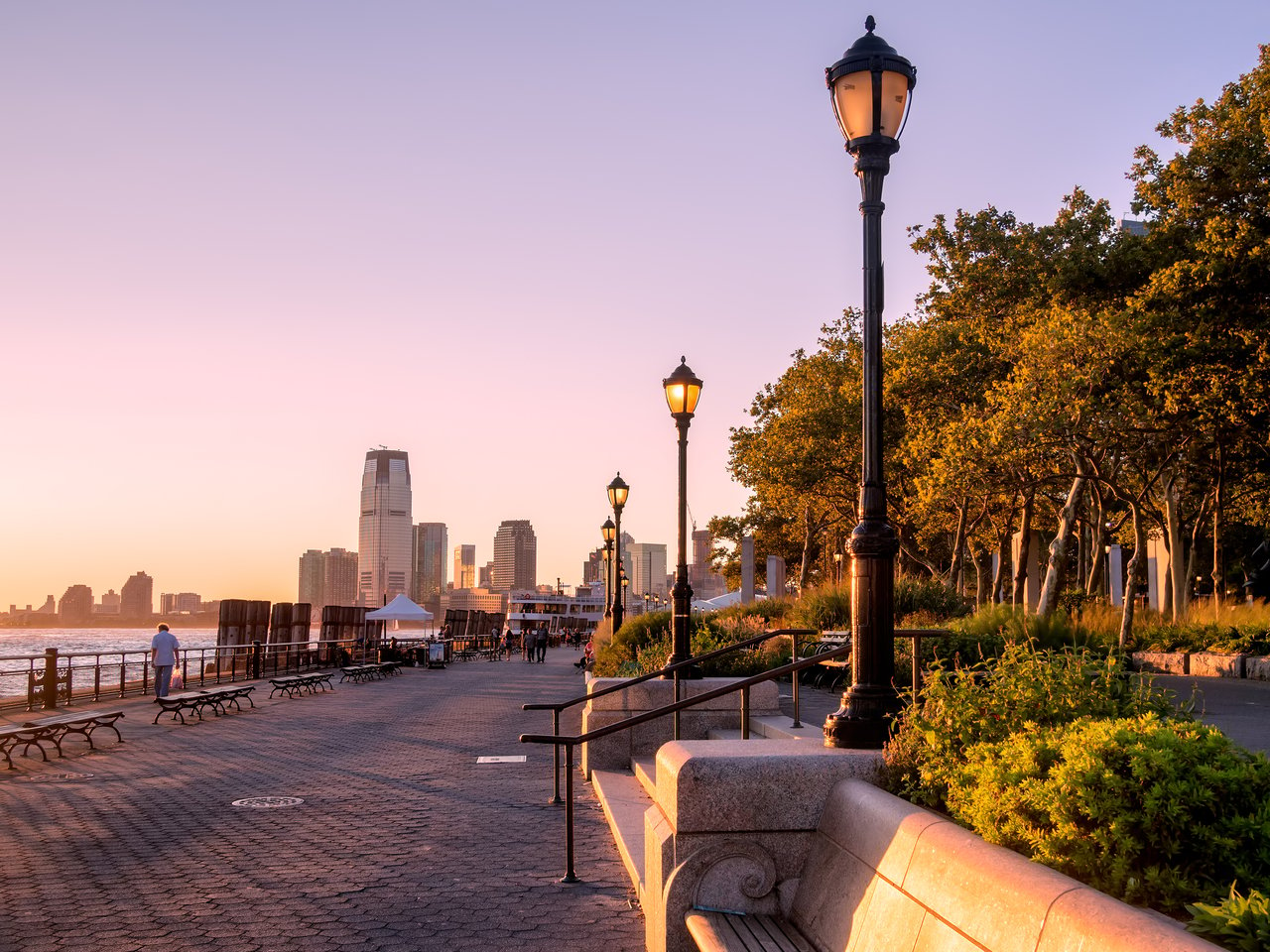
Battery Park City
Ninety-two acres of master-planned waterfront on the southwestern tip of Manhattan, built on landfill from the 1980s forward. Residential towers, a continuous Hudson River esplanade, and more open green space per resident than anywhere else downtown.
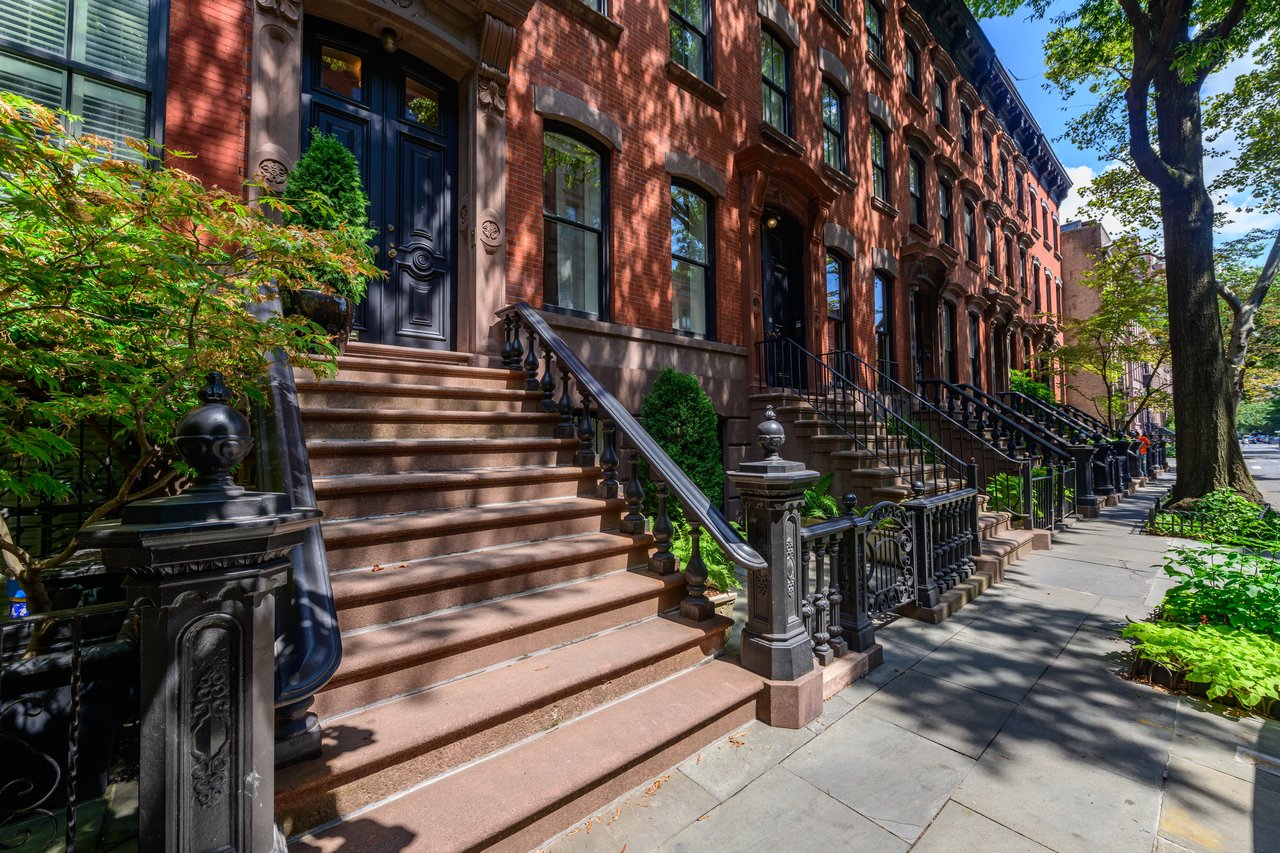
Carnegie Hill
One of Manhattan's most established residential neighborhoods, where Museum Mile, landmark architecture, and some of the city's finest prewar cooperatives create a distinctly residential Upper East Side experience.
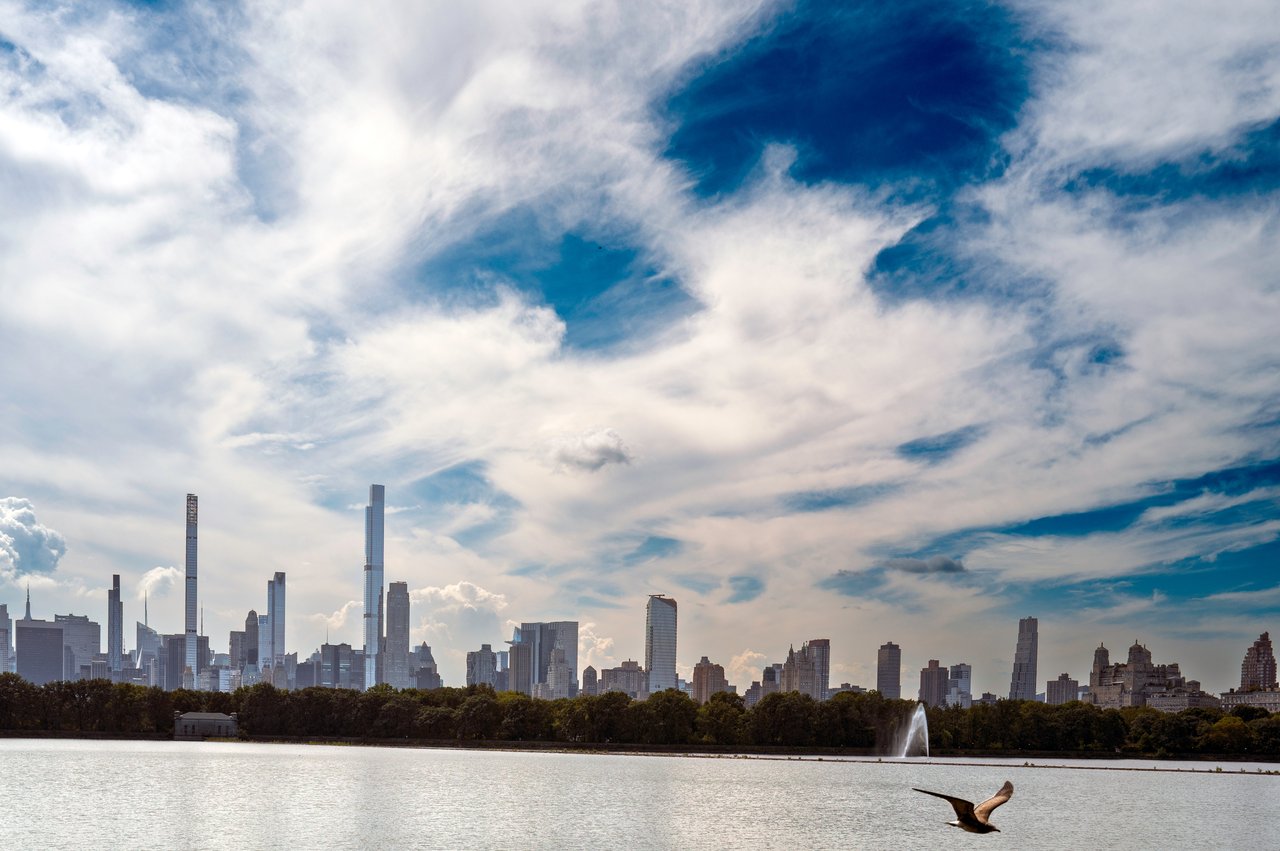
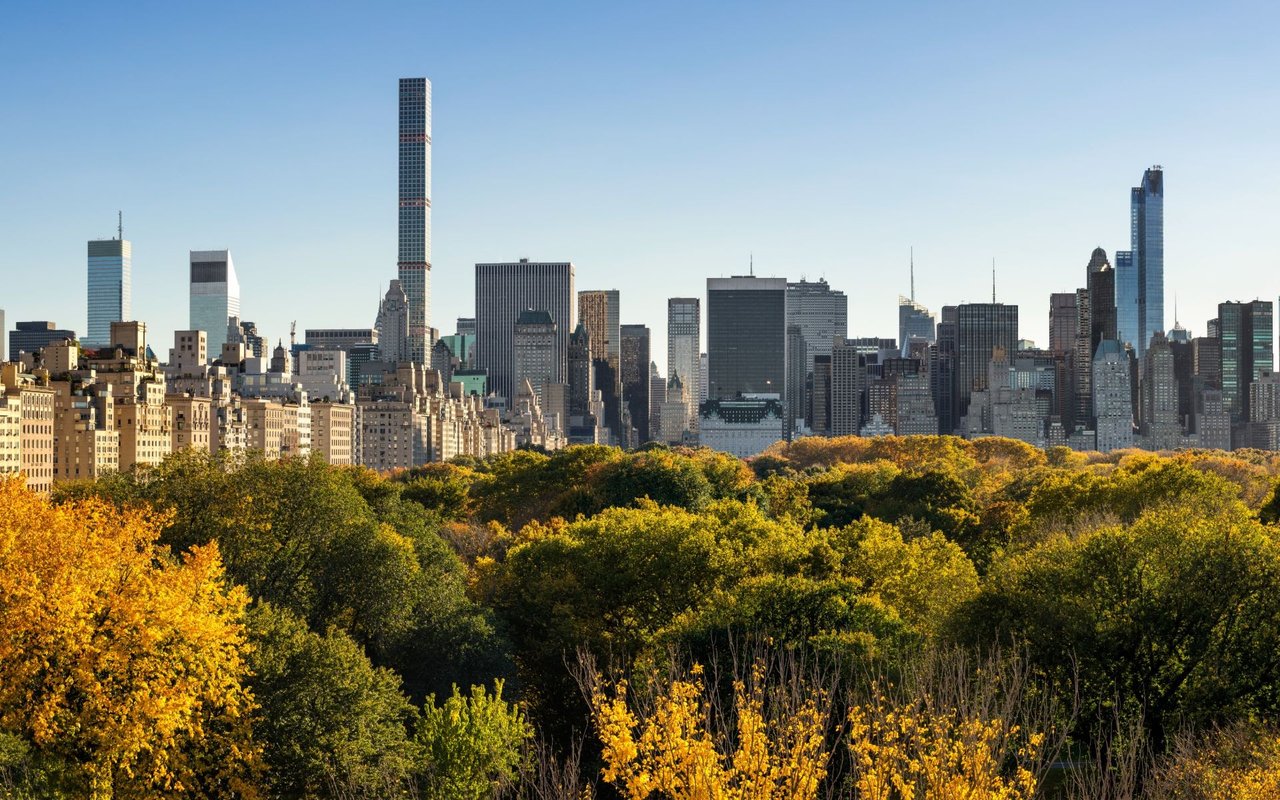
Central Park South
The stretch of Manhattan where the park meets the most concentrated trophy-residential market in the world. Supertall towers along 57th Street and a prewar landmark corridor on 59th, all facing Central Park.
Chelsea
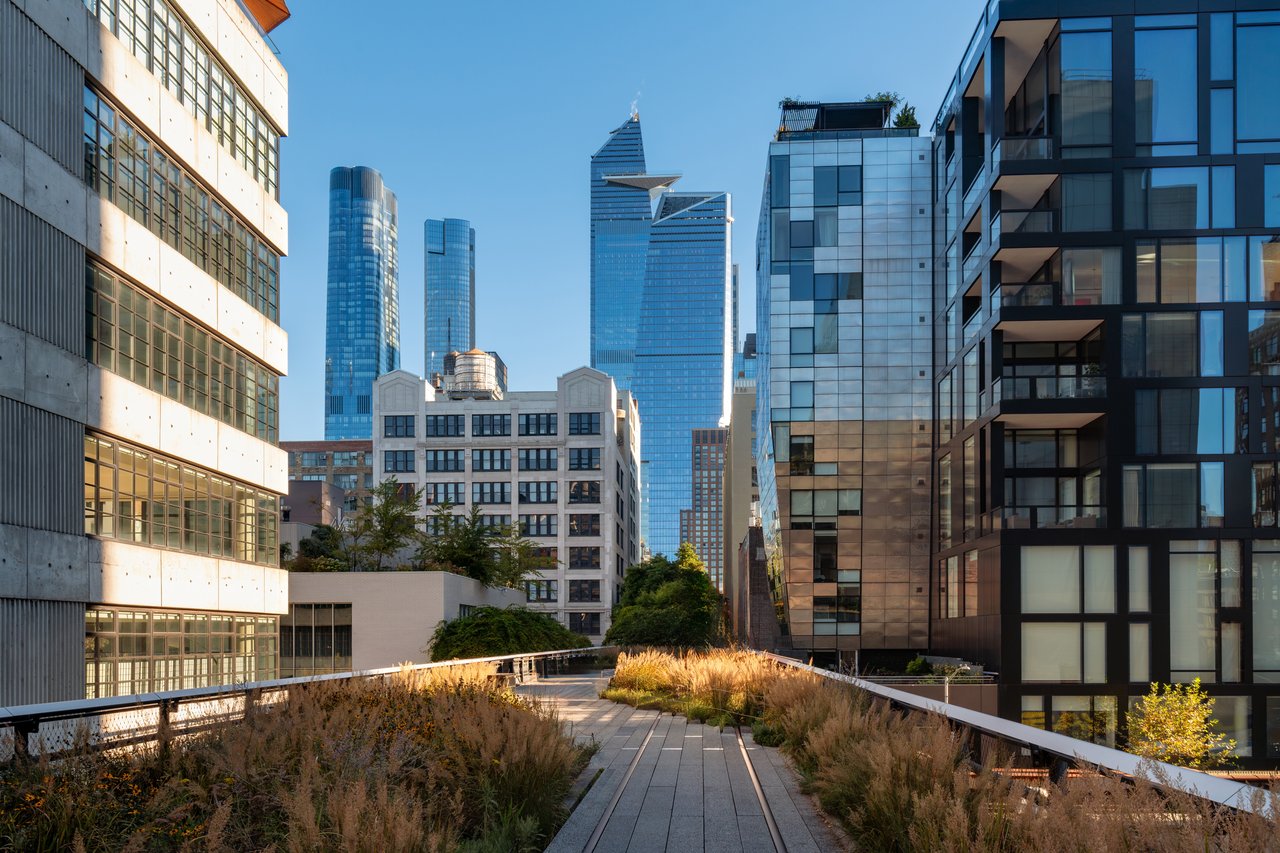
Architects you have heard of. A park in the sky. The widest mix of housing in Manhattan.
East Village
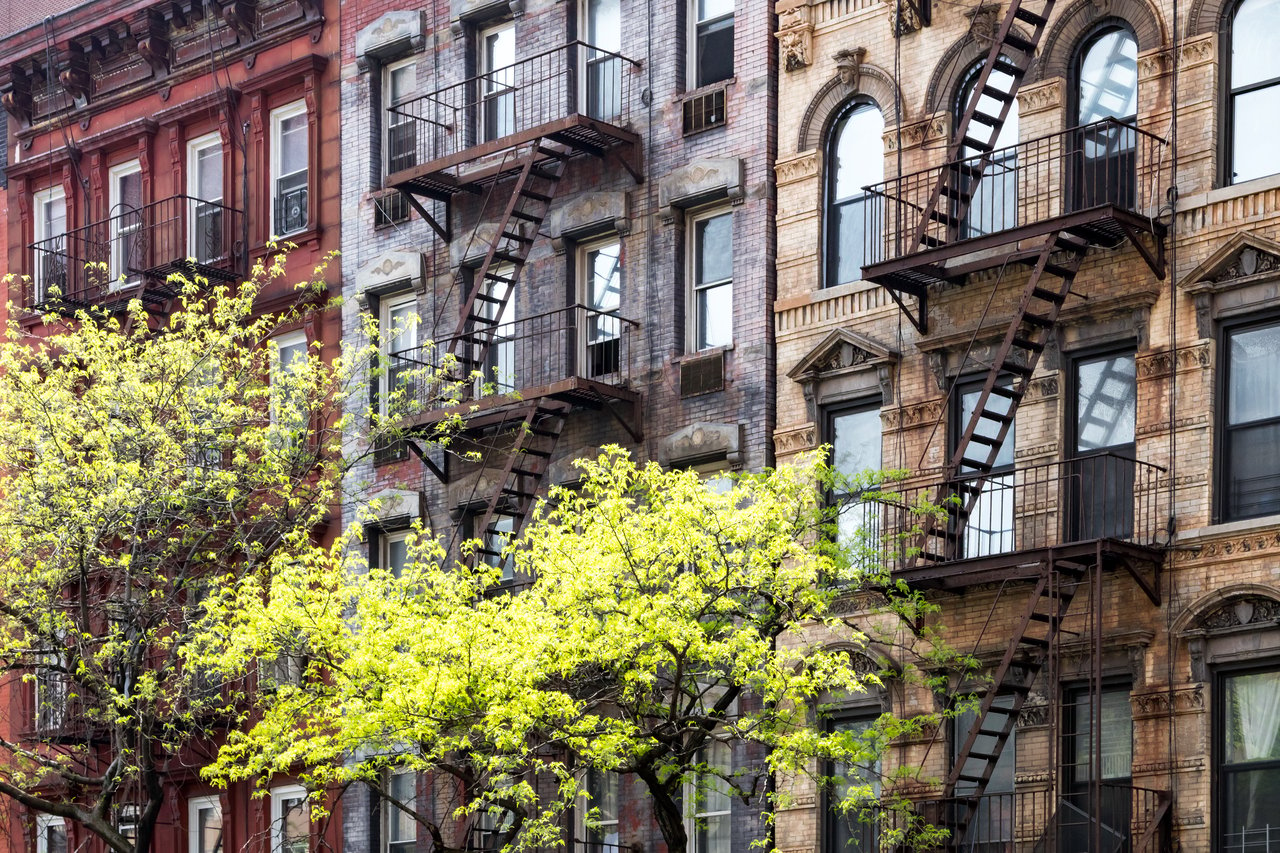
Tompkins Square Park at the center, Bowery to Avenue D across. Tenement architecture, deep cultural history, and one of the densest dining and music corridors in Manhattan.
Financial District
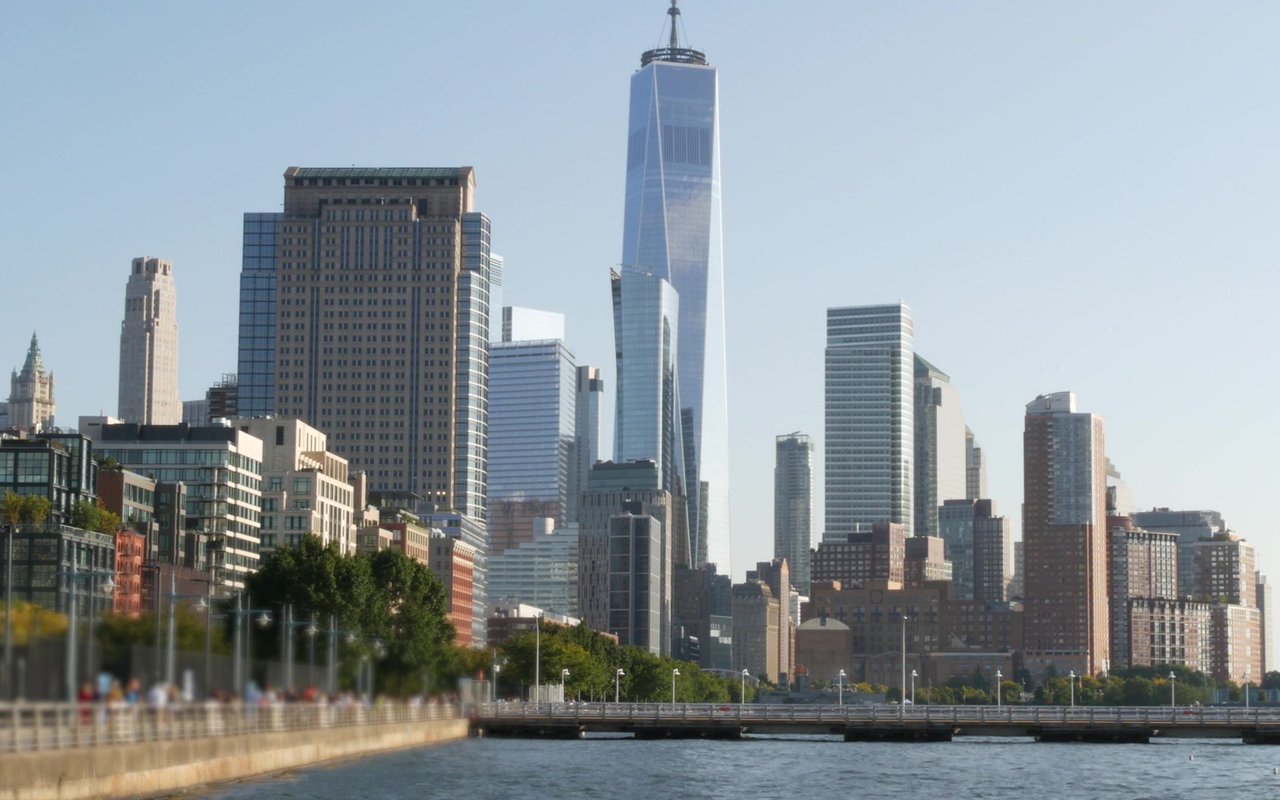
The most condo-dense neighborhood in Manhattan. A wave of office-to-residential conversions between 2009 and 2024 reshaped the inventory and turned FiDi into a downtown residential corridor.
Flatiron
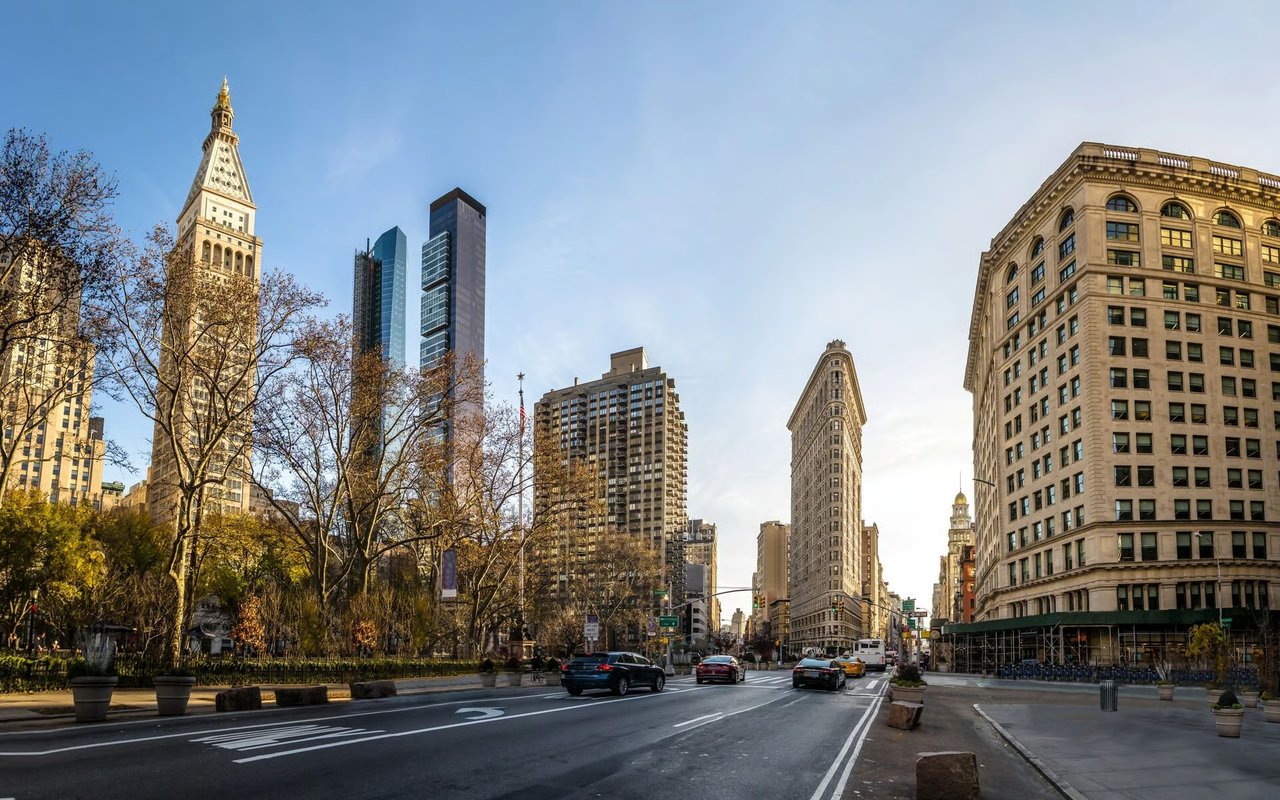
Madison Square Park anchors the neighborhood. The Flatiron Building gave it the name. A central Manhattan position with serious prewar charm.
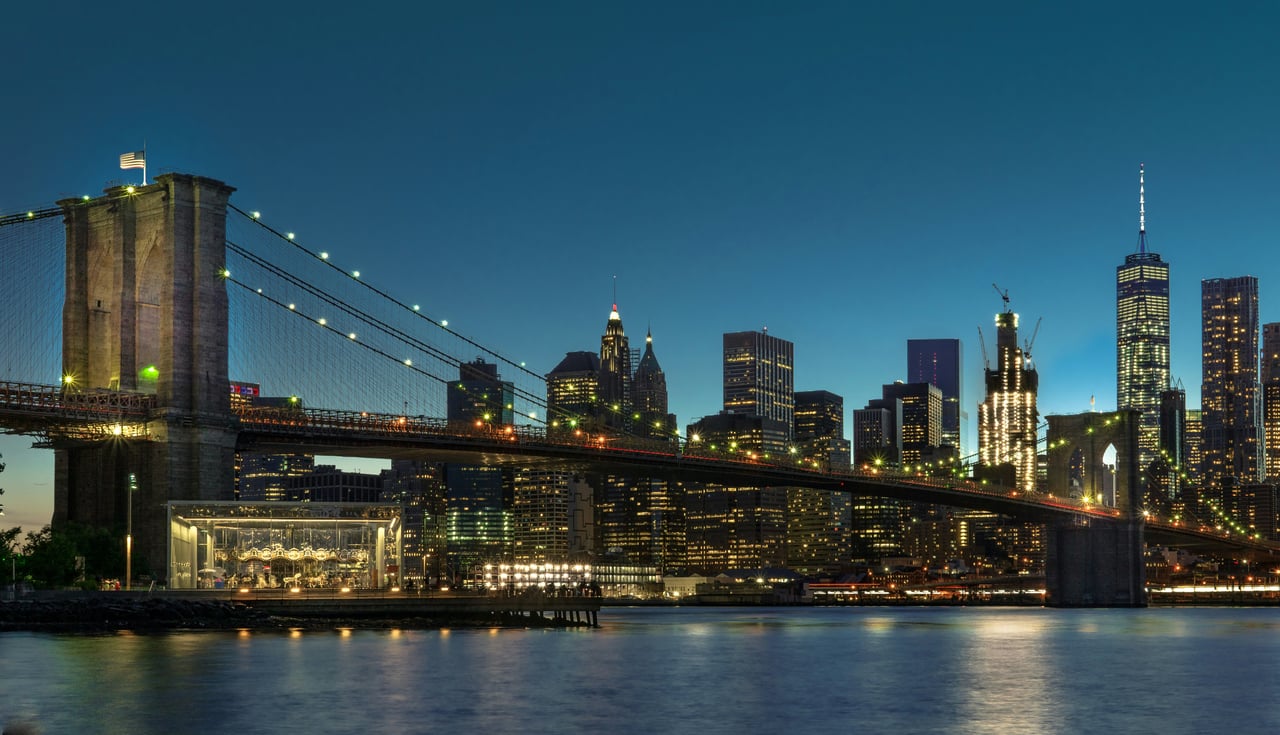
Fulton Seaport
A historic waterfront neighborhood where New York's original commercial district meets contemporary luxury living, combining restored maritime buildings, new residential towers, and some of Manhattan's most dramatic riverfront views.

Gramercy Park
A private park, deeded by Samuel Ruggles to the buildings that surround it. The only one in Manhattan. The reason Gramercy exists, and the reason it has not changed.
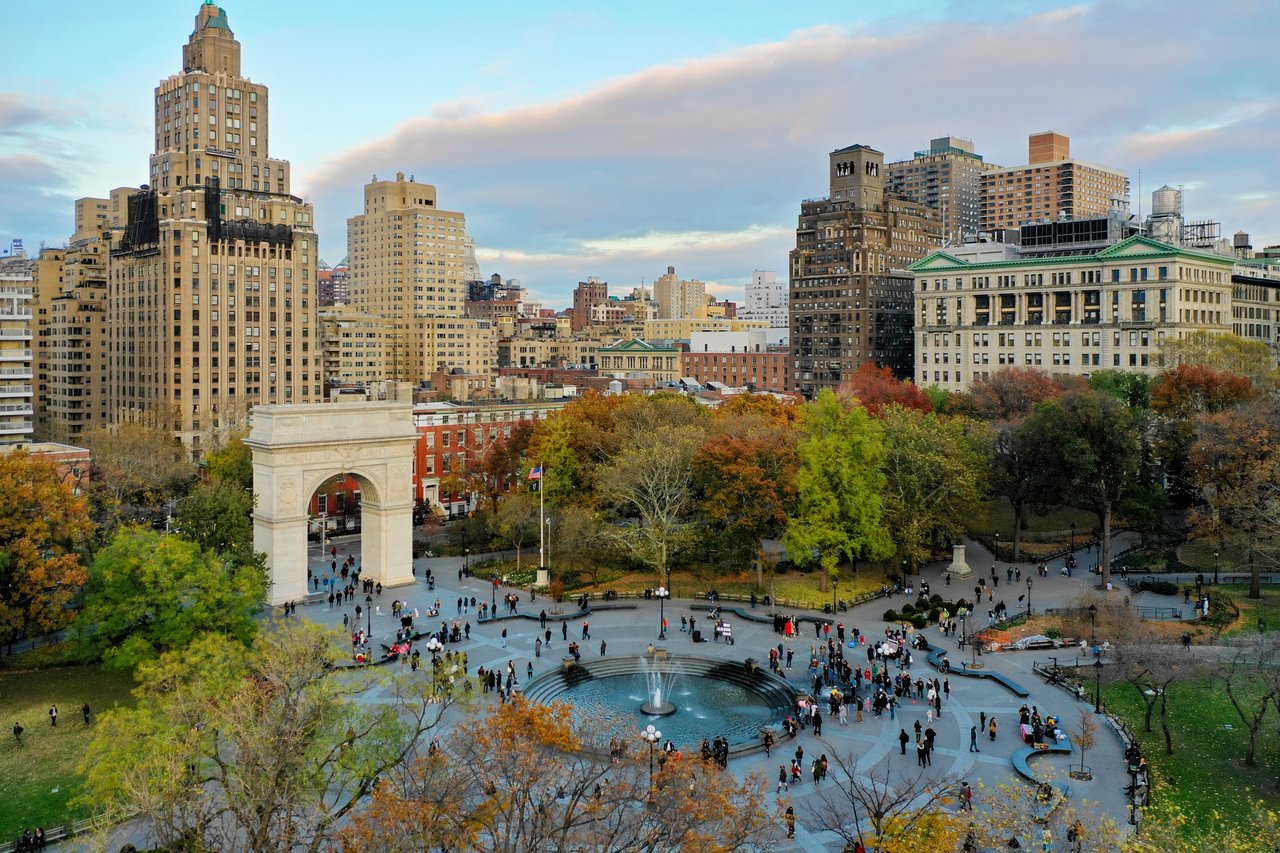
Greenwich Village
Washington Square Park at the center. Federal-era townhouses, brick brownstones, and prewar co-ops on the streets around it. Held in place by the Greenwich Village Historic District.
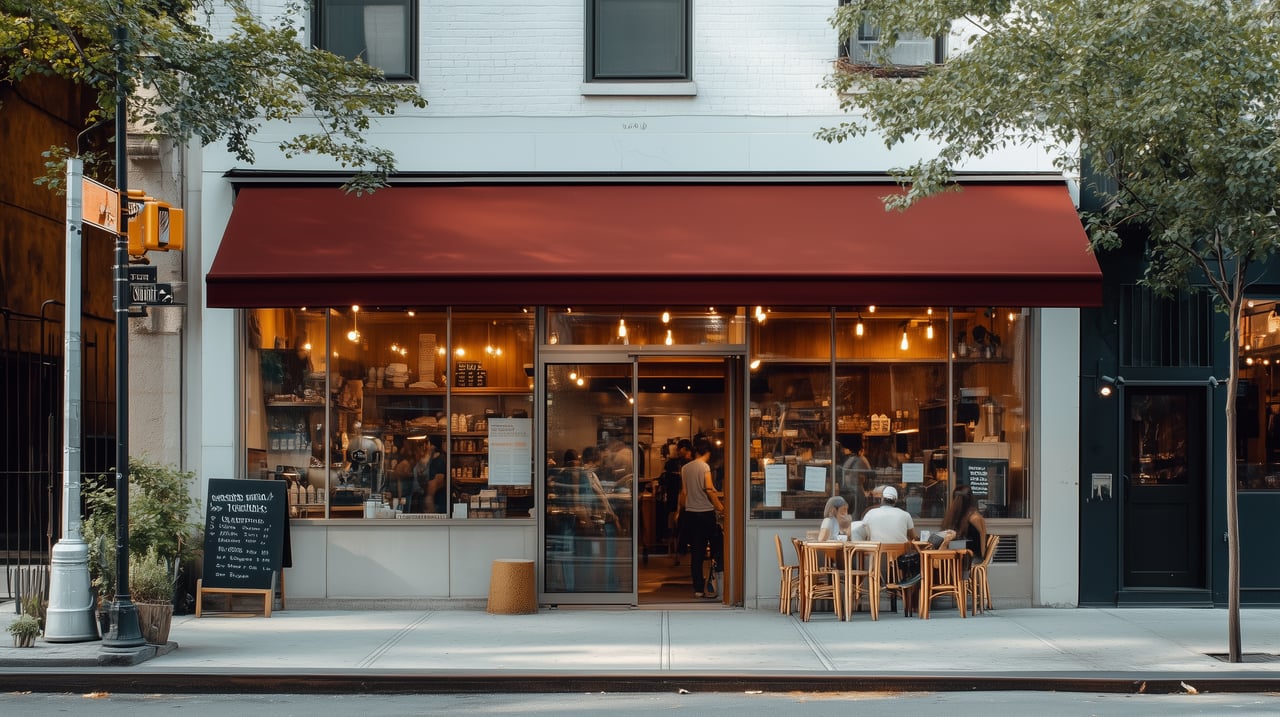
Hell's Kitchen
34th Street to 59th Street, from Eighth Avenue to the Hudson. One of the most transit-rich locations in Manhattan, and the neighborhood that sits directly adjacent to the Broadway theater district.
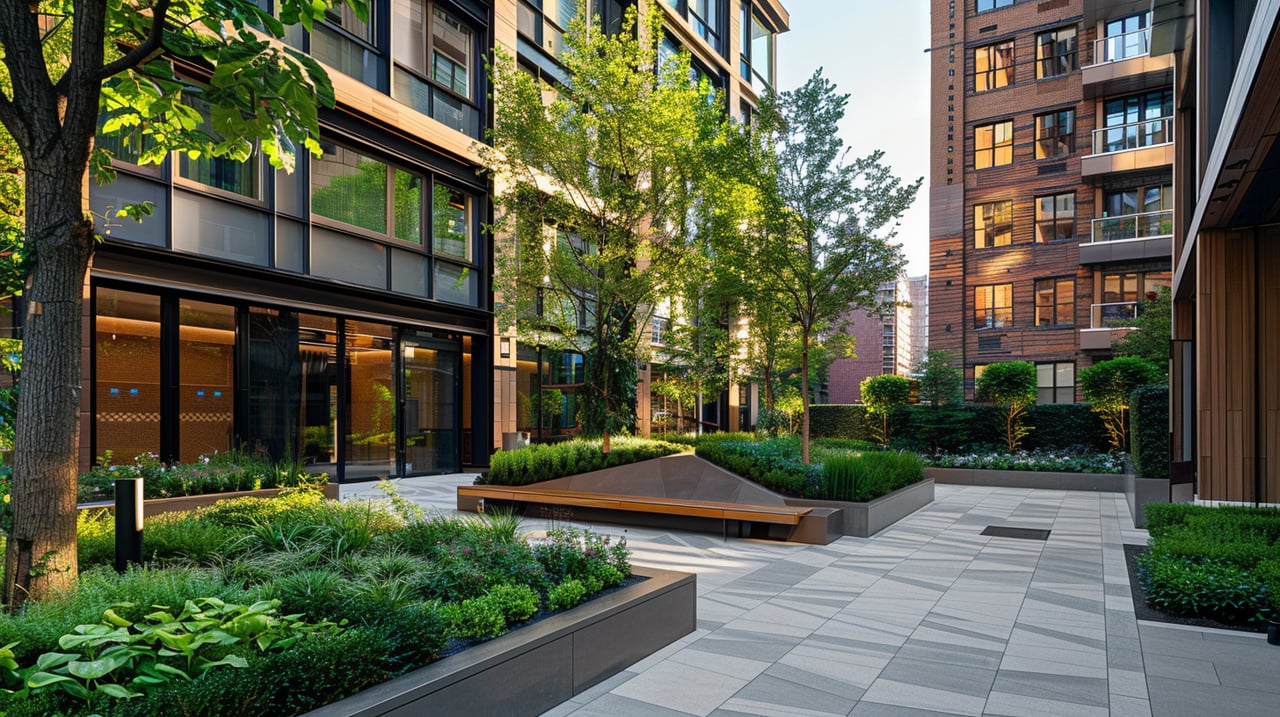
Hudson Square
Clarkson to Canal, Sixth Avenue to the Hudson. A former printing district, rezoned and rebranded over the last decade into one of the most active creative-industry corridors in Manhattan, with a residential market still taking shape around it.
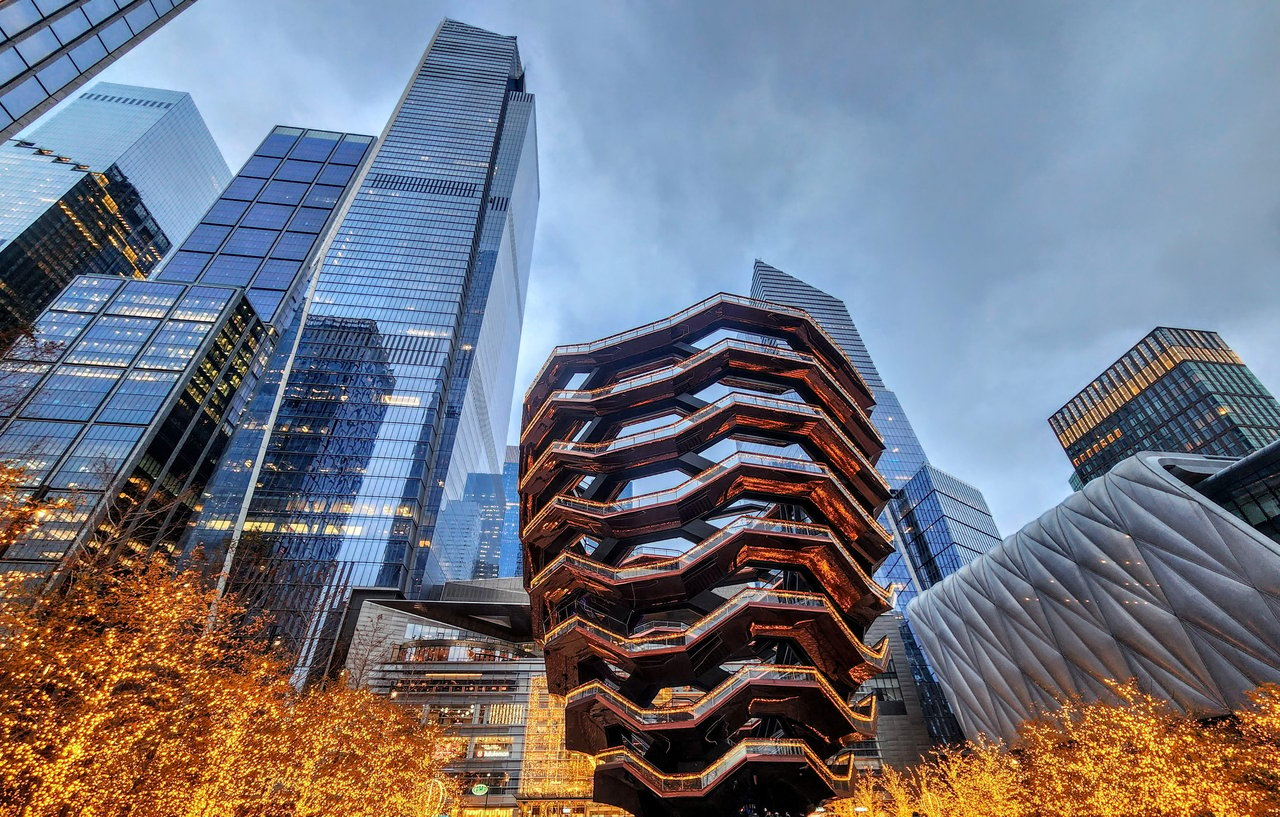
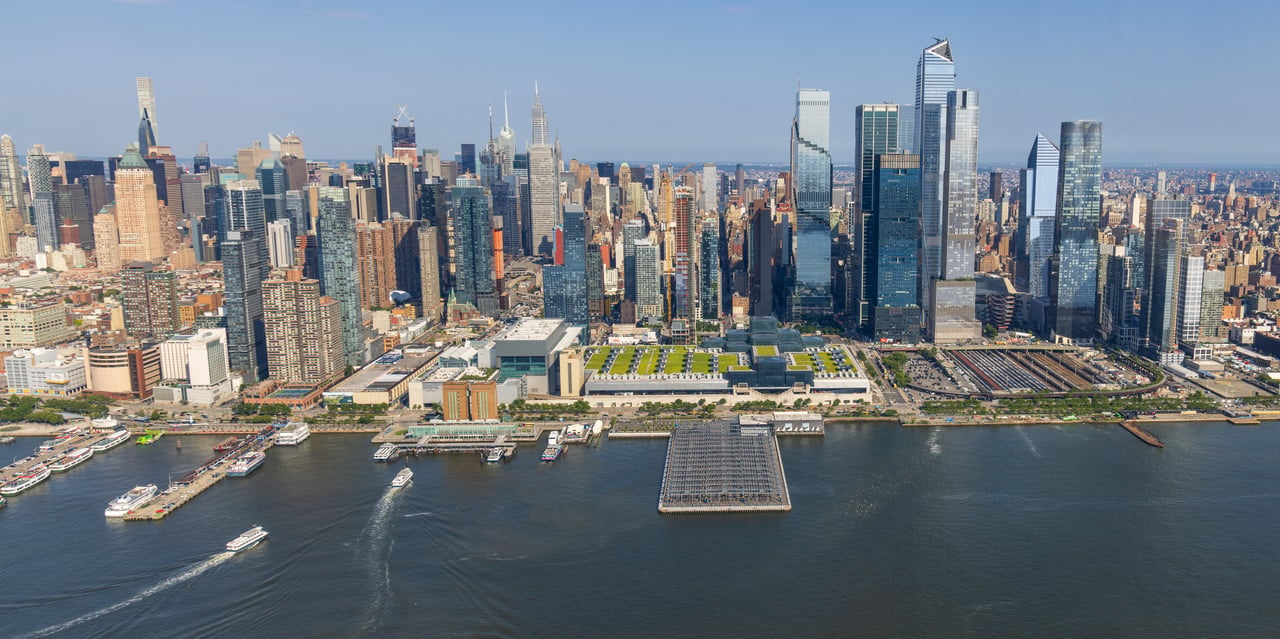
Hudson Yards
Built on a platform over the Long Island Rail Road tracks. Vertical, full-service, and engineered. A residential corridor designed all at once rather than built up over time.
Kips Bay
Lenox Hill
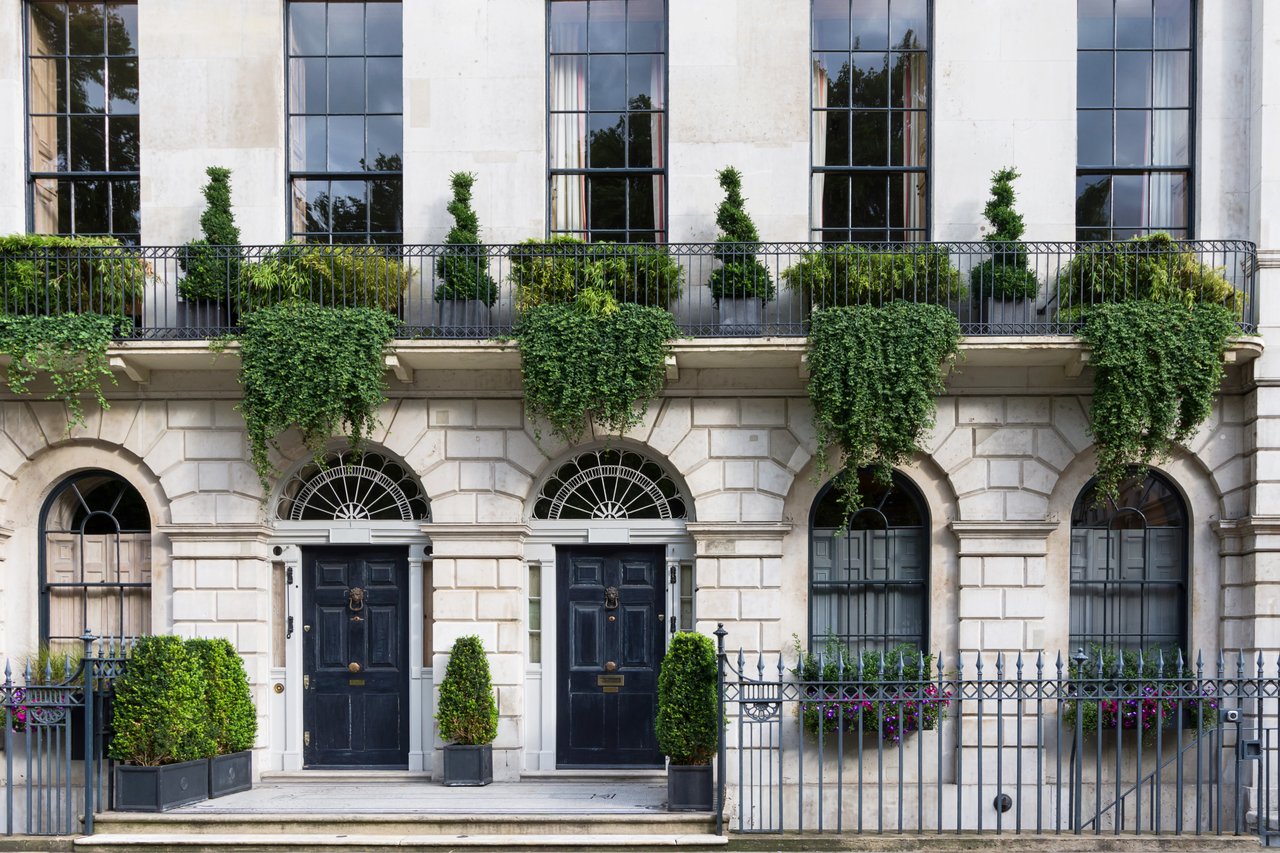
The heart of the Upper East Side, where Park and Madison Avenues, world-class shopping, distinguished prewar cooperatives, and luxury condominiums create one of Manhattan's most enduring residential markets.
Lincoln Square
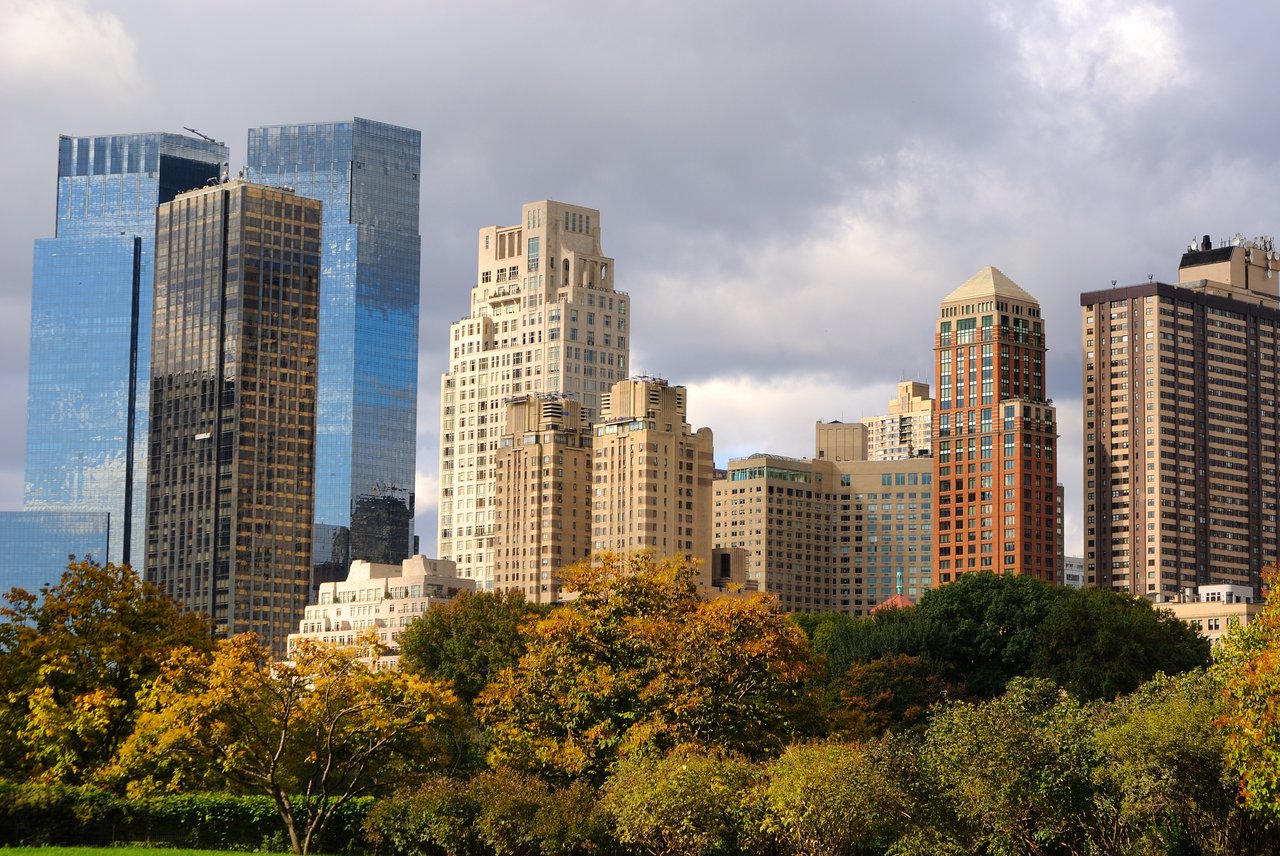
A sophisticated Upper West Side neighborhood where Lincoln Center, Central Park, and Riverside Park anchor one of Manhattan's strongest residential markets, balancing world-class culture with everyday livability.
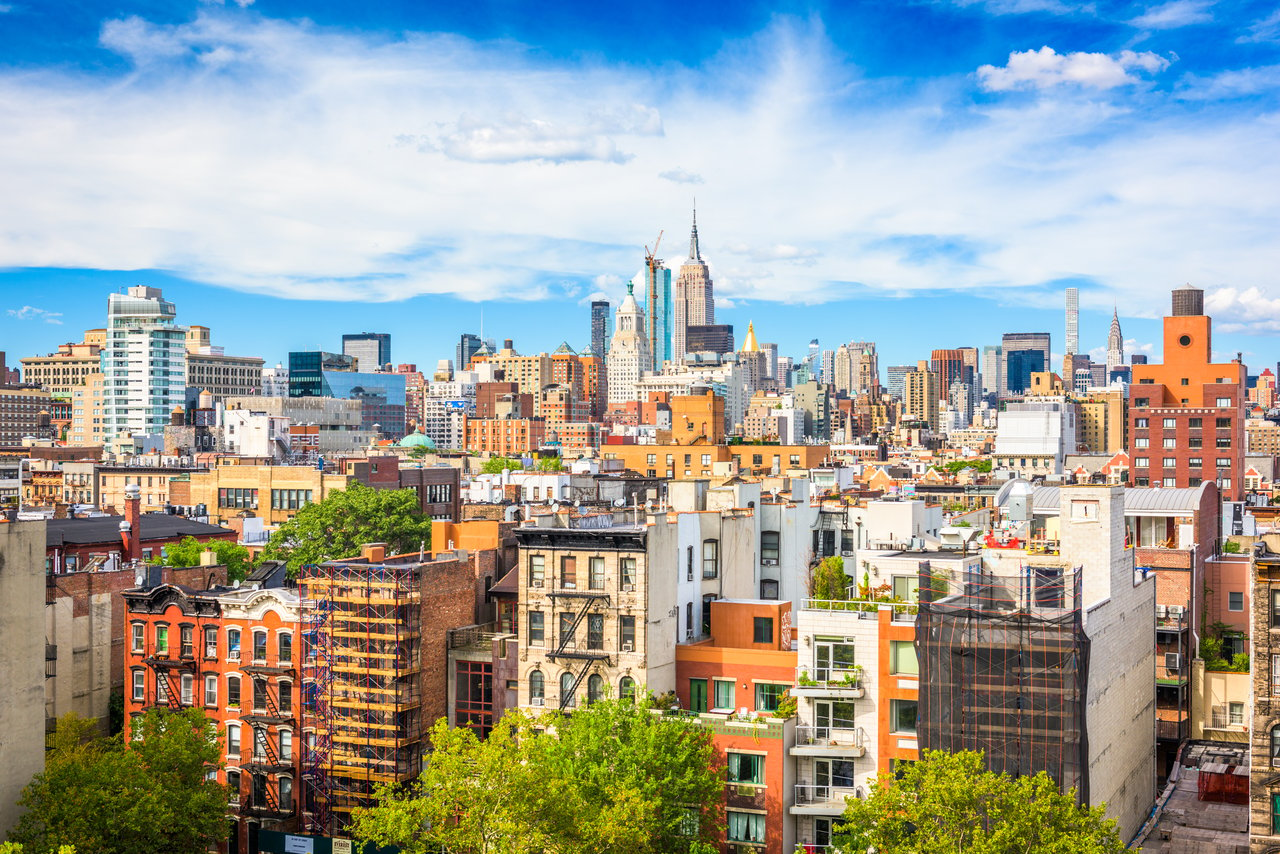
Lower East Side
E Houston to Canal, Bowery to the East River. Tenement architecture, prewar walk-ups, and recent luxury new development concentrated along Delancey and the East River waterfront.
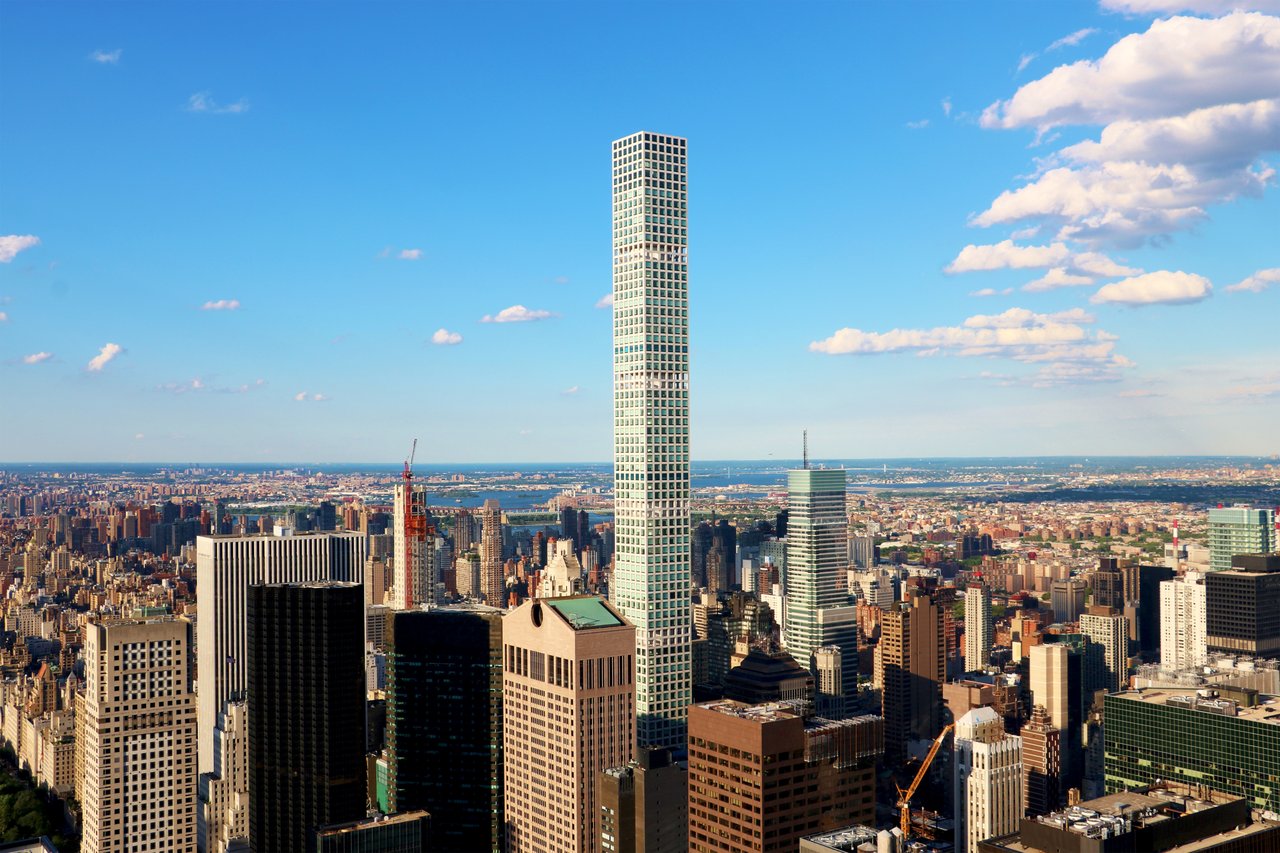
Midtown
The commercial center of New York and one of the city's most diverse residential markets, where landmark office towers, luxury condominiums, historic prewar buildings, and world-famous destinations all exist within a few square miles.
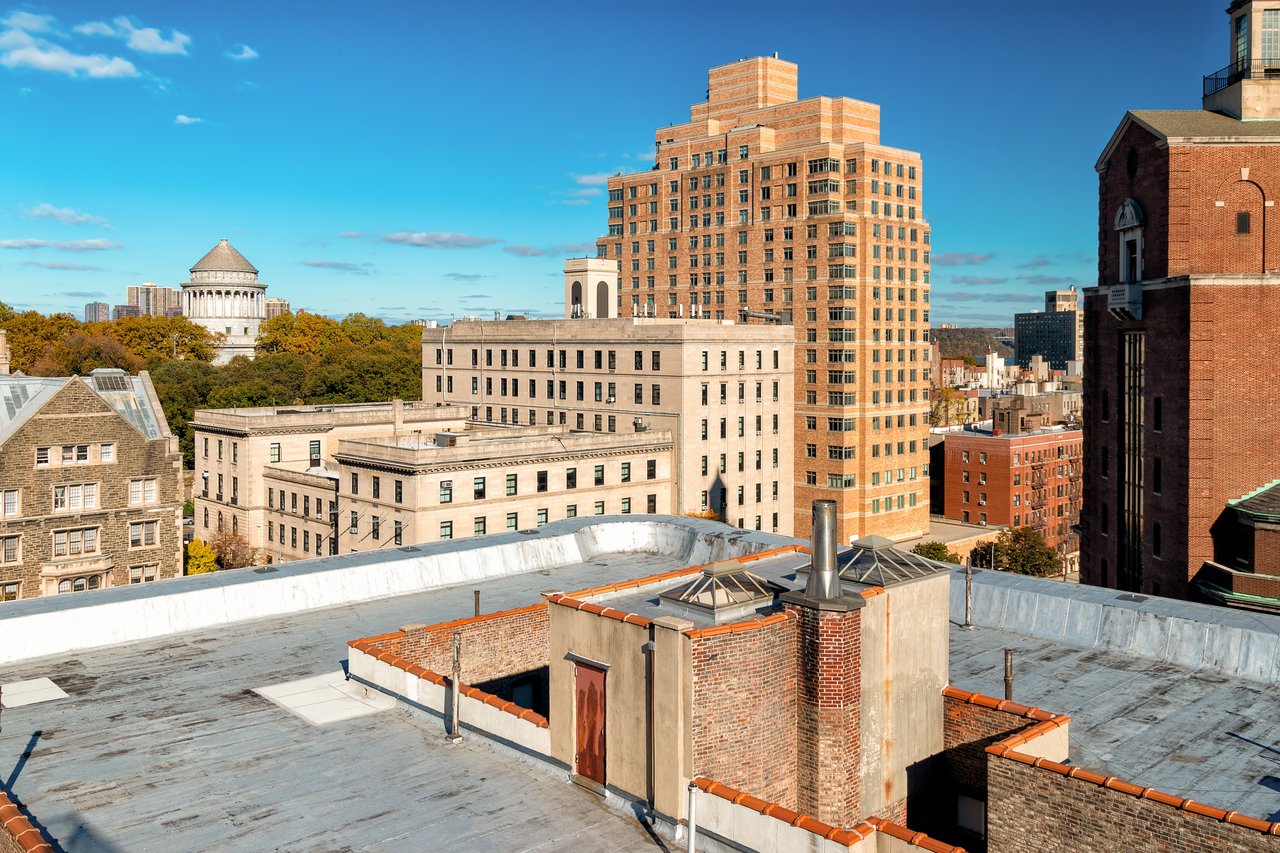
Morningside Heights
110th Street to 125th, Morningside Park to the Hudson. Prewar co-op buildings line Riverside Drive, with Riverside Park on the west and Morningside Park on the east.
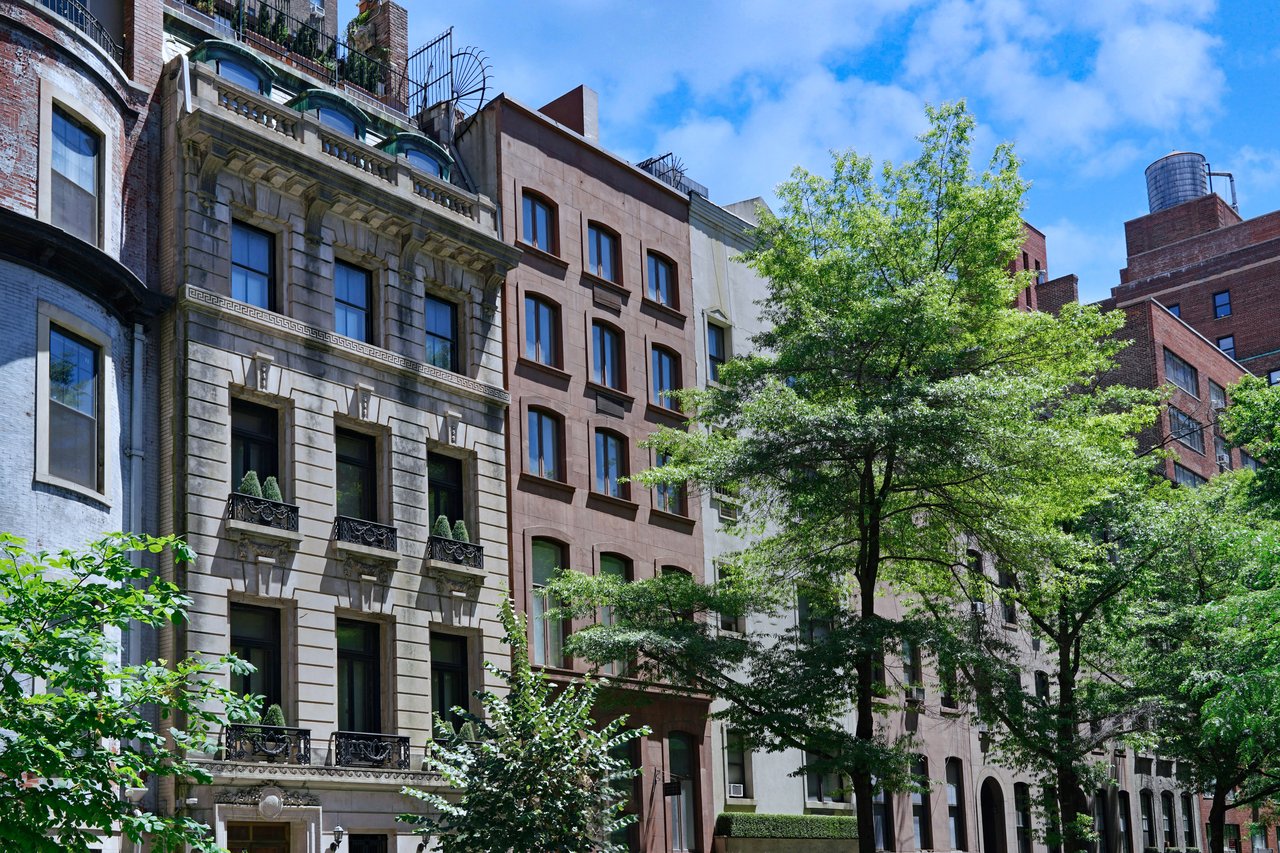
Murray Hill
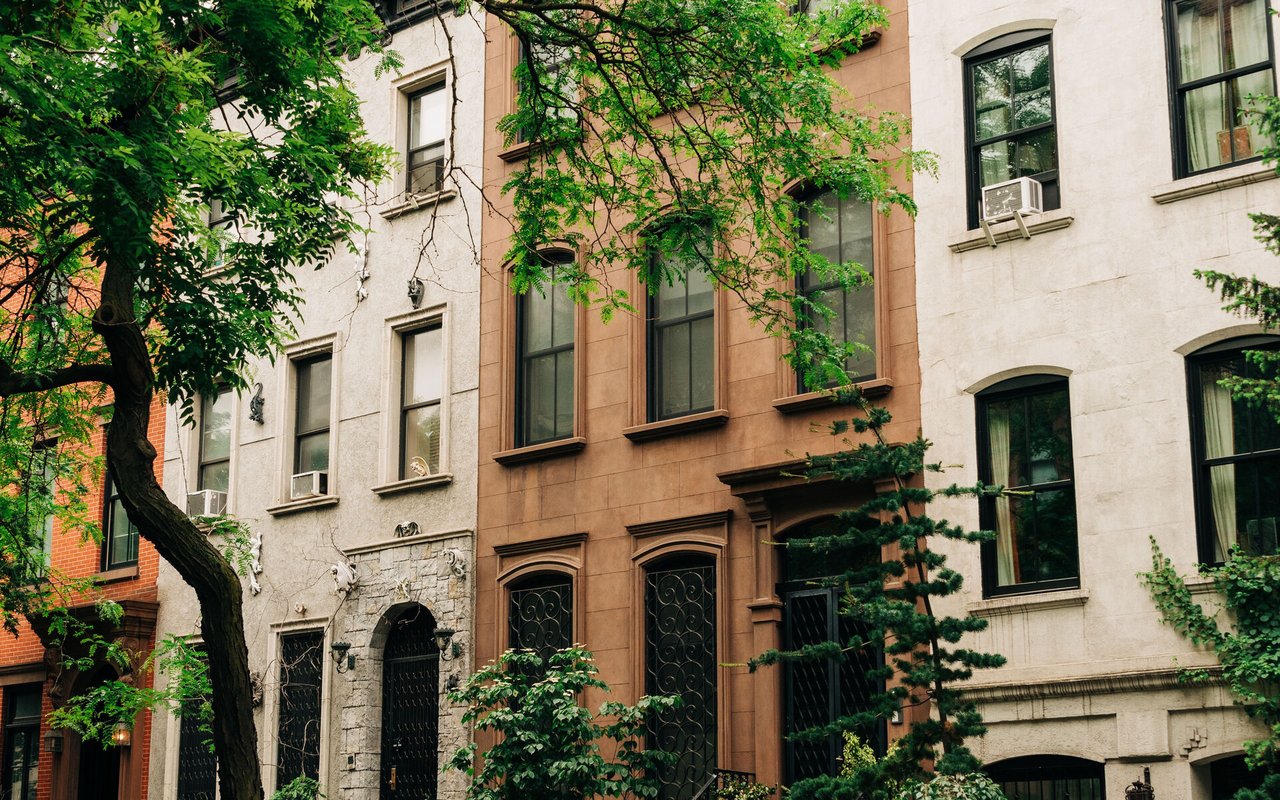
Murray Hill runs from Madison Avenue to the East River, 34th to 42nd Streets. Kips Bay sits just below it, from Lexington Avenue to the East River, 23rd to 34th Streets. Together they form one of the most accessible residential corridors on the east side of Manhattan.
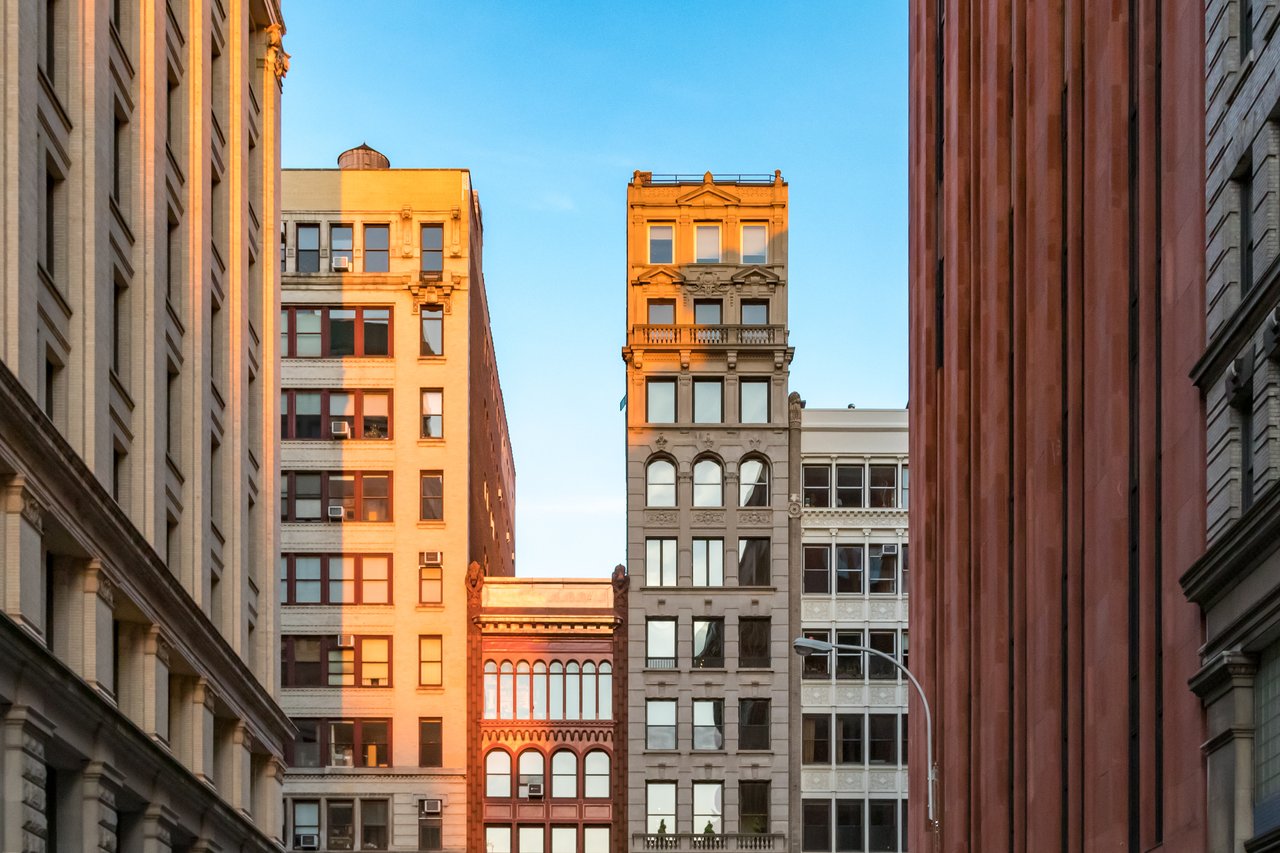
Noho
Cast-iron and brick. Lofts behind landmarked facades. The downtown architectural pedigree of SoHo, at a smaller scale and a lower volume.
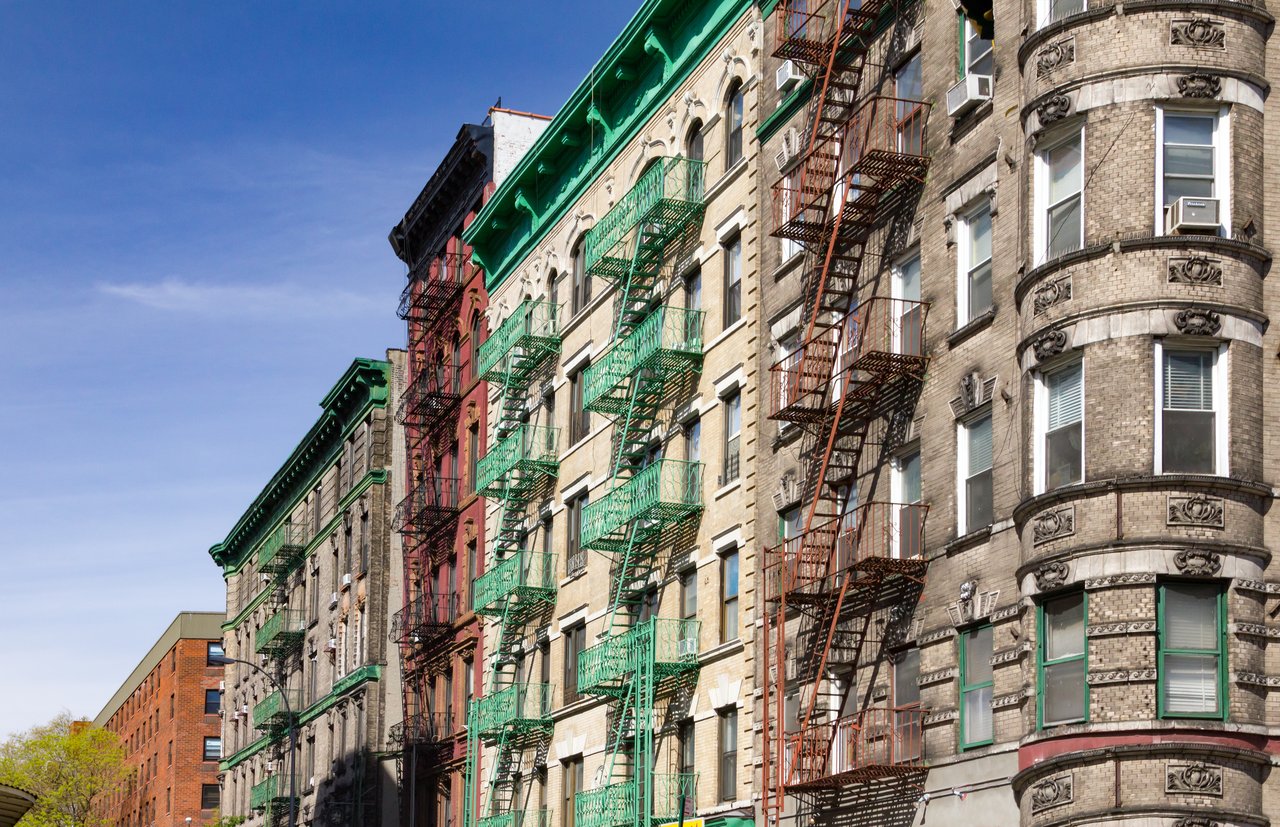
Nolita
Mott, Elizabeth, Mulberry. Narrow streets, independent boutiques, and one of the densest dining corridors in downtown.
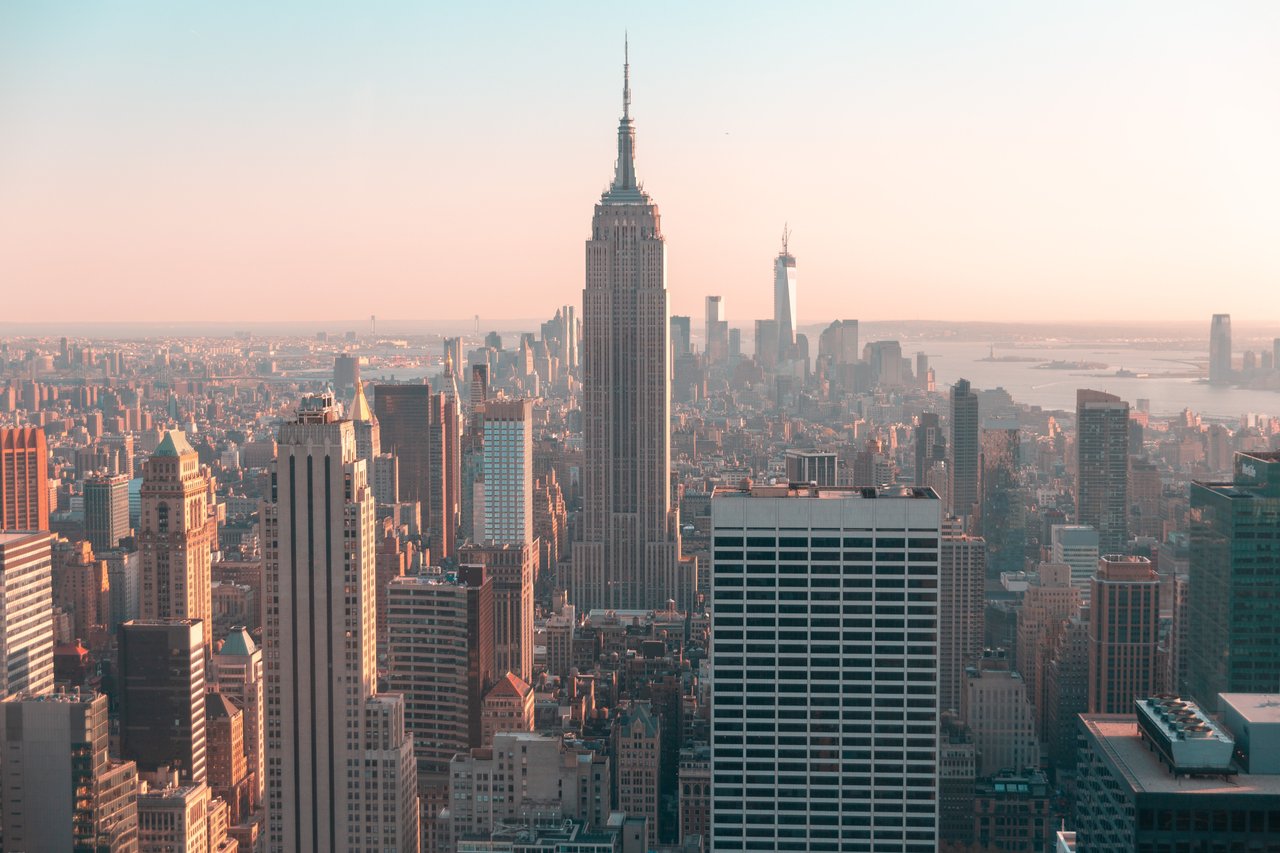
NoMad
NoMad stands for North of Madison Square Park. Its geography matches its name, with the Empire State Building at the northern edge. A historically commercial corridor that is becoming a residential one.
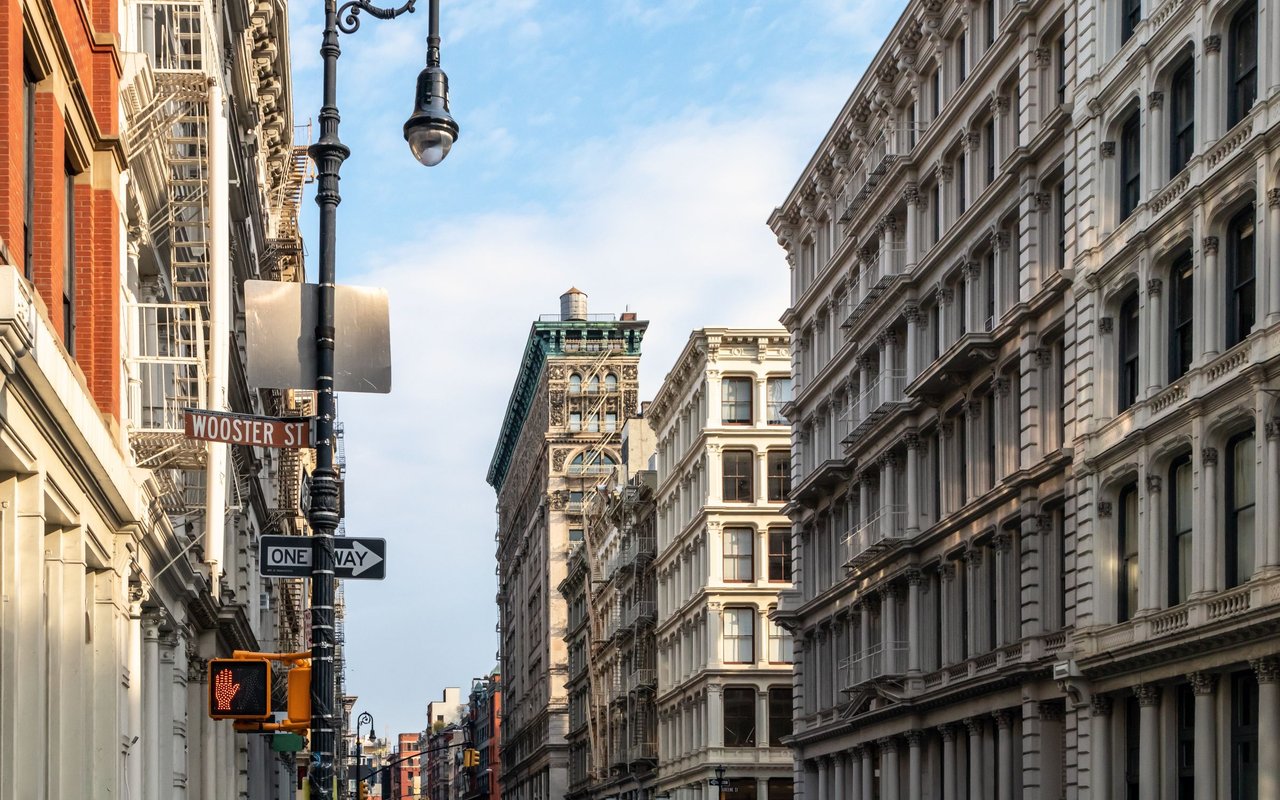
Soho
Cast-iron, cobblestones, light. The largest concentration of cast-iron architecture in the world.
Sutton Place
A quiet residential enclave along the East River in the upper 50s, removed from the commercial density of Midtown East. Predominantly prewar co-op, with some of the most private blocks in the center of Manhattan.
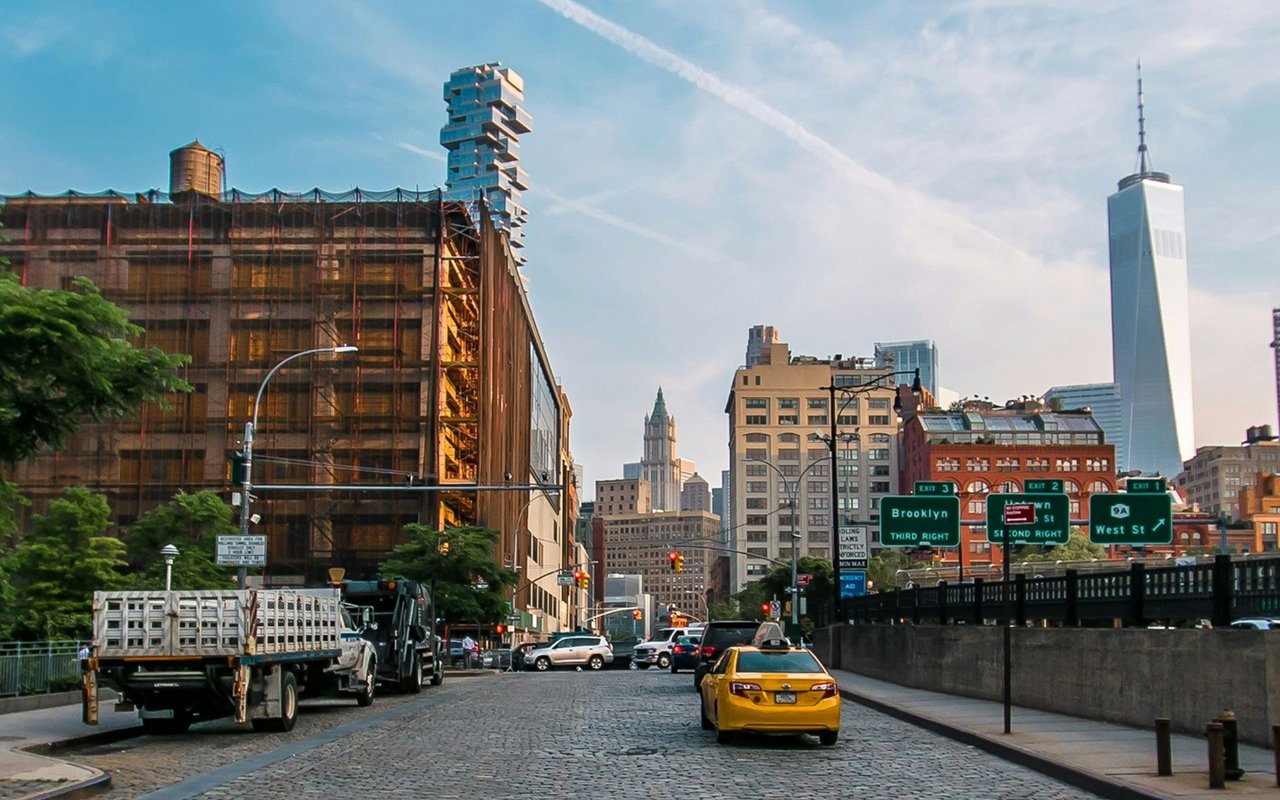
Tribeca
Cobblestones. Wide streets. Mid-rise architecture under historic protection. The Hudson at the western edge. The most residential neighborhood in lower Manhattan.
Upper East Side
Central Park on one edge, the East River on the other. Museum Mile in between. Manhattan's strongest concentration of prewar residential architecture.
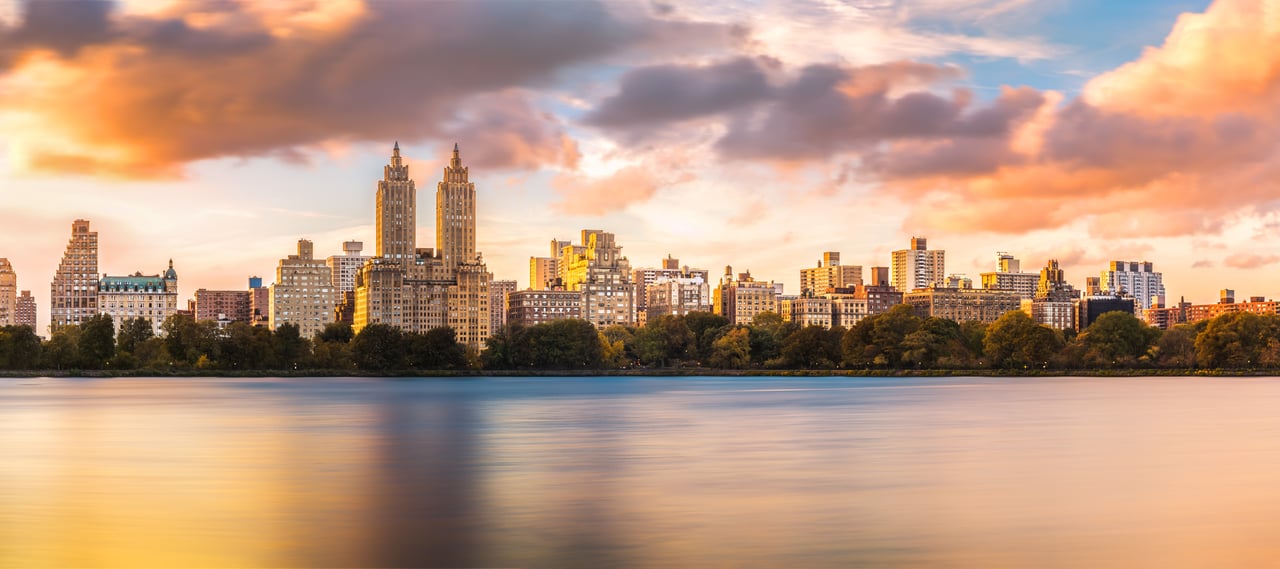
Upper West Side
Two parks frame it. Central Park to the east, Riverside Park to the west. Wide boulevards, prewar architecture, and a residential pace that holds through the day.
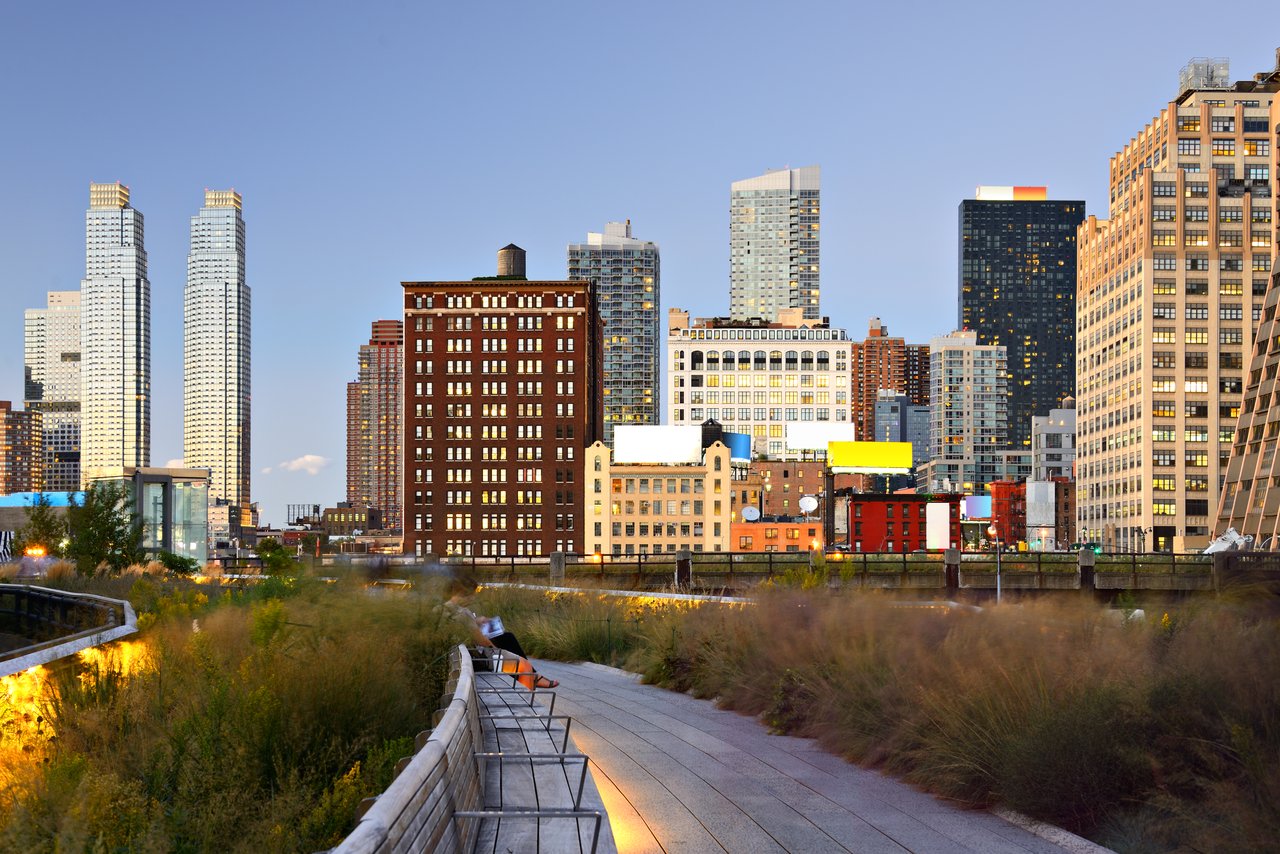
West Chelsea
Manhattan's contemporary gallery district, where industrial warehouses, architect-designed condominiums, and the High Line have transformed a former manufacturing neighborhood into one of the city's premier luxury residential markets.
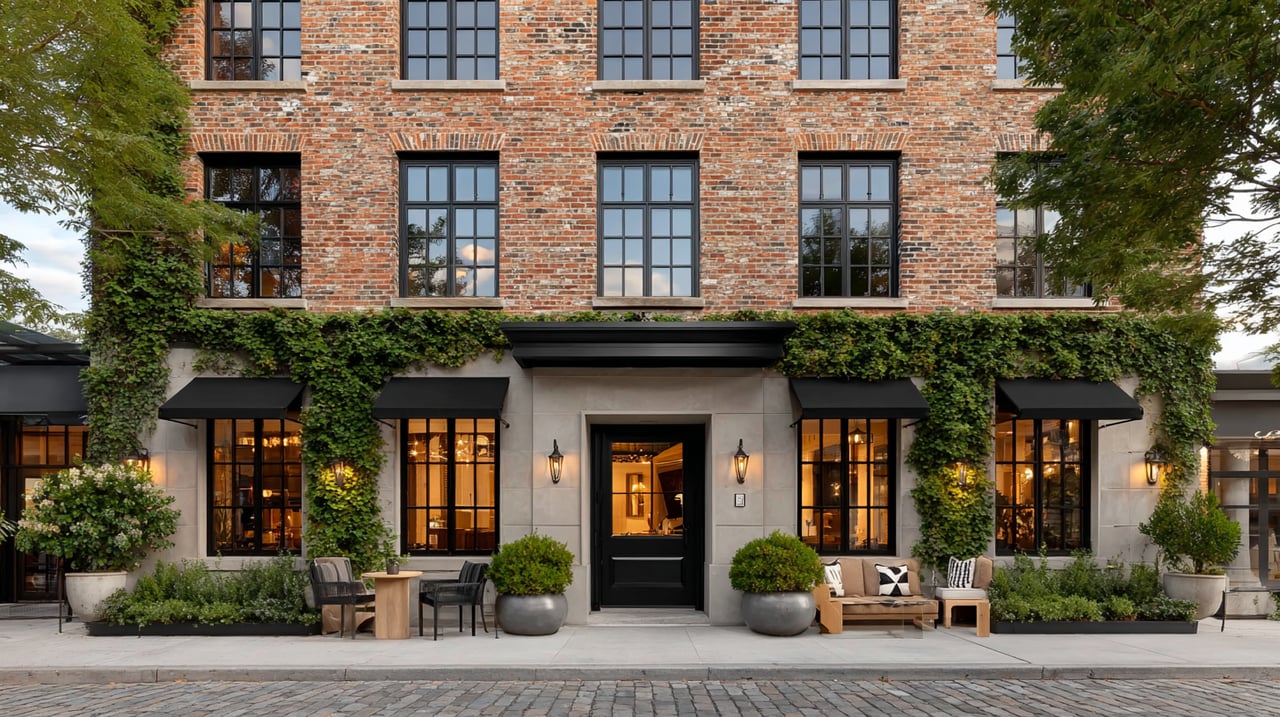
West Village
Brownstone stoops, tree-lined streets, blocks that bend instead of meeting at right angles. The closest Manhattan comes to a village.
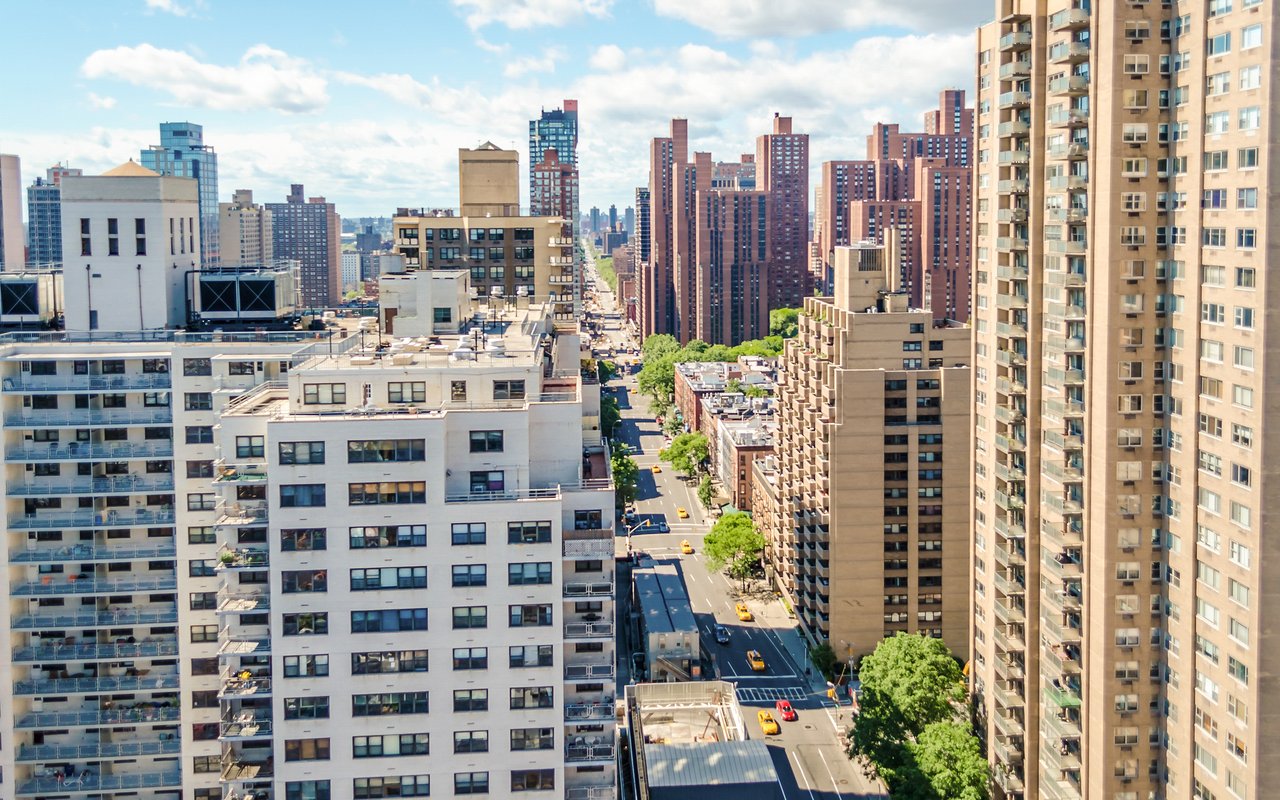
Yorkville
A residential Upper East Side neighborhood where classic prewar apartments, modern condominiums, and one of Manhattan's strongest neighborhood identities come together at a more accessible price point than Park or Fifth Avenue.