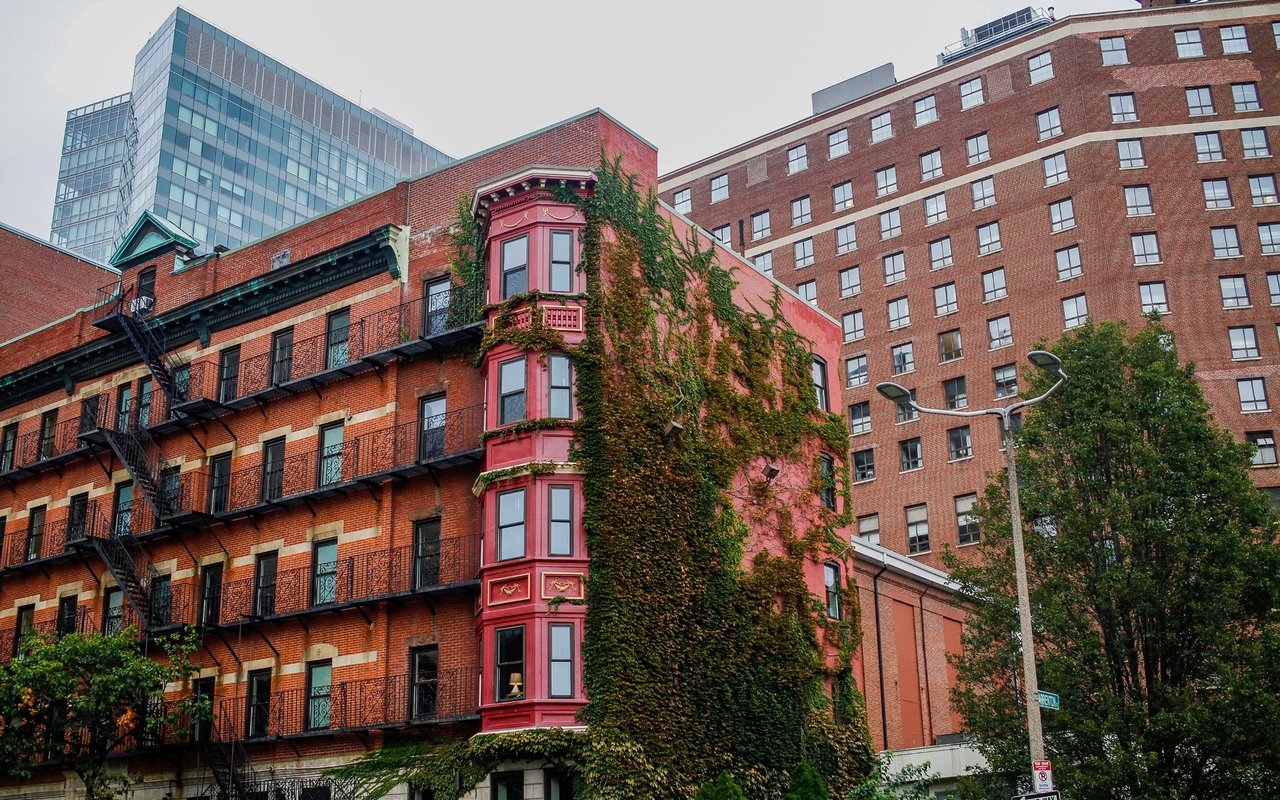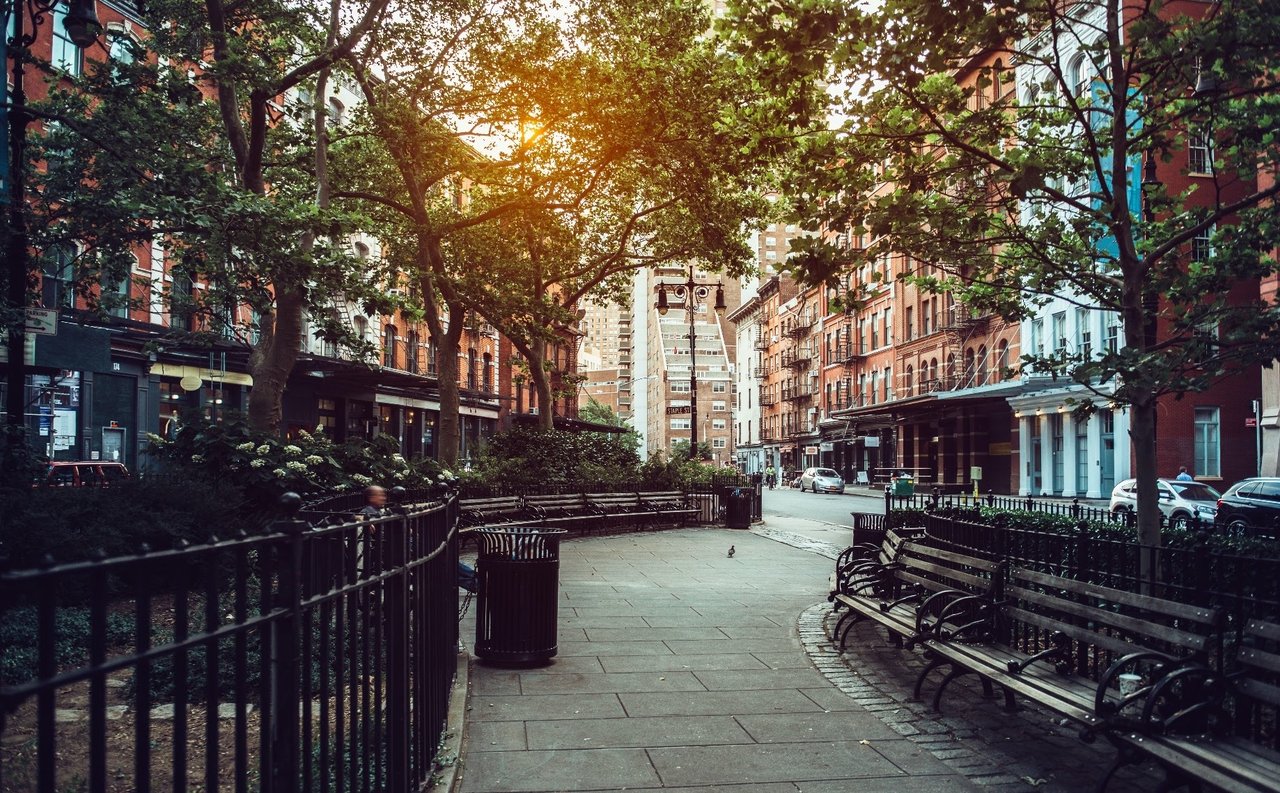
Murray Hill and Kips Bay are for buyers who want a central Manhattan address at a price point that the surrounding neighborhoods no longer offer.
These are buyers priced out of Gramercy to the south or the Upper East Side to the north, and buyers for whom the prewar co-op board process is a friction point rather than a filter they welcome. The building stock here runs heavily toward condo, and the board approval process is lighter than what buyers encounter on Park Avenue.
First-time Manhattan buyers and pied-à-terre buyers show up consistently in this market. The access is real: Grand Central is within walking distance for most of Murray Hill, the 6 train runs the length of both neighborhoods, and the crosstown buses connect east to west along 23rd, 28th, 34th, and 42nd.
Murray Hill and Kips Bay are adjacent but distinct.
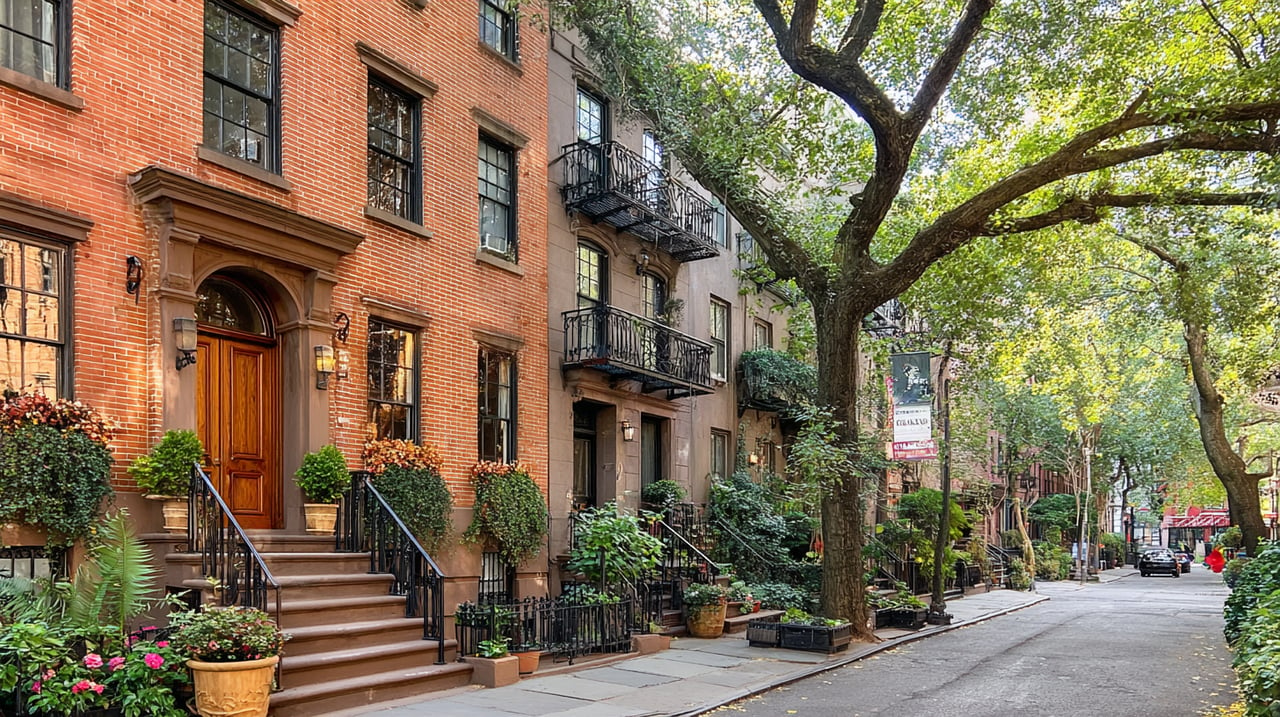
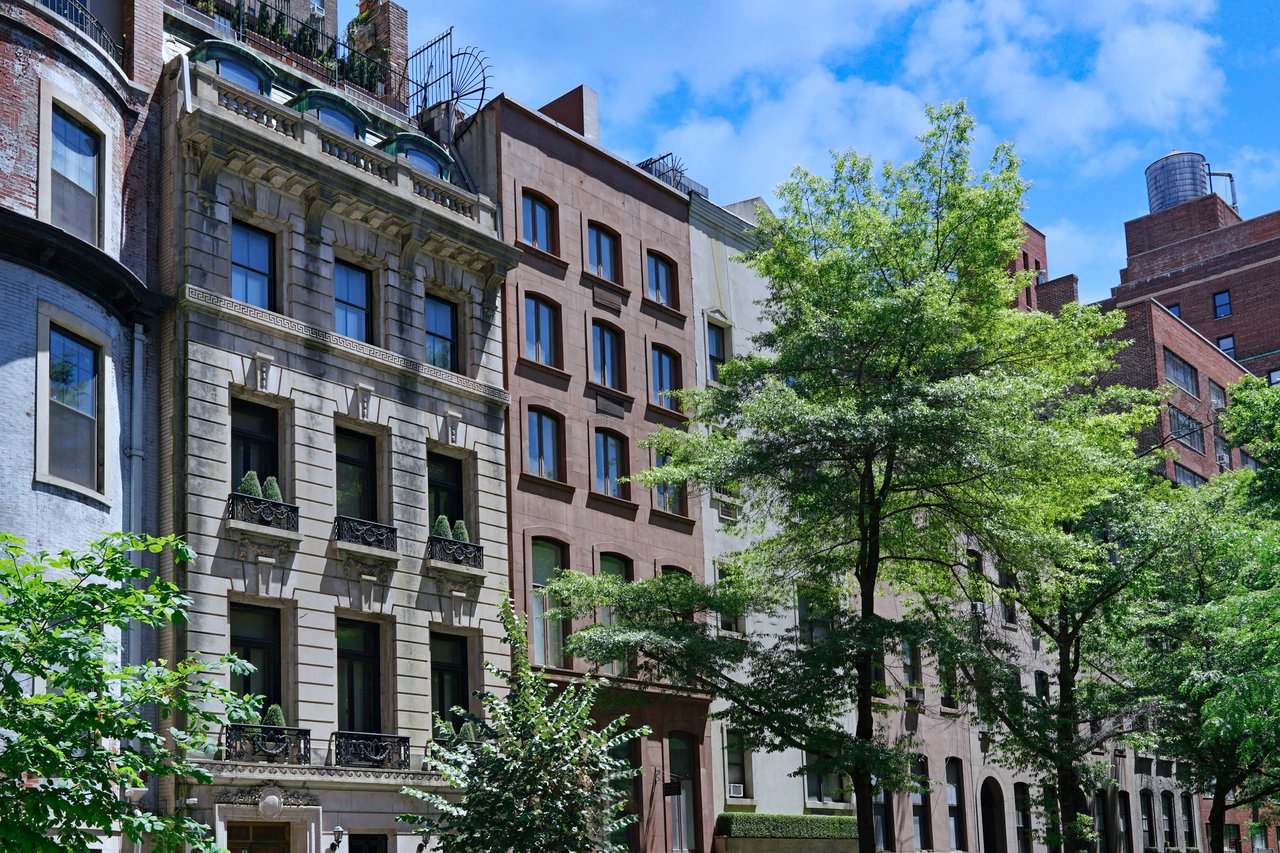
Murray Hill runs from 34th Street north to 42nd, between Madison Avenue and the East River. The neighborhood has a residential quality that its Midtown adjacency does not always suggest. The brownstone blocks between Madison and Lexington in the upper 30s carry a quiet, tree-lined character.
Kips Bay runs from 23rd Street north to 34th, between Lexington Avenue and the East River. It has a more active street-level character than Murray Hill, with a denser concentration of bars, restaurants, and everyday retail along Second and Third Avenues. The NYU Langone Medical Center complex anchors the eastern edge along the FDR, which shapes the daily population of the neighborhood and supports consistent demand from the medical and academic communities.
The two neighborhoods share transit, proximity to the East River esplanade, and a buyer profile that tends to prioritize access and value over neighborhood prestige.
The residential stock here is condo-dominant, which is part of what draws buyers who want to avoid the co-op process.
The large-scale anchors define the tier. The Corinthian at 330 East 38th Street is the largest: 831 condos in a 1988 building with a full amenity package and East River views from upper floors. One United Nations Park at 695 First Avenue is the most prominent recent addition: 556 condos with views directly over the UN campus and the East River. Both buildings operate at a scale and service level closer to a hotel than to a boutique residential building.
The mid-scale condo tier fills in around them. 325 Lex (125 condos), The Lindley at 591 Third Avenue (74 condos), and Eastlight at 501 Third Avenue (144 condos) are representative of the newer mid-rise condo product that has come on in both neighborhoods over the last decade.
The co-op tier exists but is smaller than in neighboring Gramercy or the Upper East Side. Hardwicke Hall at 314 East 41st Street (200 co-op residences, 1928) is one of the few prewar co-ops of scale in Murray Hill.
Buyers in this market are choosing between the full-service large-scale condo buildings and the smaller mid-rise condo tier. The large-scale buildings offer amenity depth and service consistency. The smaller buildings offer a more residential feel and, in some cases, lower carrying costs.
Murray Hill and Kips Bay do not have Gramercy's private park or the Upper East Side's Museum Mile . What they have is proximity to both, a walkable East River esplanade along their eastern edge, and an accessible price per square foot that neither of those neighborhoods can match.
The large-scale condo buildings operate at a density and building-population scale that suits buyers who value anonymity. The Corinthian and One United Nations Park are residential in name but function more like vertical communities with hundreds of neighbors. Buyers who want a smaller building experience, with more personal interactions with neighbors and staff, will find the mid-rise tier more comfortable.
The social scene in both neighborhoods skews younger. The bar and restaurant density on Second and Third Avenues through the 20s and 30s attracts a post-college population that gives the neighborhood energy but also noise on weekend nights.
For the right buyer, the value gap between these neighborhoods and Gramercy or the Upper East Side is the reason to look here carefully before looking elsewhere.
Local Highlights
Eat & Drink
Restaurants, Cafés & Bars
Arts & Culture
Galleries, Museums & Venues
36,935 people live in Murray Hill, where the median age is 37 and the average individual income is $116,802. Data provided by the U.S. Census Bureau.
Total Population
Median Age
Population Density
Average individual Income
There's plenty to do around Murray Hill, including shopping, dining, nightlife, parks, and more. Data provided by Walk Score and Yelp.
Explore popular things to do in the area, including Town Sports Intl, Mimi Kamara, and Luscious Lash Loft.
| Name | Category | Distance | Reviews |
Ratings by
Yelp
|
|---|---|---|---|---|
| Active | 0.43 miles | 0 reviews | 0/5 stars | |
| Beauty | 0.25 miles | 0 reviews | 0/5 stars | |
| Beauty | 0.3 miles | 0 reviews | 0/5 stars | |
|
|
||||
|
|
||||
|
|
||||
|
|
||||
|
|
||||
|
|
Murray Hill has 19,130 households, with an average household size of 2. Data provided by the U.S. Census Bureau. Here’s what the people living in Murray Hill do for work — and how long it takes them to get there. Data provided by the U.S. Census Bureau. 36,935 people call Murray Hill home. The population density is 140,700 and the largest age group is Data provided by the U.S. Census Bureau.
Total Population
Population Density Population Density This is the number of people per square mile in a neighborhood.
Median Age
Men vs Women
Population by Age Group
0-9 Years
10-17 Years
18-24 Years
25-64 Years
65-74 Years
75+ Years
Education Level
Total Households
Average Household Size
Average individual Income
Households with Children
With Children:
Without Children:
Blue vs White Collar Workers
Blue Collar:
White Collar: