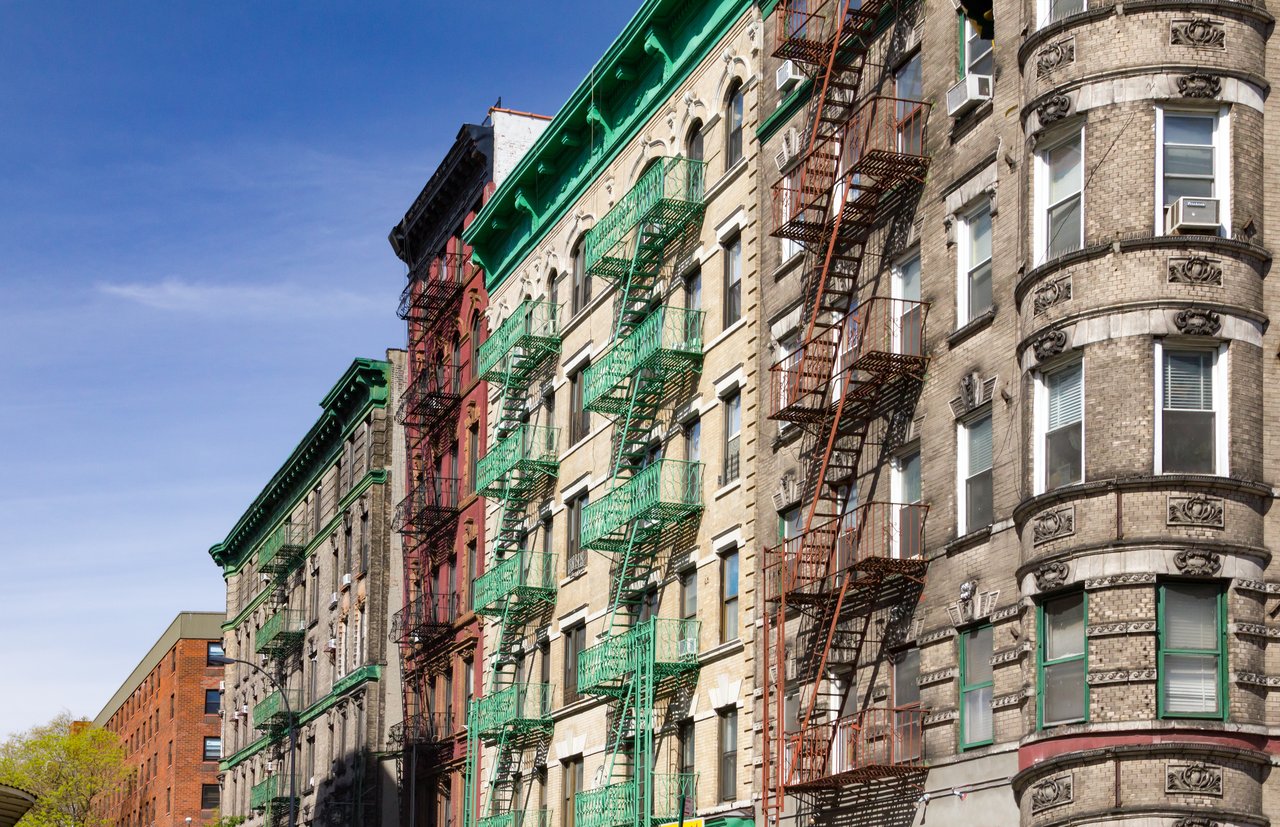
Nolita
Mott, Elizabeth, Mulberry. Narrow streets, independent boutiques, and one of the densest dining corridors in downtown.
Nolita is for buyers who want to live inside a retail and dining neighborhood, not adjacent to one.
The neighborhood is small. The boutiques and restaurants that define it are concentrated within a few square blocks. Buyers who live here use the neighborhood every day, walk to dinner, and accept that the streets stay active.
This is a neighborhood for buyers who weigh daily walkability and downtown character over residential quiet.
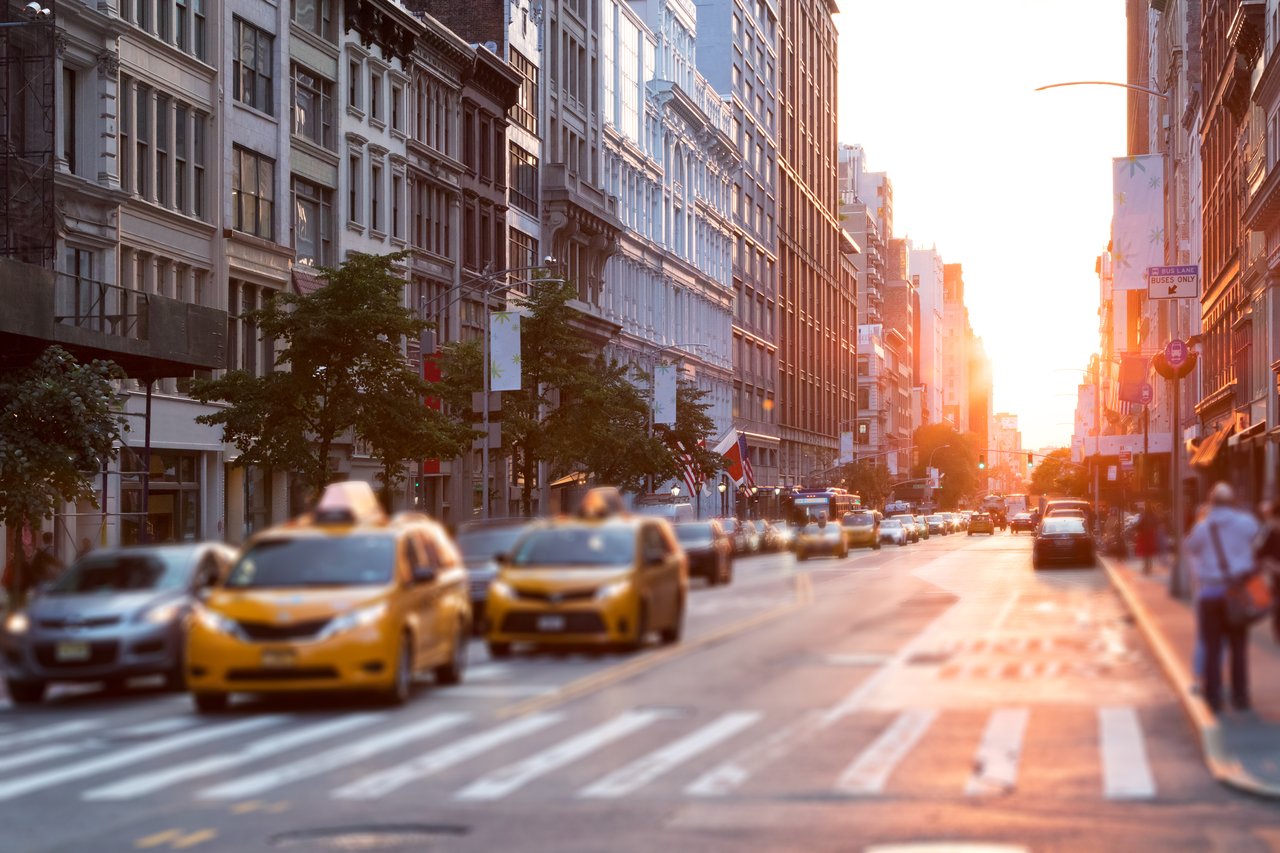
Nolita runs roughly from Houston Street south to Broome, between Bowery and Lafayette. The footprint is one of the smallest in lower Manhattan. The defining streets are Mott, Elizabeth, and Mulberry, each running north-south through the neighborhood.
The retail character is independent and boutique. Nolita does not carry the chain-store concentration of SoHo. The storefronts skew toward small-batch, design-led brands and curated boutiques, many of them operating in their original Nolita locations for over a decade.
The dining scene is dense. Lombardi's. Rubirosa. Emilio's Ballato. Café Habana. Many of the restaurants have been in the same locations for decades.
Architecturally, Nolita is defined by the low-rise tenement buildings that have characterized the neighborhood since the 19th century. The Italianate Old Saint Patrick's Cathedral on Mulberry anchors the religious and cultural history. The former NYPD Headquarters at 240 Centre Street, converted to condominium use in 1988, is one of the neighborhood's architectural landmarks.
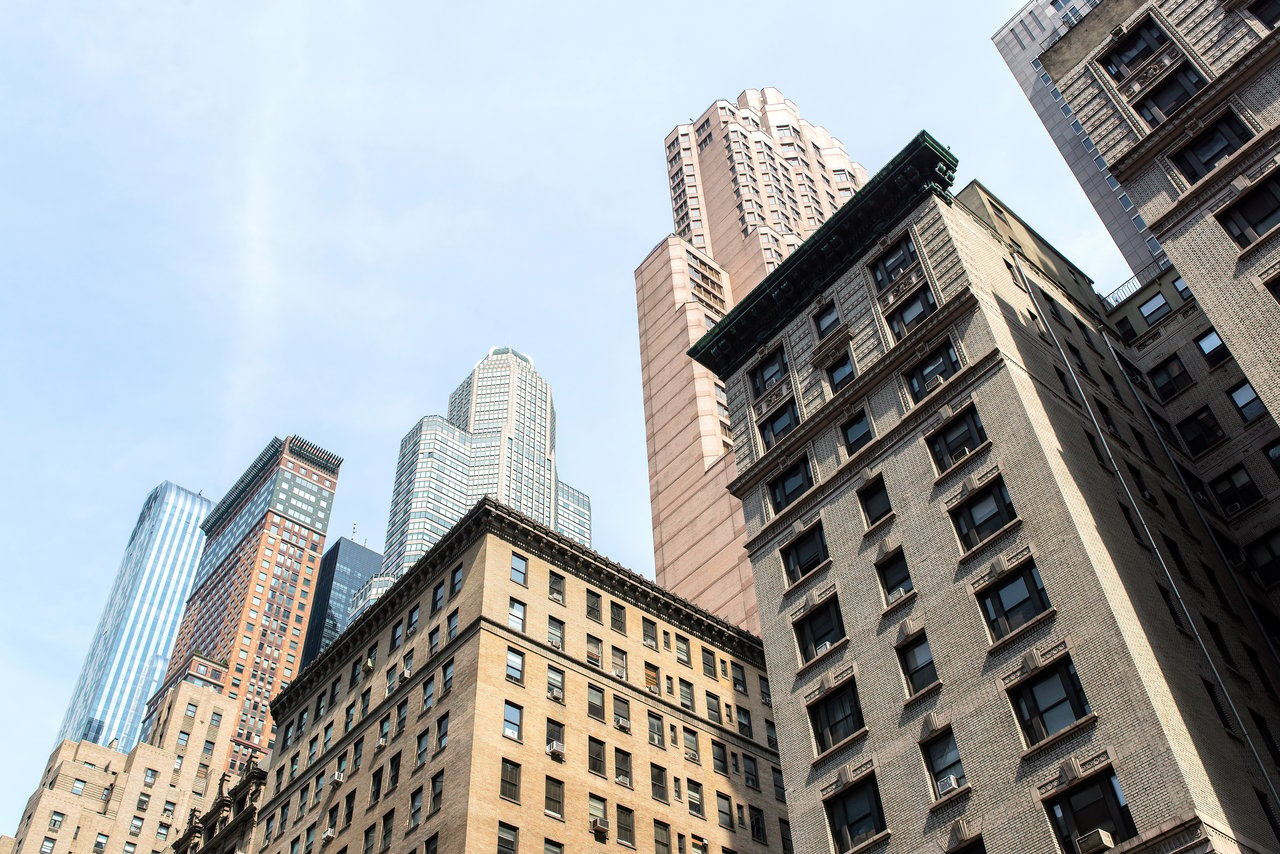
Nolita's residential stock divides into three categories.
Prewar tenement and walk-up buildings define the majority of the inventory. Five and six-story brick buildings, originally constructed in the late 19th and early 20th centuries. Most have been renovated, but the floor plates remain compact and the building systems often reflect their age.
Boutique condominium conversions occupy a smaller tier. 199 Mott Street, 250 Bowery, and 240 Centre Street are examples. These offer larger floor plates, modern systems, and the cleaner ownership structure of contemporary condominium ownership.
A modest number of recently constructed boutique condominium projects. Limited in count because the Nolita footprint is small and new construction is rare.
The decision is usually between the tenement character and walk-up structure of the older buildings and the larger residences and full-service amenity packages of the conversions.
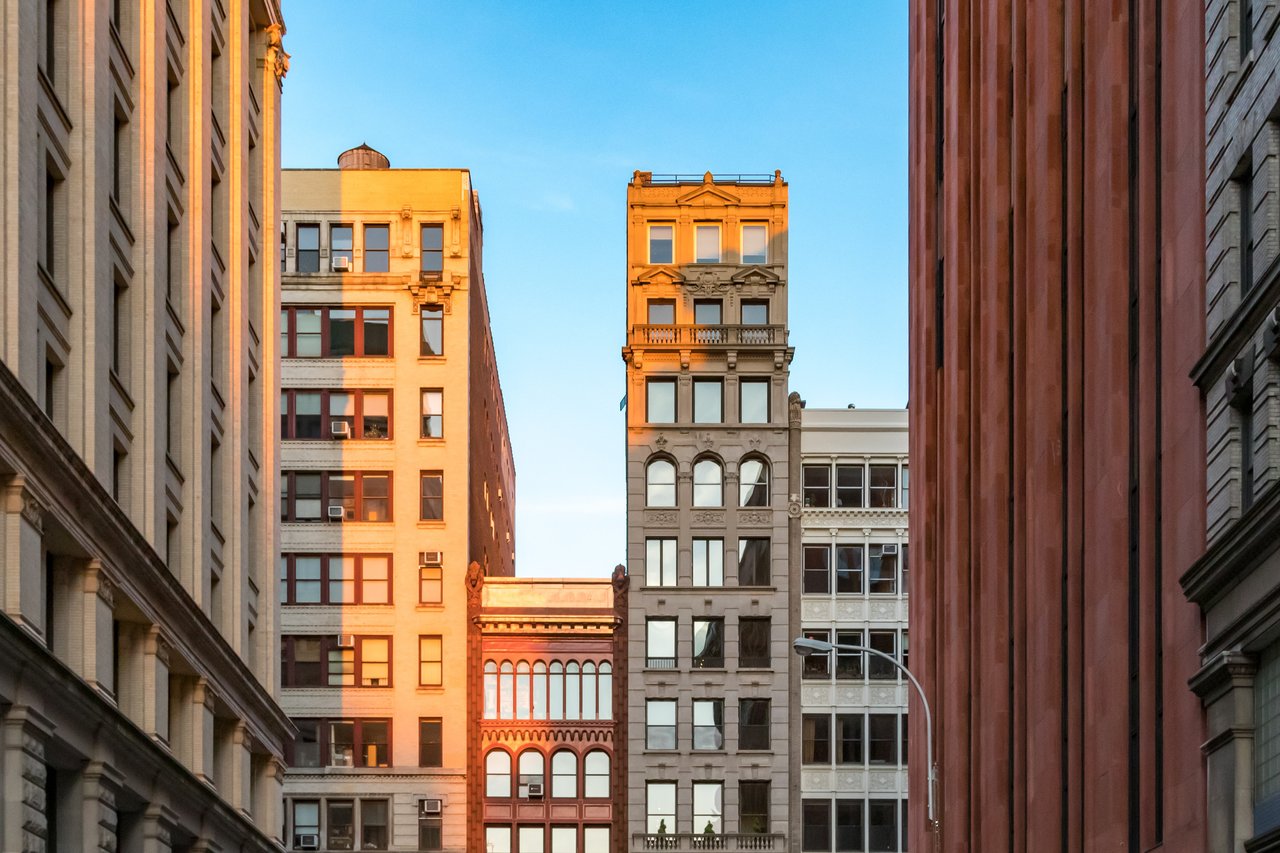
The streets run hot. Weekends are dense with pedestrian traffic, retail shoppers, and dining-bound visitors from across Manhattan and the boroughs. The blocks closest to Mulberry and Mott are the most active. Buyers who want a quiet residential block will find the village-scale streets of the West Village or Gramercy a better fit.
The footprint is small. Nolita's inventory is bounded by neighborhood size and by zoning that does not support significant new construction. The buildings that exist trade infrequently, and buyers who need to move on a timeline may not find the residence they want available.
Floor plates run small. The tenement architecture means many residences operate at smaller square footage than buyers may be used to elsewhere downtown. Combined or full-floor residences exist but are limited.
For the right buyer, the activity is the appeal. The retail-and-dining density that defines Nolita is what they are buying, and the streetscape rewards the buyer who actually uses the neighborhood. Buyers who want a residential block to come home to will be more comfortable elsewhere.
Local Highlights
Eat & Drink
Restaurants, Cafés & Bars
Shop
Retail & Boutiques
Arts & Culture
Galleries, Museums & Venues
Wellness & Active
Fitness & Recreation
6,165 people live in Nolita, where the median age is 39 and the average individual income is $100,219. Data provided by the U.S. Census Bureau.
Total Population
Median Age
Population Density
Average individual Income
There's plenty to do around Nolita, including shopping, dining, nightlife, parks, and more. Data provided by Walk Score and Yelp.
Explore popular things to do in the area, including Plus Two, Maje, and Ssur Plus.
| Name | Category | Distance | Reviews |
Ratings by
Yelp
|
|---|---|---|---|---|
| Shopping | 0.02 miles | 0 reviews | 0/5 stars | |
| Shopping | 0.06 miles | 4 reviews | 1/5 stars | |
| Shopping | 0.08 miles | 0 reviews | 0/5 stars | |
|
|
||||
|
|
||||
|
|
||||
|
|
||||
|
|
||||
|
|
Nolita has 3,383 households, with an average household size of 2. Data provided by the U.S. Census Bureau. Here’s what the people living in Nolita do for work — and how long it takes them to get there. Data provided by the U.S. Census Bureau. 6,165 people call Nolita home. The population density is 114,523 and the largest age group is Data provided by the U.S. Census Bureau.
Total Population
Population Density Population Density This is the number of people per square mile in a neighborhood.
Median Age
Men vs Women
Population by Age Group
0-9 Years
10-17 Years
18-24 Years
25-64 Years
65-74 Years
75+ Years
Education Level
Total Households
Average Household Size
Average individual Income
Households with Children
With Children:
Without Children:
Blue vs White Collar Workers
Blue Collar:
White Collar:
140 Franklin Street New York, NY 10013
140 Franklin Street New York, NY 10013
