Upper West Side
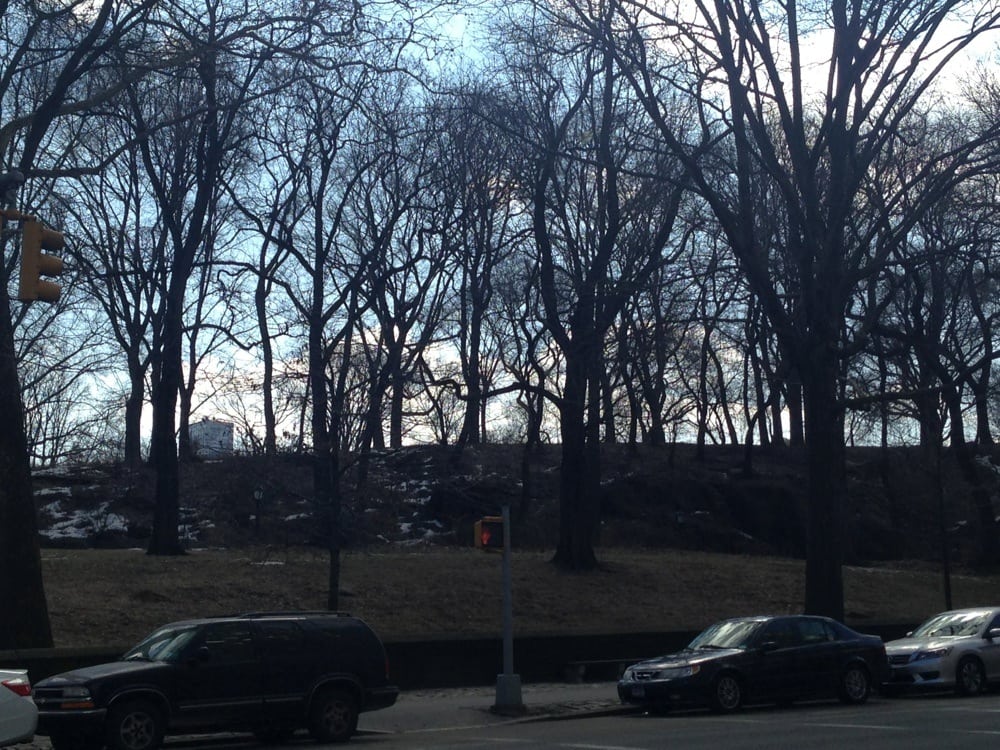
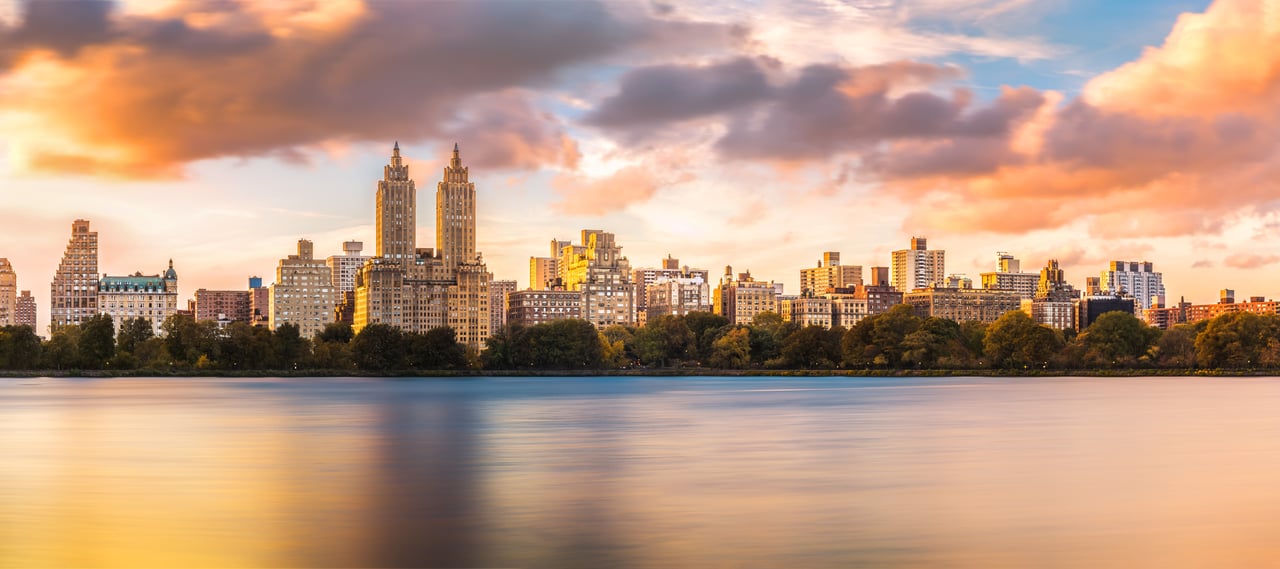
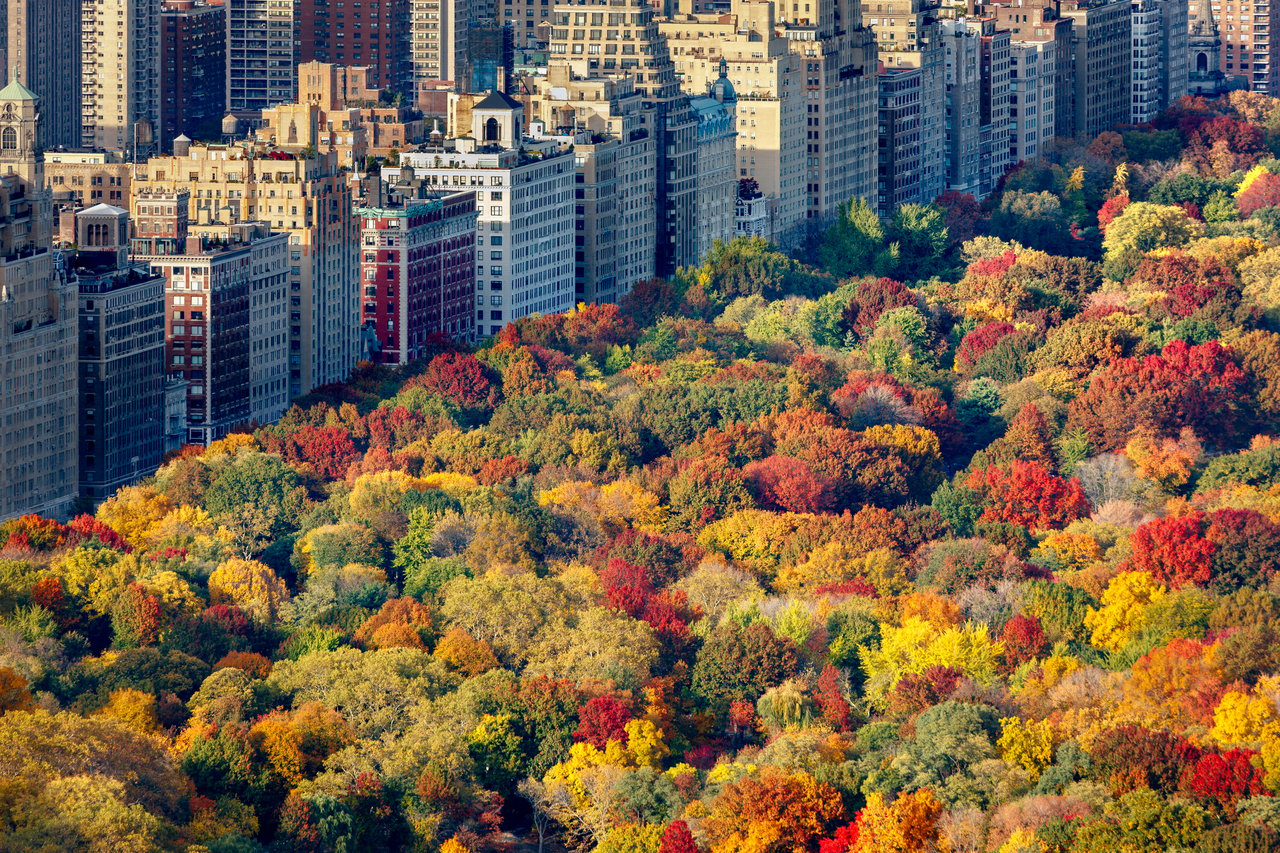
Two parks frame it. Central Park to the east, Riverside Park to the west. Wide boulevards, prewar architecture, and a residential pace that holds through the day.
Upper West Side is for buyers who want their daily orbit to include two parks, Lincoln Center, and the museums.
Daily walks in the park. Lincoln Center as part of the calendar, not a destination. A residential corridor that holds its pace through the day rather than emptying out at 7 pm.
This is a neighborhood for buyers who care about architectural pedigree, walking distance to two parks, and a slower rhythm than downtown Manhattan delivers.
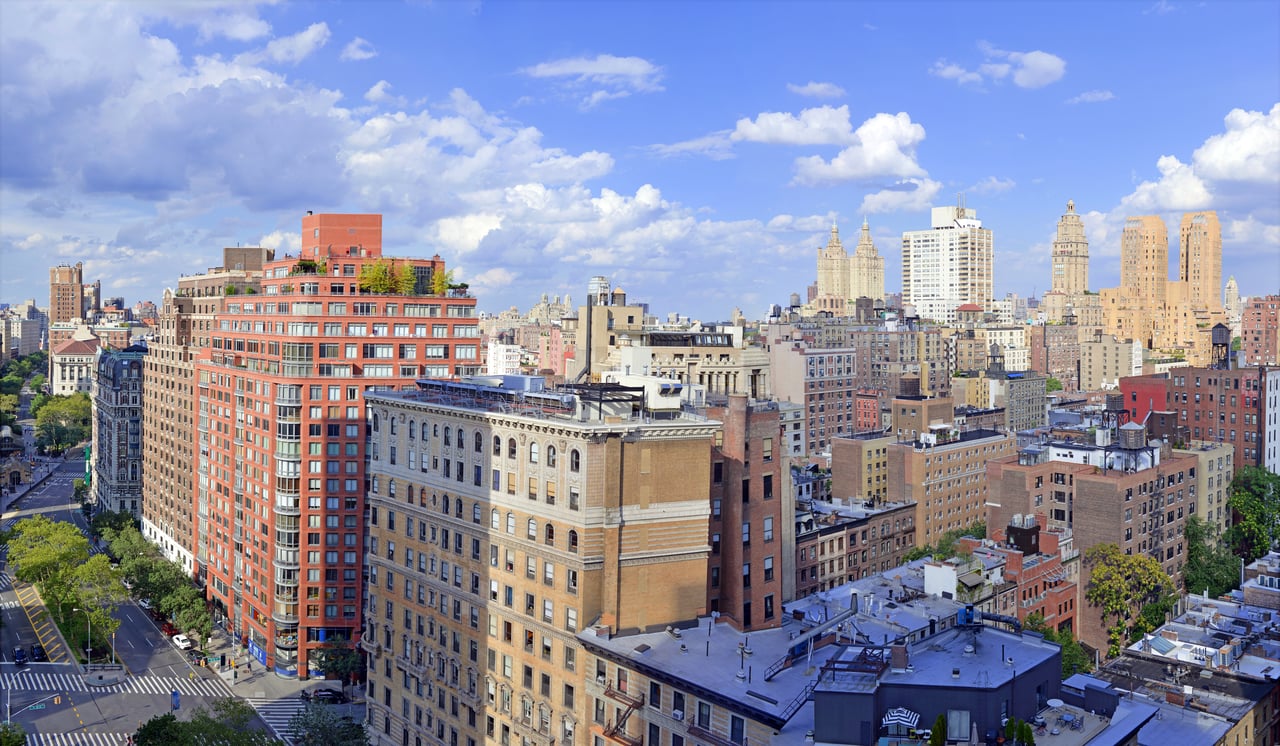
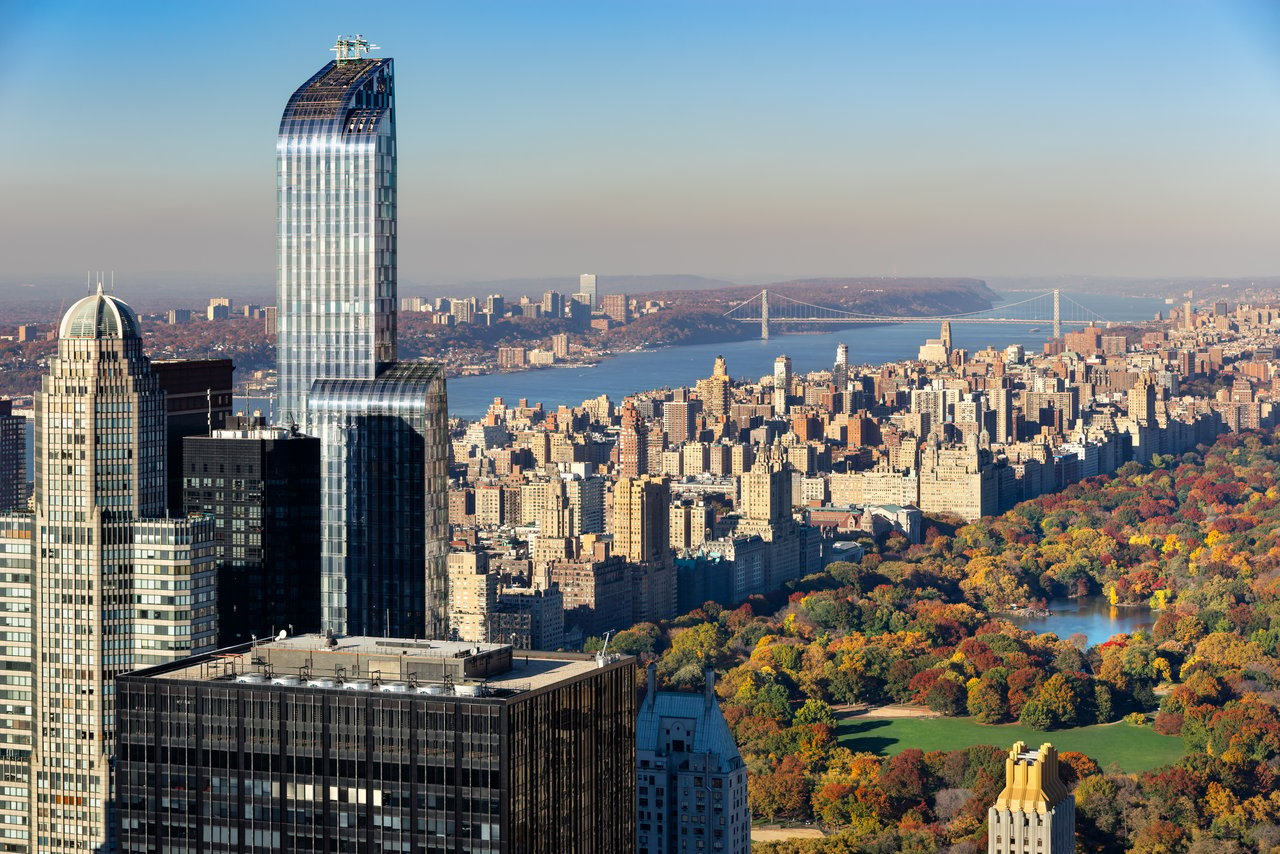
UWS runs from Columbus Circle north into the 110s, with Morningside Heights frequently grouped with the neighborhood at the northern edge. Bounded by Central Park to the east and the Hudson River to the west. The character shifts as you move uptown, but the structural fact holds: two parks, four parallel boulevards in between.
Central Park West is the prestige spine. The Dakota, San Remo, Beresford, Eldorado, and Majestic are the trophy prewar co-ops that defined what a Central Park West address meant for most of the twentieth century. Park views, large layouts, serious boards, and long waits for the most desirable park-facing residences.
Riverside Drive runs along the western edge with river views and prewar buildings of a quieter residential character. West End Avenue and Broadway sit between them. West End is residential and quiet. Broadway is the commercial and transit spine.
Lincoln Center anchors the south. The Metropolitan Opera, New York City Ballet, the Philharmonic, Juilliard. The American Museum of Natural History sits at 79th and Central Park West.
Dining is broad and stable. Café Luxembourg. Barney Greengrass. Cafe Fiorello. Levain. Zabar's. Many establishments have been operating for decades, which says something about the residential base.
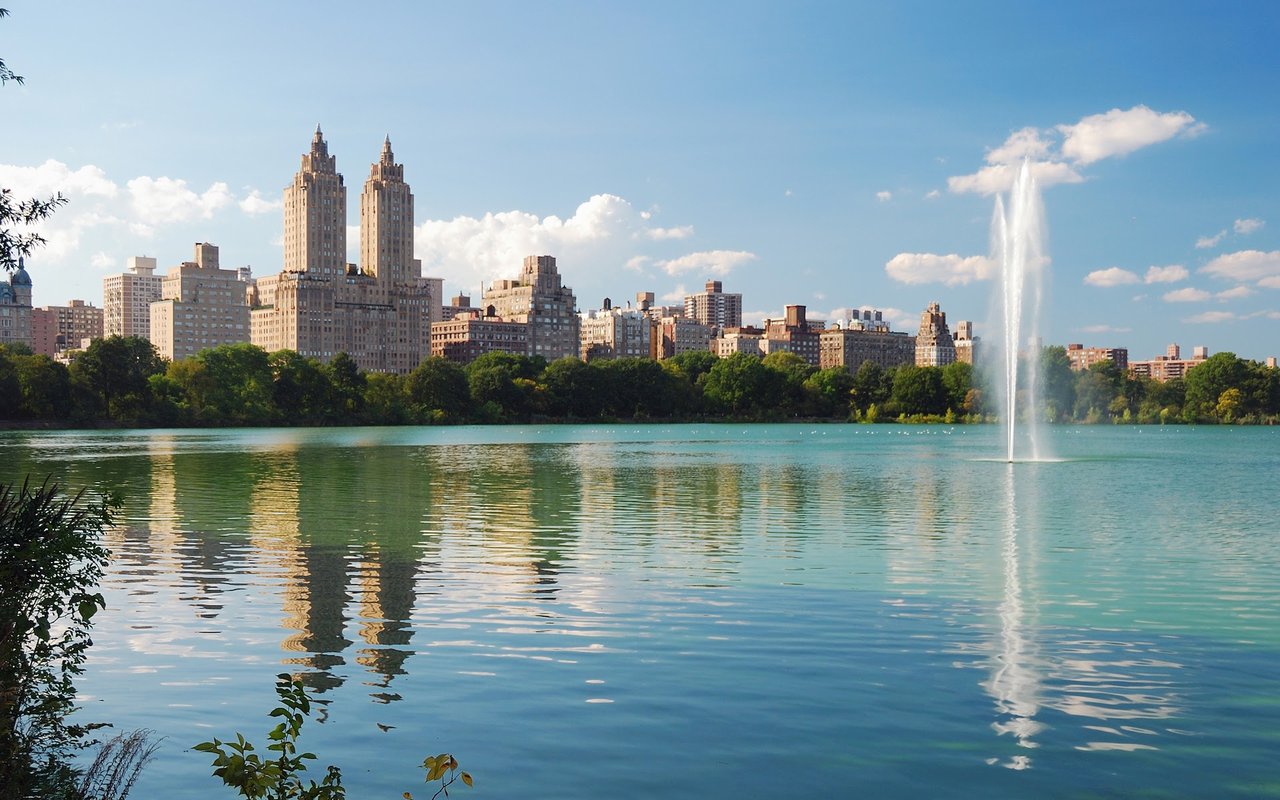
UWS is predominantly co-op. The prewar buildings define the trophy tier, especially along Central Park West. Boards are serious and financials are scrutinized at depth. The top-line CPW buildings ask for both a strong board package and the wealth profile to back it up.
Brownstones run through the side streets in the 70s, 80s, and 90s. Some are intact single-residence townhouses. Others are configured as duplex or triplex condominium and co-op units, often with garden access.
Newer condominium product has been arriving consistently. The Lincoln Square corridor in the 60s holds the most concentrated new development, anchored by 50 West 66th Street and a multi-building Extell redevelopment of the former ABC campus. The 80s and 90s have seen a sustained run of boutique RAMSA and Naftali-led buildings, including the Belnord renovation and several recent ground-up projects.
The right choice depends on whether you weight architectural pedigree, board scrutiny, ownership structure, or building age.
New development on the Upper West Side arrives steadily, distributed in boutique projects across the neighborhood. Three current projects anchor the pipeline, with a fourth in active permitting.
50 West 66th Street. Snøhetta's first US residential project, developed by Extell and Tennor. 127 condos across 69 stories, the tallest residential building on the Upper West Side. Pricing from $4.6 million, with active sales and closings underway. A 40th-floor four-bedroom signed at $23.5 million in April 2026.
The Henry, at 211 West 84th Street. Robert A.M. Stern Architects with Hill West as architect of record, developed by Naftali Group. 45 condos averaging 3,371 square feet. Roughly 70 percent of residences were under contract by late 2025, with closings beginning in 2026.
200 West 88th Street. Robert A.M. Stern Architects, developed by Nortco. 36 three-to-five-bedroom condos across 18 stories at the corner of Amsterdam, with full-floor residences on the upper levels. Sales launching 2026, completion projected spring 2027.
The former ABC campus, Lincoln Square. Extell paid $931 million for the 2.4-acre parcel in 2022 and is redeveloping it as a multi-building residential cluster. The flagship is a planned 86-story, 1,198-foot supertall at 80 West 67th Street with 430 residences (permits filed April 2026). Three additional buildings are in active permitting: a 25-story tower at 37 West 66th Street with 58 residences, a 9-story building at 30 West 67th Street with 50 units, and a 7-story building at 7 West 66th Street with 31 units. Demolition of the original ABC structures is complete.
UWS asks for a longer Manhattan commute than downtown. The 1, 2, 3, B, and C trains run the spine, but if Tribeca and SoHo are part of your daily life, the UWS adds real time to every trip.
The co-op stock means board approval, financial scrutiny, and slower transactions. UHNW buyers used to clean condo closings sometimes find the friction unfamiliar.
For the right buyer, none of this is a problem. The two parks, the architectural pedigree, the residential calm, and the cultural density are what they are buying. The trade-offs are the reason the neighborhood holds its character.
Local Highlights
Eat & Drink
Restaurants, Cafés & Bars
Arts & Culture
Galleries, Museums & Venues
Wellness & Active
Fitness & Recreation
217,067 people live in Upper West Side, where the median age is 45 and the average individual income is $126,498. Data provided by the U.S. Census Bureau.
Total Population
Median Age
Population Density
Average individual Income
There's plenty to do around Upper West Side, including shopping, dining, nightlife, parks, and more. Data provided by Walk Score and Yelp.
Explore popular things to do in the area, including The Dancing Spirit Wellness, Allstate Insurance NYC 13.1 Marathon, and Friends of Jodi.
| Name | Category | Distance | Reviews |
Ratings by
Yelp
|
|---|---|---|---|---|
| Active | 0.32 miles | 0 reviews | 0/5 stars | |
| Active | 0.39 miles | 0 reviews | 0/5 stars | |
| Active | 0.4 miles | 0 reviews | 0/5 stars | |
| Active | 0.46 miles | 0 reviews | 0/5 stars | |
| Active | 0.66 miles | 0 reviews | 0/5 stars | |
| Active | 0.96 miles | 0 reviews | 0/5 stars | |
| Beauty | 1.01 miles | 0 reviews | 0/5 stars | |
| Beauty | 1.08 miles | 1 review | 4/5 stars | |
|
|
||||
|
|
||||
|
|
||||
|
|
||||
|
|
||||
|
|
Upper West Side has 106,031 households, with an average household size of 2. Data provided by the U.S. Census Bureau. Here’s what the people living in Upper West Side do for work — and how long it takes them to get there. Data provided by the U.S. Census Bureau. 217,067 people call Upper West Side home. The population density is 137,467 and the largest age group is Data provided by the U.S. Census Bureau.
Total Population
Population Density Population Density This is the number of people per square mile in a neighborhood.
Median Age
Men vs Women
Population by Age Group
0-9 Years
10-17 Years
18-24 Years
25-64 Years
65-74 Years
75+ Years
Education Level
Total Households
Average Household Size
Average individual Income
Households with Children
With Children:
Without Children:
Blue vs White Collar Workers
Blue Collar:
White Collar:
140 Franklin Street New York, NY 10013
140 Franklin Street New York, NY 10013