Carnegie Hill
One of Manhattan's most established residential neighborhoods, where Museum Mile, landmark architecture, and some of the city's finest prewar cooperatives create a distinctly residential Upper East Side experience.
Carnegie Hill is for buyers who want a neighborhood that feels residential first and prestigious second.
Unlike parts of the Upper East Side where new luxury development has transformed the streetscape, Carnegie Hill remains defined by its prewar architecture, tree-lined blocks, private schools, and longstanding institutions. Many buyers arrive here after deciding that they value neighborhood character more than the newest amenities.
The decision is rarely between old and new construction. It is more often between a classic Fifth or Park Avenue cooperative, a boutique condominium, or one of the neighborhood's historic townhouses. Buyers choosing Carnegie Hill are often looking for permanence, architectural quality, and a community that has changed very little over the past several decades.
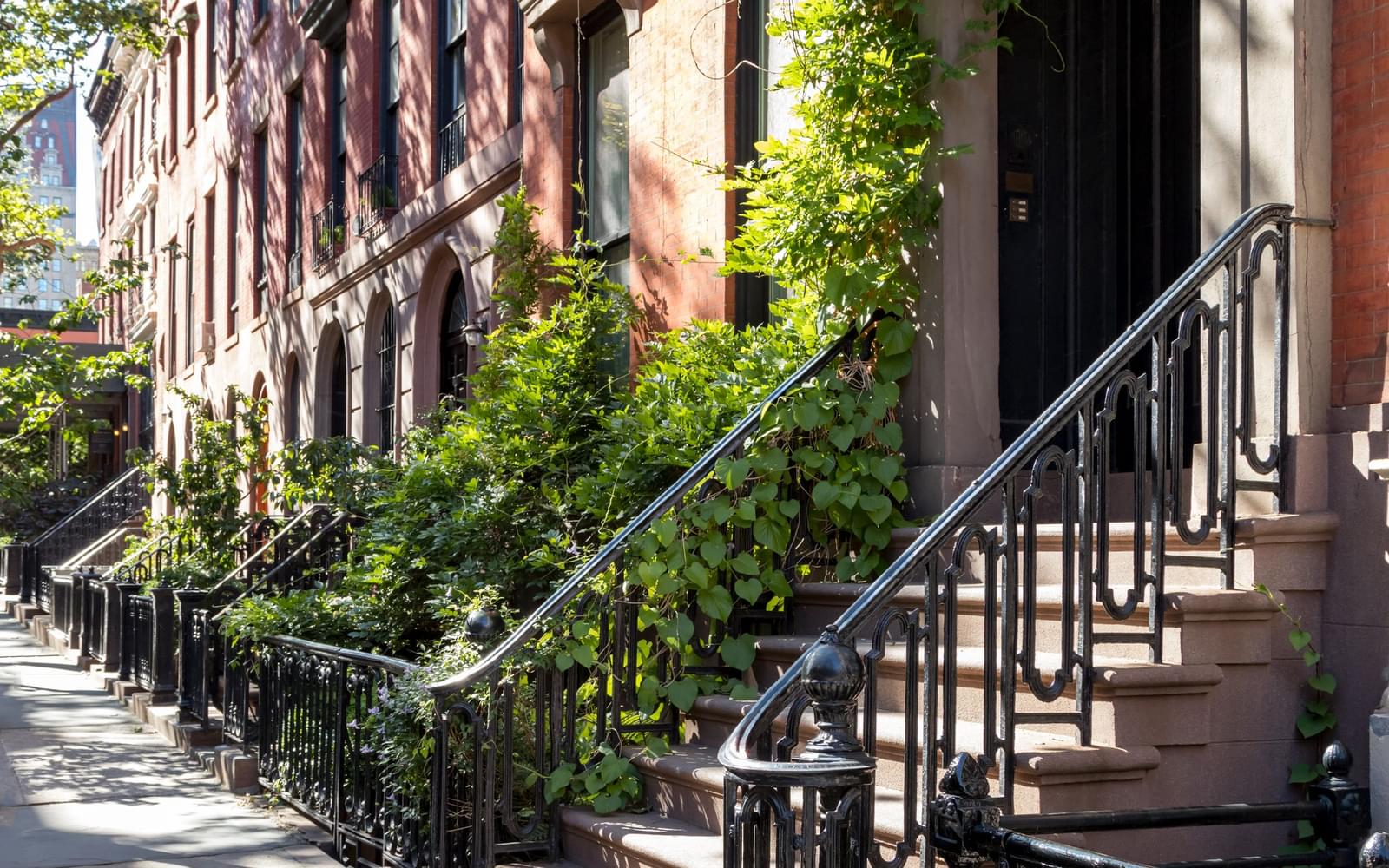
Carnegie Hill occupies the northern portion of the Upper East Side, generally stretching from East 86th Street to East 98th Street, between Fifth Avenue and just west of Third Avenue. Its identity centers on Museum Mile along Fifth Avenue, Central Park to the west, and a collection of cultural institutions and schools that have shaped the neighborhood for generations.
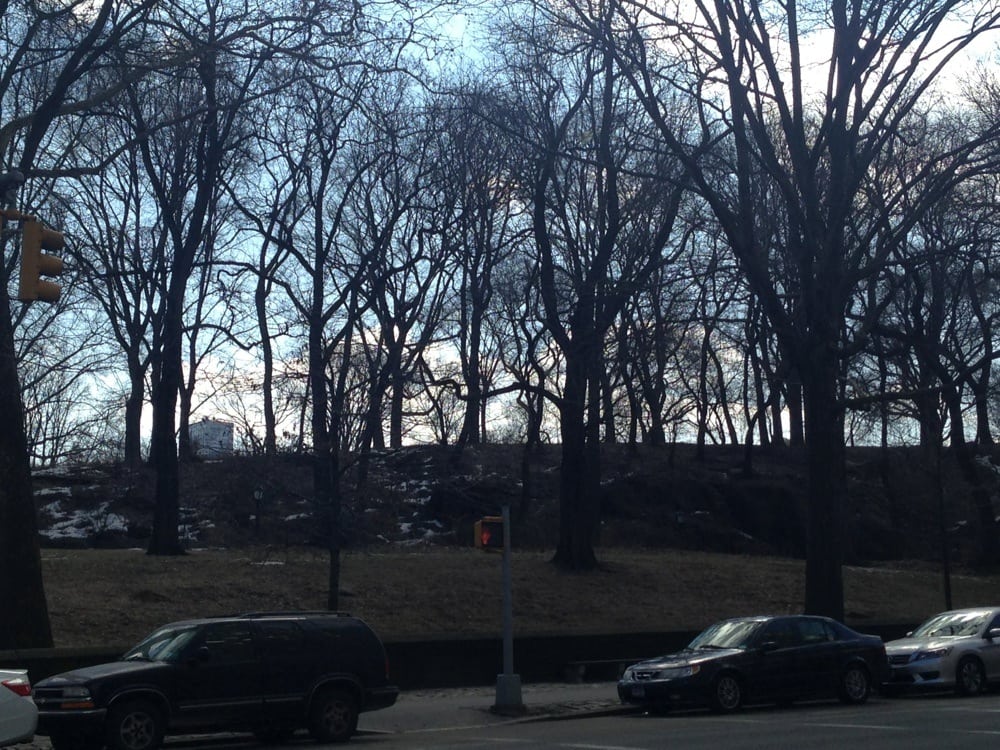
Central Park forms the neighborhood's western edge, while Fifth Avenue is lined with some of Manhattan's most distinguished apartment buildings. The Guggenheim Museum, the Cooper Hewitt Smithsonian Design Museum, the Jewish Museum, and the northern reaches of the Metropolitan Museum of Art anchor Museum Mile, giving the neighborhood a cultural presence matched by few residential areas in the city.
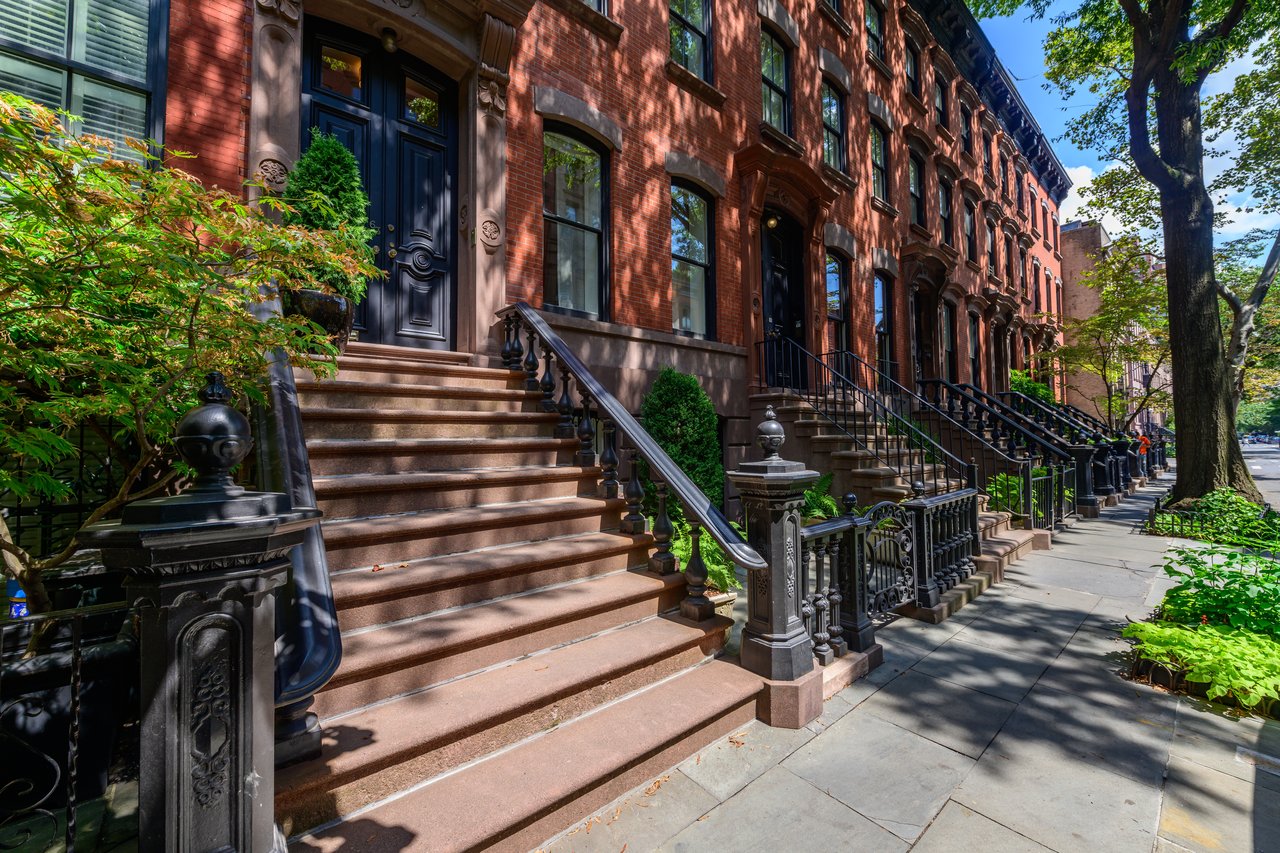
Away from Fifth Avenue, Carnegie Hill settles into a quieter rhythm. Madison Avenue serves as the neighborhood's commercial spine, filled with independent boutiques, neighborhood restaurants, cafés, and long-established local businesses. Side streets are lined with brownstones, townhouses, and elegant apartment houses that reinforce the area's residential character.
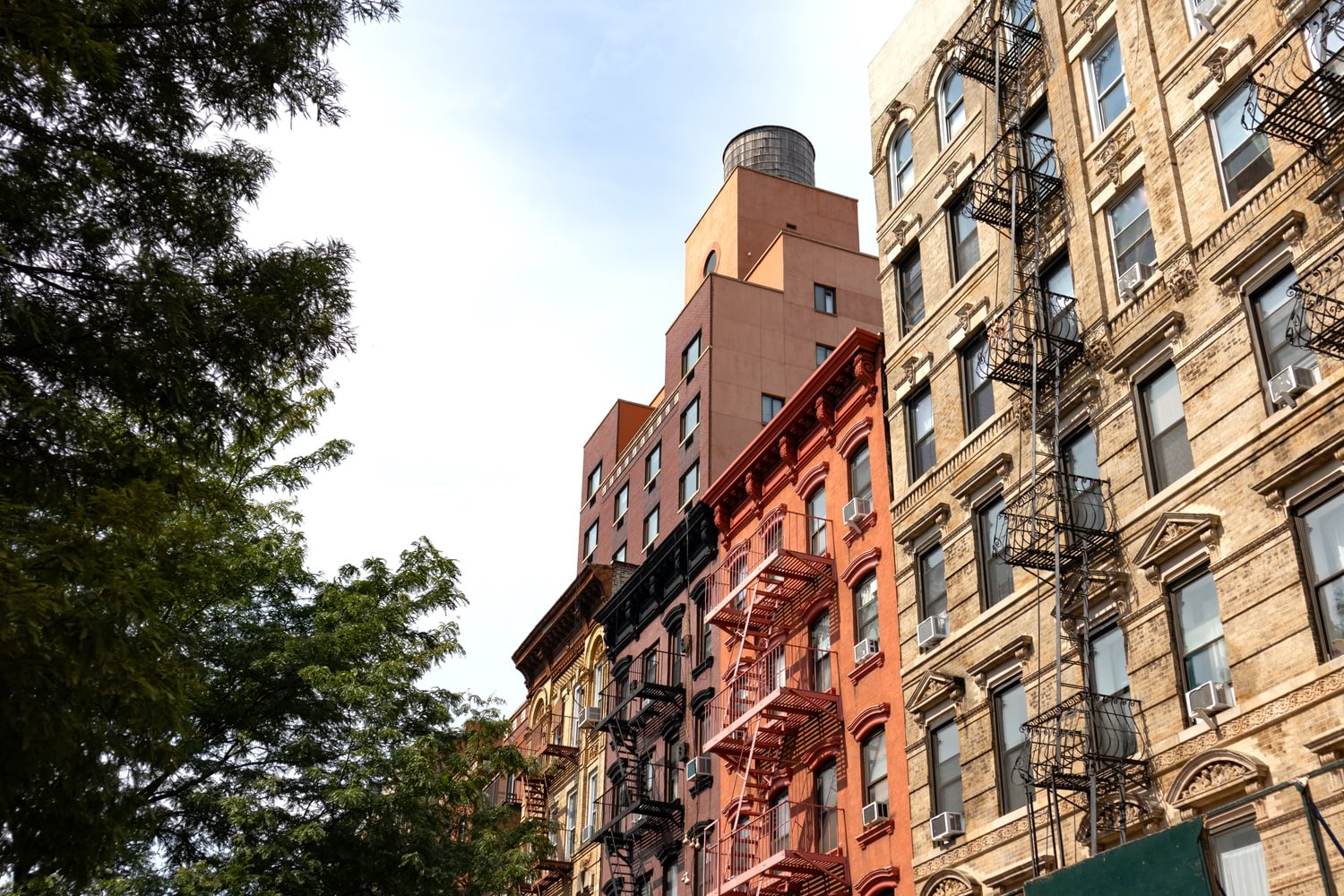
Carnegie Hill's housing stock falls into three primary categories.
The prewar cooperatives define the neighborhood. Park Avenue and Fifth Avenue are lined with distinguished buildings dating primarily from the 1920s through the 1940s. Many feature large floor plans, gracious entry galleries, wood-burning fireplaces, formal dining rooms, and layouts designed for long-term family living. Board approval remains an important part of purchasing in many of these buildings.
The townhouse inventory is among the most significant in Manhattan. Tree-lined side streets contain beautifully preserved brownstones, limestone townhouses, and former Gilded Age mansions, many located within the Carnegie Hill Historic District. These homes rarely trade and represent some of the neighborhood's most coveted properties.
The condominium market is comparatively limited. A handful of newer luxury buildings, along with select boutique developments and conversions, provide alternatives for buyers seeking condominium ownership without leaving the neighborhood. These buildings generally offer modern amenities while remaining modest in scale compared to newer developments elsewhere in Manhattan.
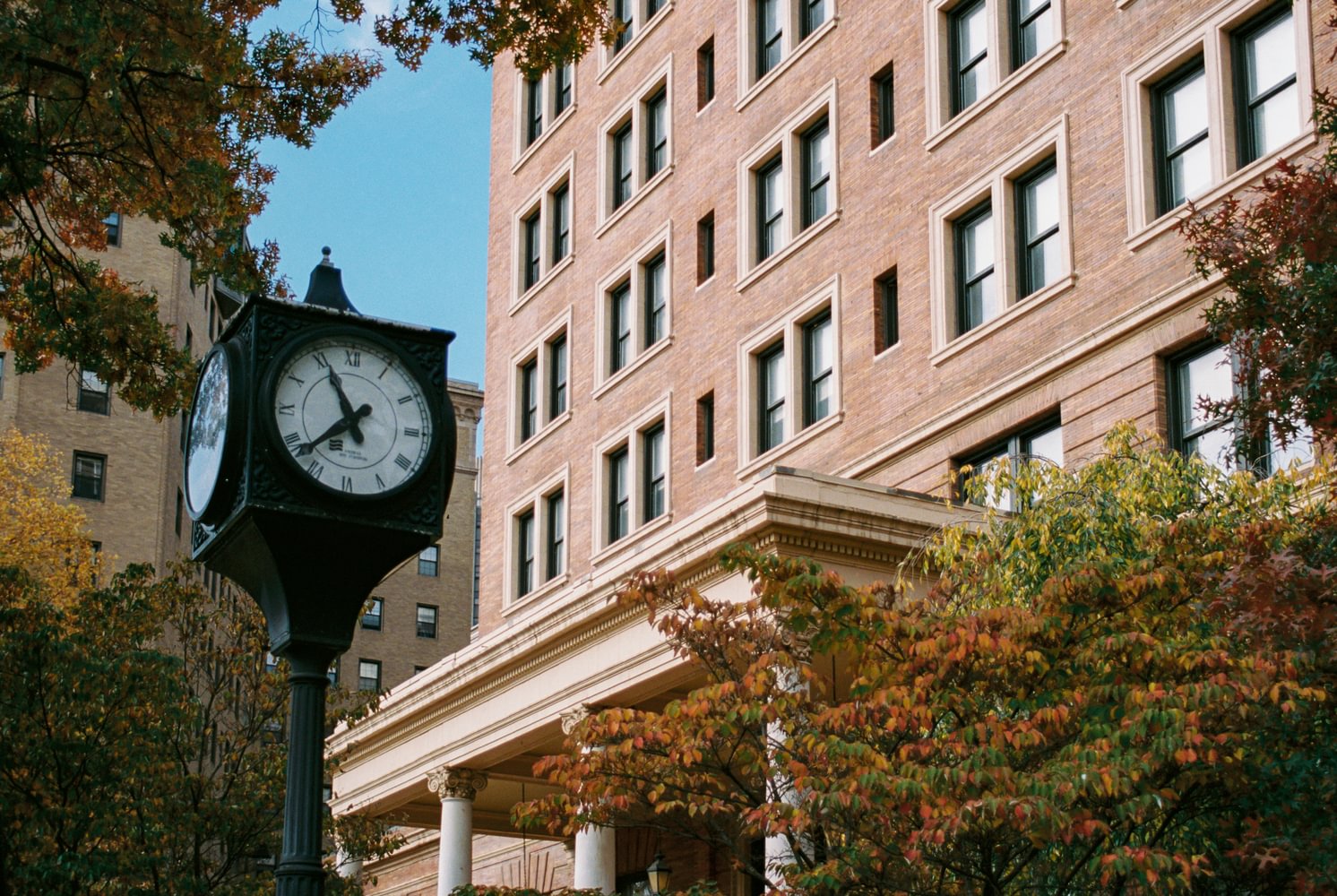
Carnegie Hill has seen relatively little large-scale residential development, and that is largely by design.
Historic district protections, landmarked streetscapes, and limited development sites have preserved much of the neighborhood's architectural character. While individual condominium projects and townhouse renovations continue to come to market, there are few opportunities for large ground-up residential towers comparable to those reshaping other parts of Manhattan.
For buyers, this limited pipeline helps preserve the neighborhood's consistency. The streetscape changes slowly, new inventory remains relatively scarce, and much of Carnegie Hill continues to look much as it has for decades.
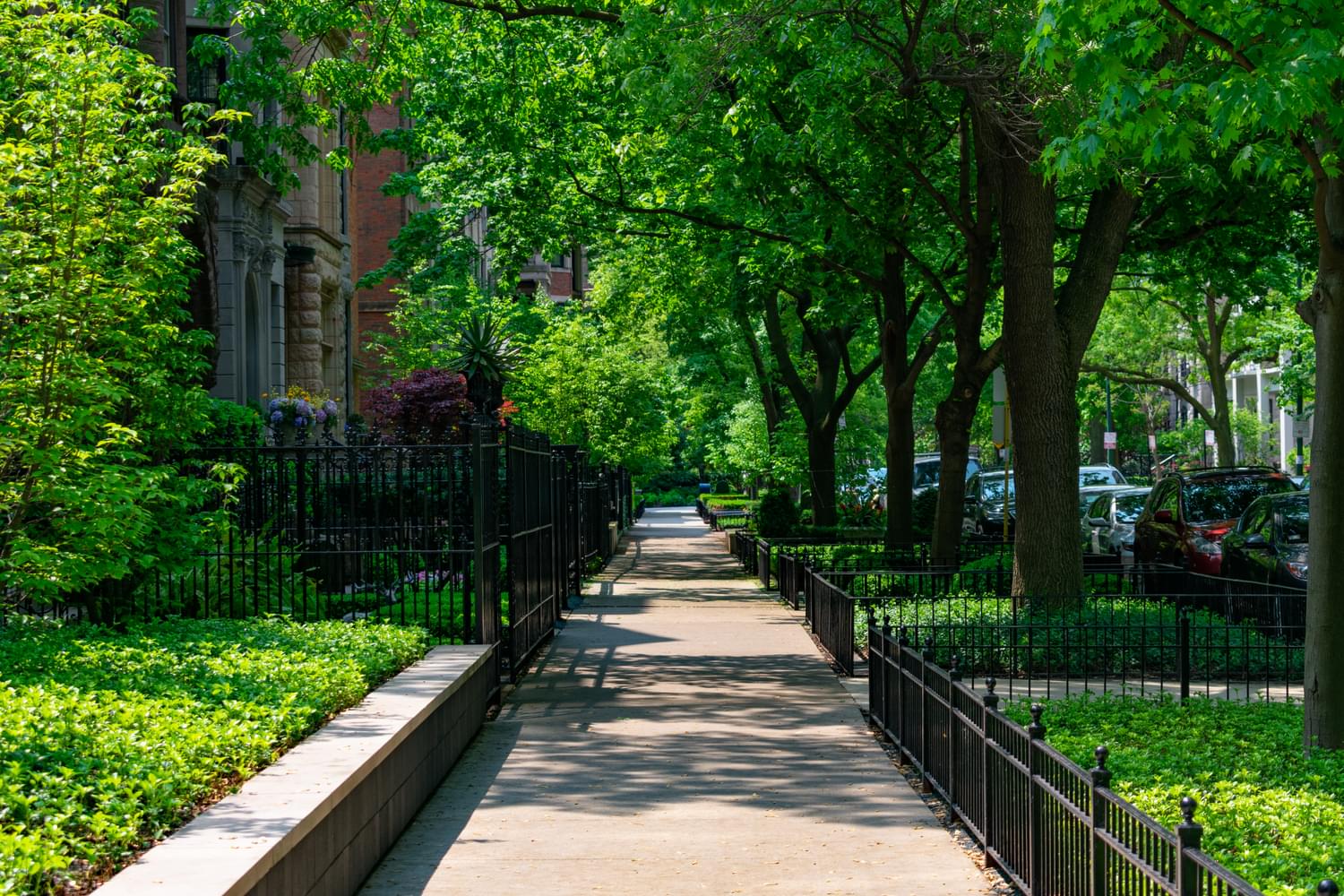
Carnegie Hill offers stability and character, but buyers should understand that those qualities come with trade-offs.
The neighborhood is heavily weighted toward cooperatives, meaning many of its most desirable buildings require extensive board approval and maintain strict ownership policies. Buyers seeking maximum flexibility for financing, rentals, or future investment may find fewer options than in newer condominium neighborhoods.
New development is also limited. Buyers prioritizing expansive amenity packages, floor-to-ceiling glass, or newly built residences will find a smaller selection than in Midtown, Hudson Yards, or the Upper West Side.
What Carnegie Hill offers instead is one of Manhattan's most enduring residential environments. The architecture is protected, the streets remain remarkably consistent, and daily life revolves around parks, museums, schools, and neighborhood institutions rather than tourism or nightlife.
For buyers looking for timeless Upper East Side living, few neighborhoods feel as established—or as quietly prestigious—as Carnegie Hill.
1,018 people live in Carnegie Hill, where the median age is 48 and the average individual income is $69,824. Data provided by the U.S. Census Bureau.
Total Population
Median Age
Population Density
Average individual Income
There's plenty to do around Carnegie Hill, including shopping, dining, nightlife, parks, and more. Data provided by Walk Score and Yelp.
Explore popular things to do in the area, including S & A 96 Candy Store, Delgos Produce, and Bazile Sauce.
| Name | Category | Distance | Reviews |
Ratings by
Yelp
|
|---|---|---|---|---|
| Dining | 0.41 miles | 0 reviews | 0/5 stars | |
| Dining | 0.43 miles | 0 reviews | 0/5 stars | |
| Dining | 0.43 miles | 0 reviews | 0/5 stars | |
| Dining · $$$$ | 0.92 miles | 12 reviews | 2.4/5 stars | |
| Dining | 0.96 miles | 0 reviews | 0/5 stars | |
| Dining | 1.03 miles | 0 reviews | 0/5 stars | |
| Dining | 1.08 miles | 0 reviews | 0/5 stars | |
| Shopping | 0.22 miles | 0 reviews | 0/5 stars | |
| Shopping | 0.52 miles | 1 review | 5/5 stars | |
| Shopping | 0.78 miles | 1 review | 1/5 stars | |
| Shopping | 1.09 miles | 0 reviews | 0/5 stars | |
| Shopping | 1.11 miles | 0 reviews | 0/5 stars | |
| Active | 0.36 miles | 0 reviews | 0/5 stars | |
| Active | 0.65 miles | 0 reviews | 0/5 stars | |
| Active | 0.74 miles | 0 reviews | 0/5 stars | |
| Active | 1.01 miles | 0 reviews | 0/5 stars | |
| Beauty | 0.4 miles | 0 reviews | 0/5 stars | |
| Beauty | 0.72 miles | 0 reviews | 0/5 stars | |
| Beauty | 0.78 miles | 0 reviews | 0/5 stars | |
| Beauty | 0.89 miles | 0 reviews | 0/5 stars | |
| Beauty | 0.91 miles | 0 reviews | 0/5 stars | |
| Beauty | 0.93 miles | 0 reviews | 0/5 stars | |
| Beauty | 0.96 miles | 0 reviews | 0/5 stars | |
|
|
||||
|
|
||||
|
|
||||
|
|
||||
|
|
||||
|
|
Carnegie Hill has 354 households, with an average household size of 3. Data provided by the U.S. Census Bureau. Here’s what the people living in Carnegie Hill do for work — and how long it takes them to get there. Data provided by the U.S. Census Bureau. 1,018 people call Carnegie Hill home. The population density is 319,376 and the largest age group is Data provided by the U.S. Census Bureau.
Total Population
Population Density Population Density This is the number of people per square mile in a neighborhood.
Median Age
Men vs Women
Population by Age Group
0-9 Years
10-17 Years
18-24 Years
25-64 Years
65-74 Years
75+ Years
Education Level
Total Households
Average Household Size
Average individual Income
Households with Children
With Children:
Without Children:
Blue vs White Collar Workers
Blue Collar:
White Collar:
140 Franklin Street New York, NY 10013
140 Franklin Street New York, NY 10013