Tribeca
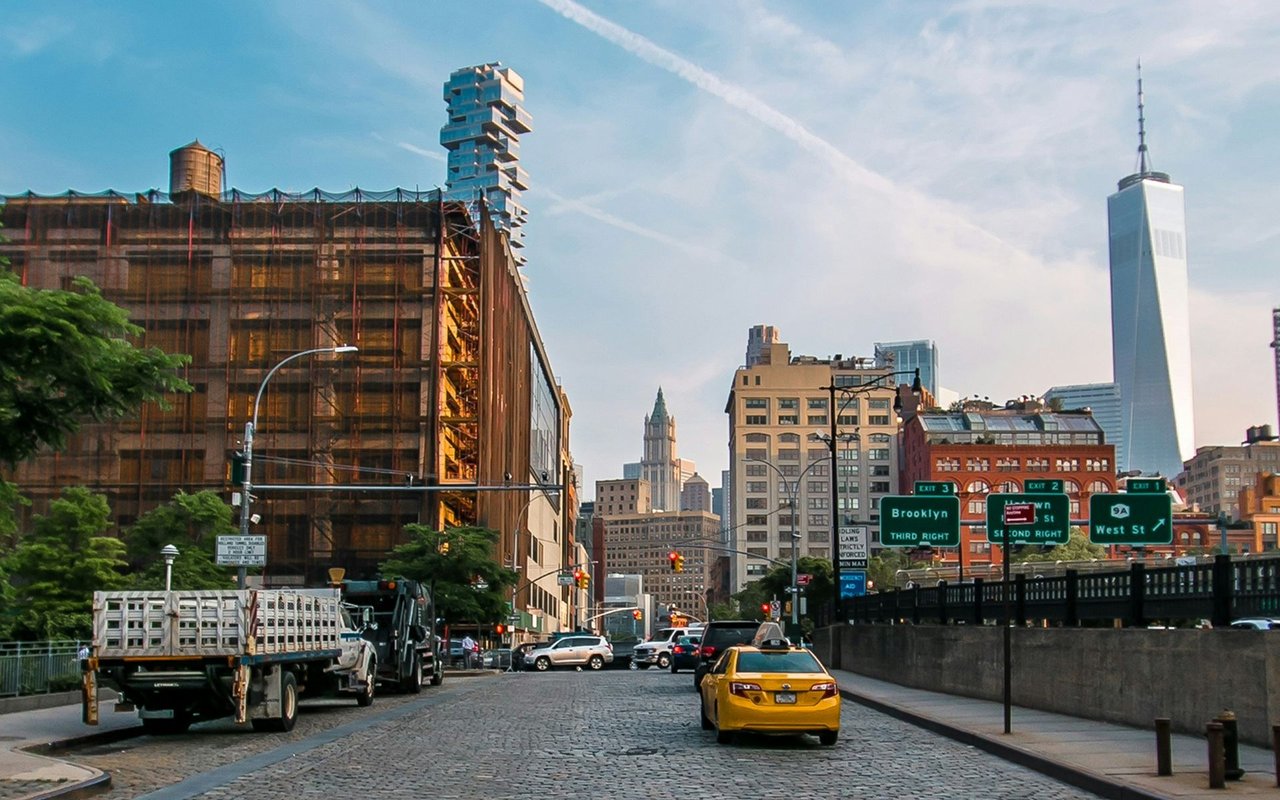
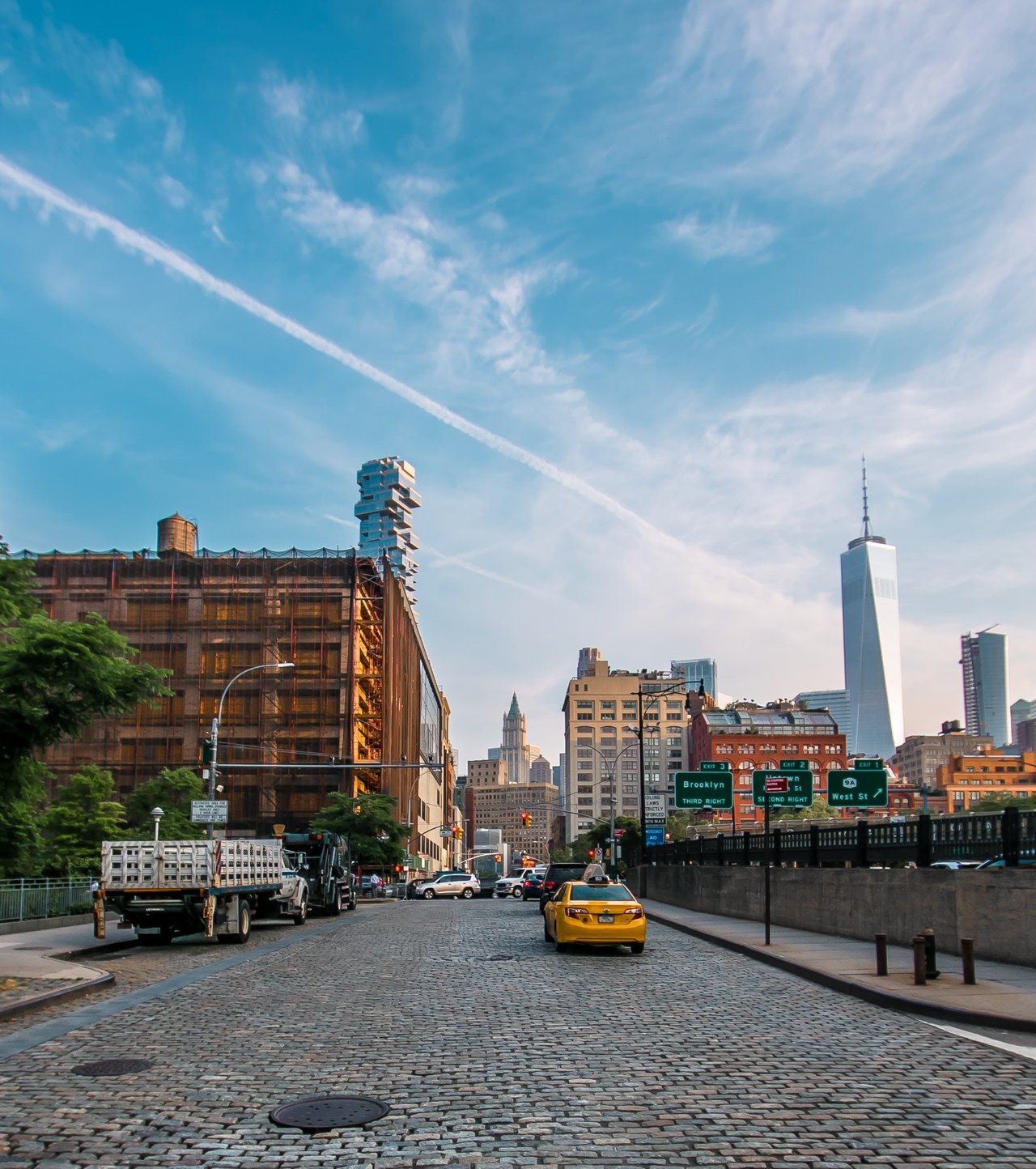
Cobblestones. Wide streets. Mid-rise architecture under historic protection. The Hudson at the western edge. The most residential neighborhood in lower Manhattan.
Tribeca is for discerning buyers who have already done the rest of downtown and want that energy, minus the chaos. The building stock runs the full spectrum from older lofts to marquee luxury, and that range is part of why buyers who land here tend to stay.
If that is you, the search starts here.
The cobblestones slow the city down. That is not accidental.
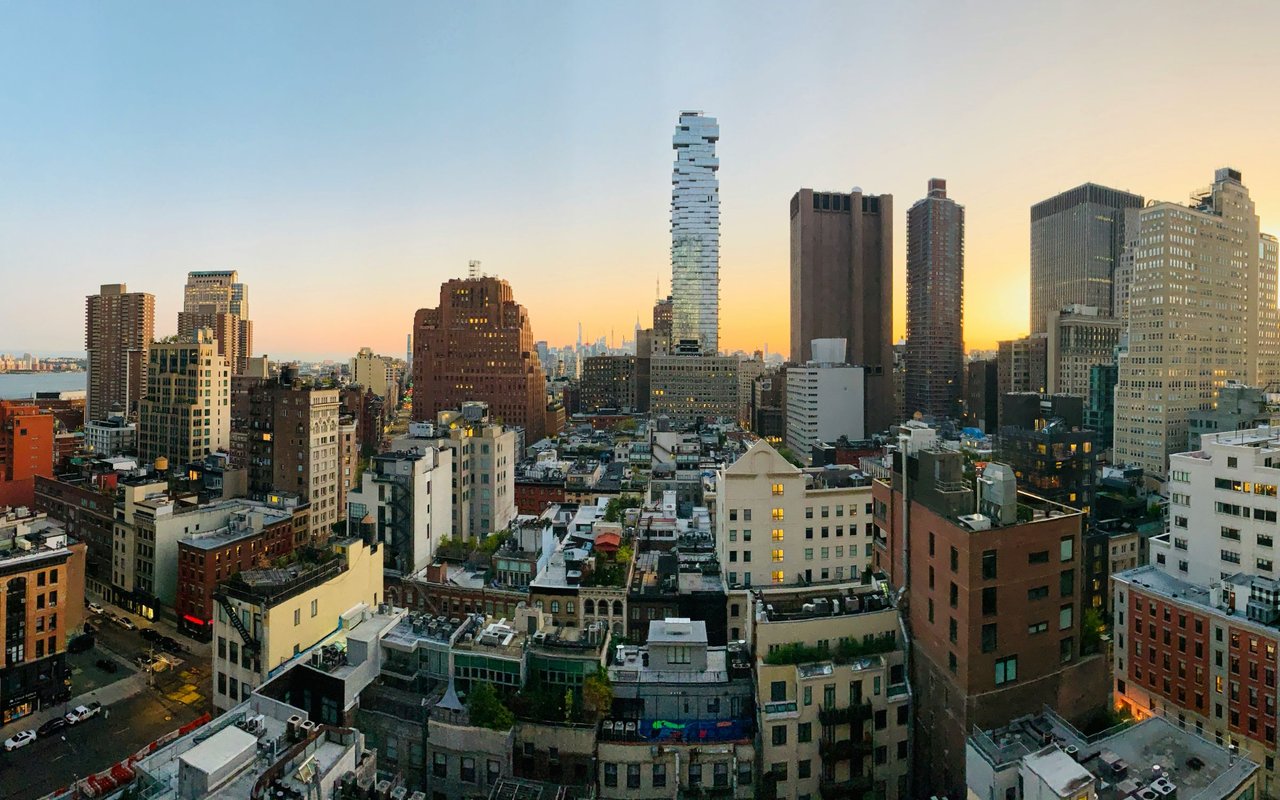
Tribeca runs on a different schedule than the rest of Manhattan. Mornings are quiet. The streets are wide and flat, the buildings mid-rise, the density genuinely low for downtown. By 9 a.m. it feels less like New York than like a residential pocket that happens to be inside it.
The northwest pocket along the Hudson is the most coveted. Five waterfront blocks with no obstruction. The architecture supports a level of privacy that is rare anywhere else in Manhattan: porte cochères, underground parking, interior courtyards, and a neighborhood culture that has internalized discretion as the default.
Dining anchors daily life. Locanda Verde, The Odeon, Frenchette, Bubby's, Marc Forgione. The neighborhood holds a serious restaurant scene without the lines and weekend chaos of SoHo or the West Village.
Hudson River Park is the front yard. Pier 25 for ballfields and the playground, Pier 26 for the dog park and kayaking, Pier 40 for the larger sports complex, all year-round.
The Tribeca Film Festival arrives every June and reshapes the neighborhood for two weeks. The rest of the year, the cultural draw is quieter. Galleries on Walker Street and along the eastern edge. Bookstores, design showrooms, the kind of retail that does not require foot traffic to survive.
The weekend test makes the difference clear. While SoHo is packed with shoppers and the West Village is overrun on Bleecker, Tribeca quiets down. Buyers who pay the premium here are paying for peace.
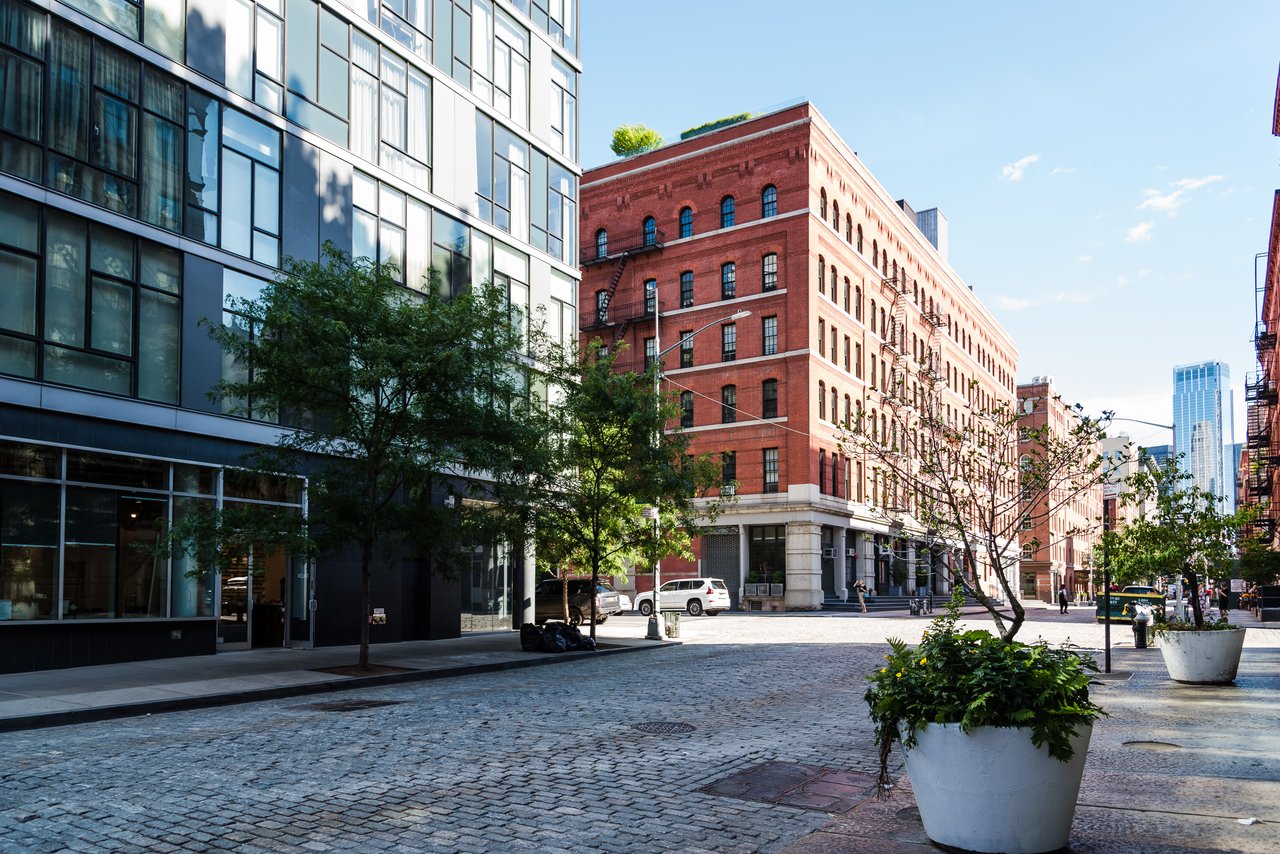
Two buildings set the standard the rest of downtown Manhattan measures itself against. 443 Greenwich Street, an 1882 Charles Haight bookbindery converted to 53 loft residences by CetraRuddy and Metro Loft in 2014. Underground parking, interior courtyard, the discretion that has made it one of the most coveted addresses in downtown Manhattan.
70 Vestry is the other anchor. A 46-residence Robert A.M. Stern building on the Hudson waterfront, completed in 2018, developed by Related Companies, interiors by Daniel Romualdez. French limestone, porte cochère, 8,000 square feet of wellness amenities.
Outside the marquee names, the inventory spans cast-iron lofts whose architectural character itself carries the value, mid-sized buildings with partial amenity packages, and the full-service condo tier on the southern edge anchored by 101 Warren and 111 Murray.
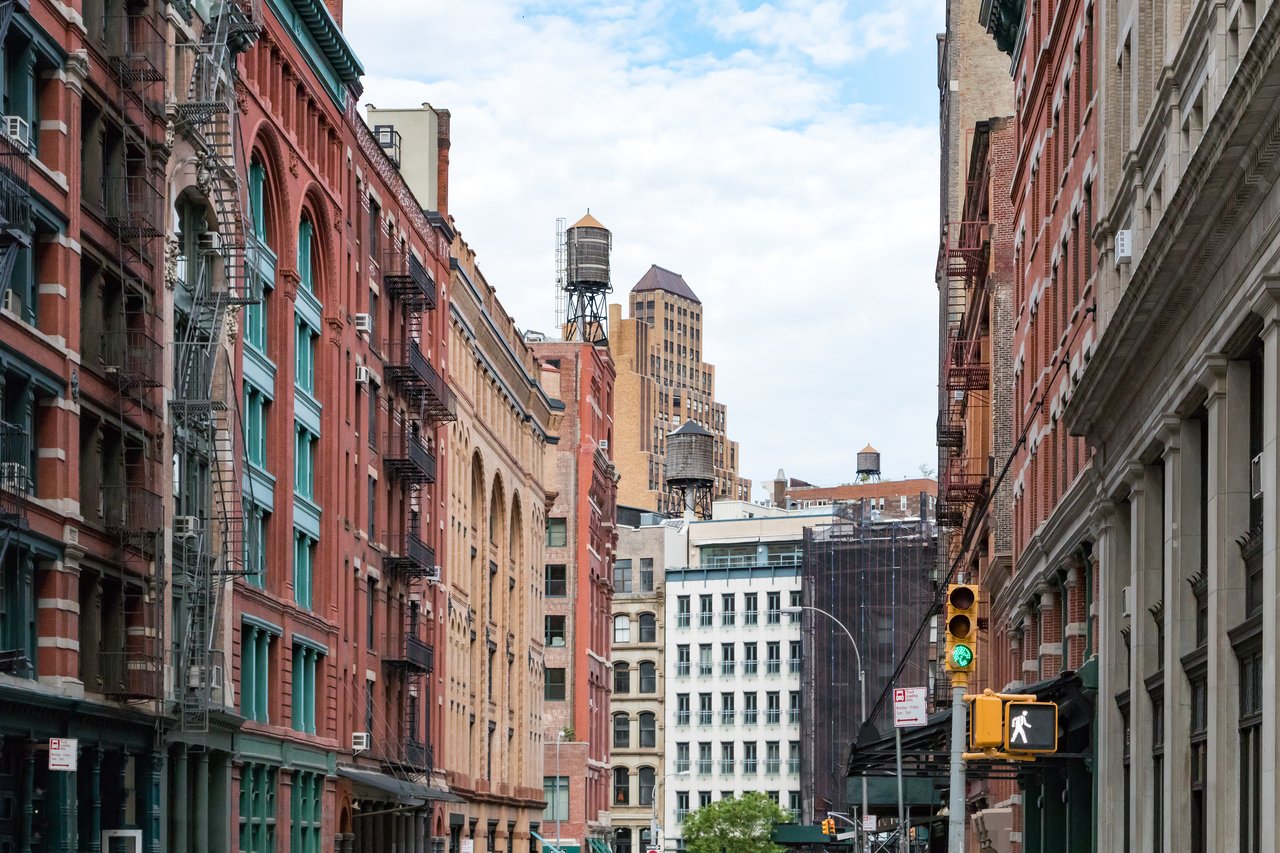
Tribeca is immune to the waves of new development that take over neighboring areas. The footprint is too small, the landmark protections too tight, and the existing residents too settled. When significant projects do arrive, they come from top-tier creative teams. Two are worth knowing about now.
101 Franklin Street. A 21-story office-to-residential conversion across from 56 Leonard, designed by Steven Harris Architects with interiors by Rees Roberts and Partners. 72 condo residences. Skylight, Cannon Hill, and TPG are co-developing. In development.
80 West Broadway. A 14-story boutique condo project by COOKFOX Architects, developed by Astral Weeks. 25 residences, averaging roughly 3,000 square feet each. In development.
For a neighborhood that adds almost nothing in most years, two projects of this caliber arriving together is unusual and worth tracking.
Tribeca commands a premium. The price is non-negotiable.
Active inventory in any given quarter is limited. The variety lives in the stock itself, across building categories. Buyers who want this neighborhood find a way by flexing across them: a cast-iron loft instead of a marquee condo, a mid-sized building with partial amenities instead of full-service, a smaller layout for the location they want. They rarely flex on Tribeca itself.
If your timeline is compressed, we will tell you honestly what is realistic in the window you have.
Local Highlights
Eat & Drink
Restaurants, Cafés & Bars
Shop
Retail & Boutiques
Arts & Culture
Galleries, Museums & Venues
Wellness & Active
Fitness & Recreation
19,698 people live in Tribeca, where the median age is 41 and the average individual income is $216,472. Data provided by the U.S. Census Bureau.
Total Population
Median Age
Population Density
Average individual Income
There's plenty to do around Tribeca, including shopping, dining, nightlife, parks, and more. Data provided by Walk Score and Yelp.
Explore popular things to do in the area, including Dyer Heights GM, Control Theory Jiu Jitsu, and Vince Trained You.
| Name | Category | Distance | Reviews |
Ratings by
Yelp
|
|---|---|---|---|---|
| Shopping | 0.05 miles | 0 reviews | 0/5 stars | |
| Active | 0.26 miles | 0 reviews | 0/5 stars | |
| Active | 0.29 miles | 0 reviews | 0/5 stars | |
| Active | 0.31 miles | 0 reviews | 0/5 stars | |
| Active | 0.36 miles | 0 reviews | 0/5 stars | |
| Active | 0.37 miles | 0 reviews | 0/5 stars | |
| Active | 0.47 miles | 0 reviews | 0/5 stars | |
| Beauty | 0.34 miles | 1 review | 5/5 stars | |
| Beauty | 0.37 miles | 0 reviews | 0/5 stars | |
|
|
||||
|
|
||||
|
|
||||
|
|
||||
|
|
||||
|
|
Tribeca has 8,819 households, with an average household size of 2. Data provided by the U.S. Census Bureau. Here’s what the people living in Tribeca do for work — and how long it takes them to get there. Data provided by the U.S. Census Bureau. 19,698 people call Tribeca home. The population density is 64,728 and the largest age group is Data provided by the U.S. Census Bureau.
Total Population
Population Density Population Density This is the number of people per square mile in a neighborhood.
Median Age
Men vs Women
Population by Age Group
0-9 Years
10-17 Years
18-24 Years
25-64 Years
65-74 Years
75+ Years
Education Level
Total Households
Average Household Size
Average individual Income
Households with Children
With Children:
Without Children:
Blue vs White Collar Workers
Blue Collar:
White Collar:
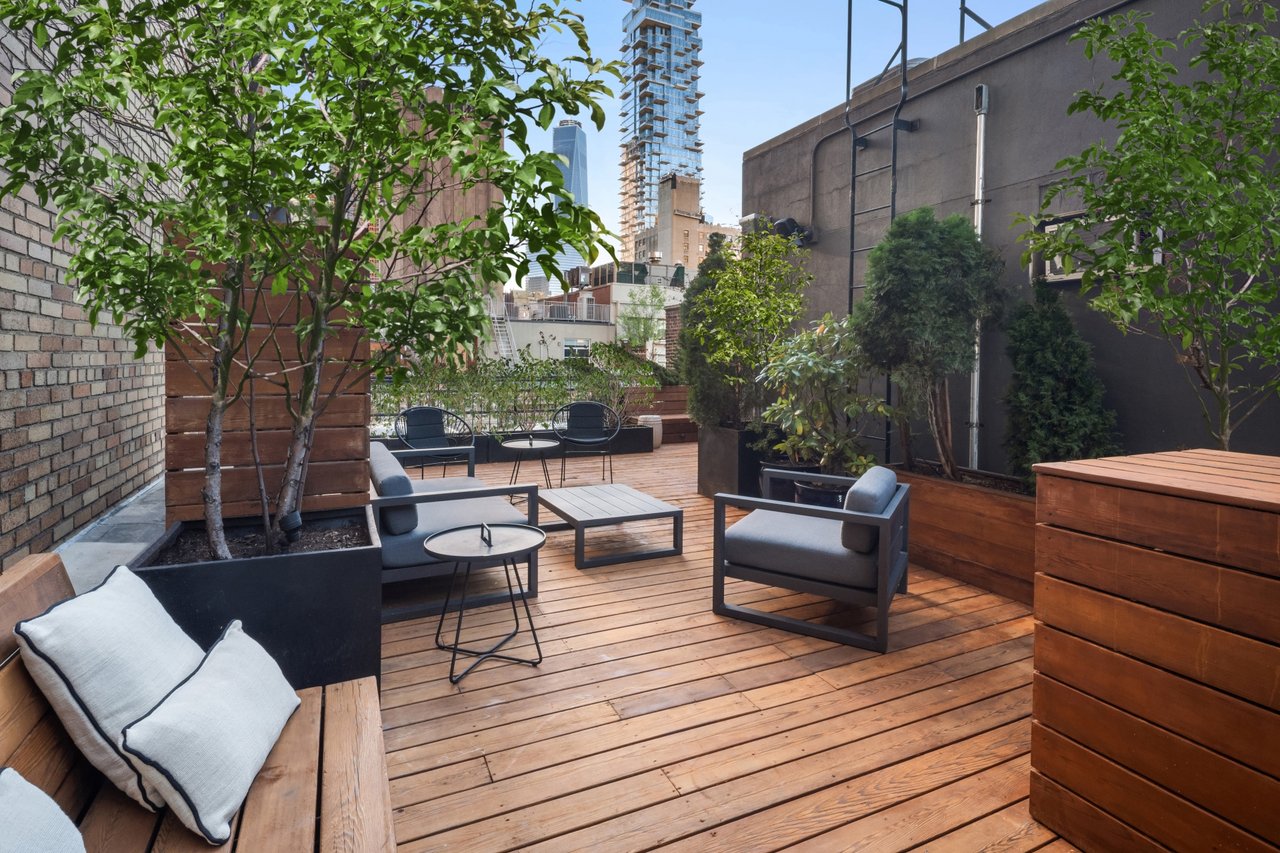
140 Franklin Street New York, NY 10013
140 Franklin Street New York, NY 10013


