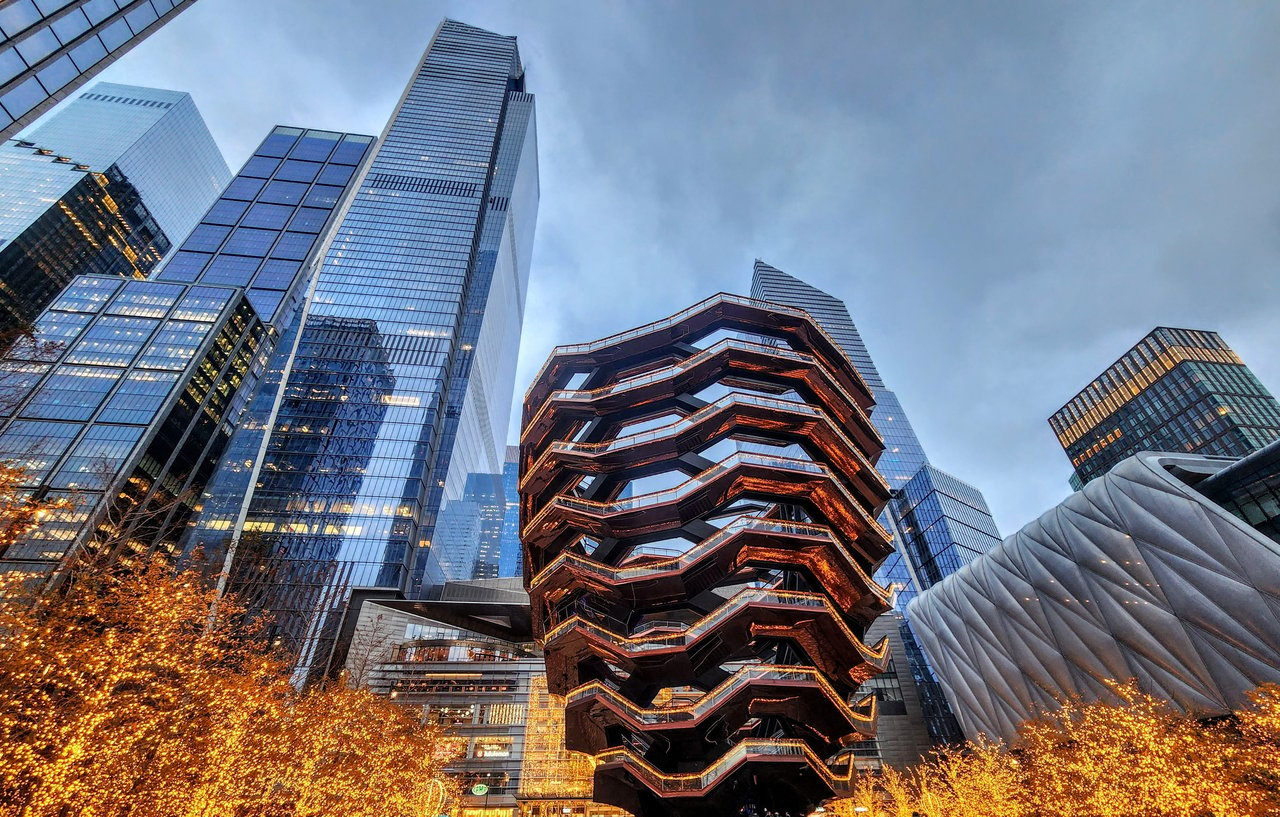
Hudson Yards
Built on a platform over the Long Island Rail Road tracks. Vertical, full-service, and engineered. A residential corridor designed all at once rather than built up over time.
The neighborhood was built. It did not evolve. The advantage is that the systems, the infrastructure, and the amenity packages all work the way they were designed to. New, clean, optimized - ideal for the buyer who values integration and practicality over all else.
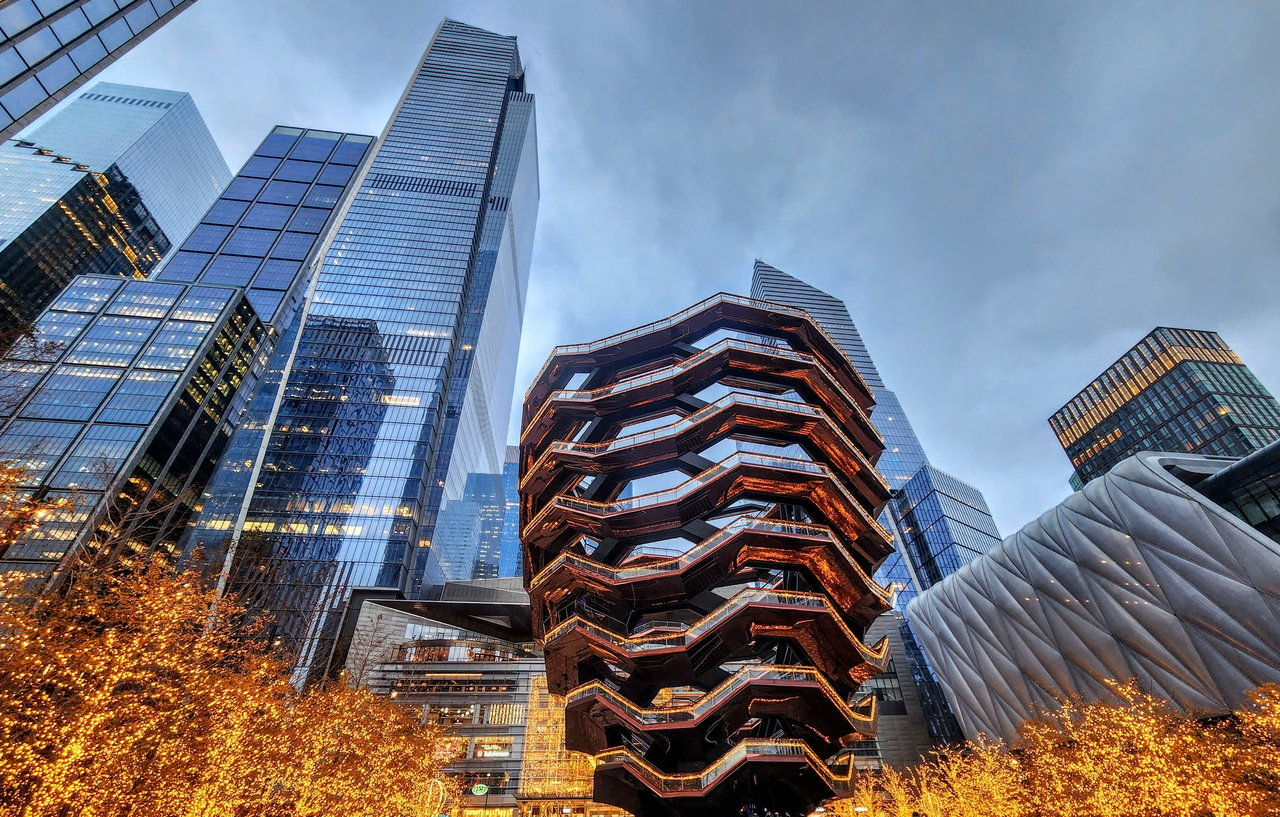
Hudson Yards occupies a 28-acre site on the far West Side, roughly from 30th to 34th Streets, west of Tenth Avenue to the Hudson River. The neighborhood opened in phases starting in 2019, with the Eastern Yard largely complete and the Western Yard now under construction.
The defining anchors are commercial, cultural, and infrastructural. The Shops at Hudson Yards. The Shed, a performance and arts venue with a deployable outer shell. The Edge observation deck. The High Line terminates at the southern edge of the neighborhood. The 7 train was extended specifically to serve the development.
The street-level texture is planned. Wide pedestrian plazas, programmed public art, and high-end retail anchor the ground floors. The neighborhood is busiest during weekday work hours and weekend tourist hours. Many of the people who use Hudson Yards do not live in it.
Dining and culture concentrate inside the Shops and around the public plazas. Mercado Little Spain. Estiatorio Milos. Wild Ink. The food culture is largely contained within the development rather than spread across blocks of independent storefronts.
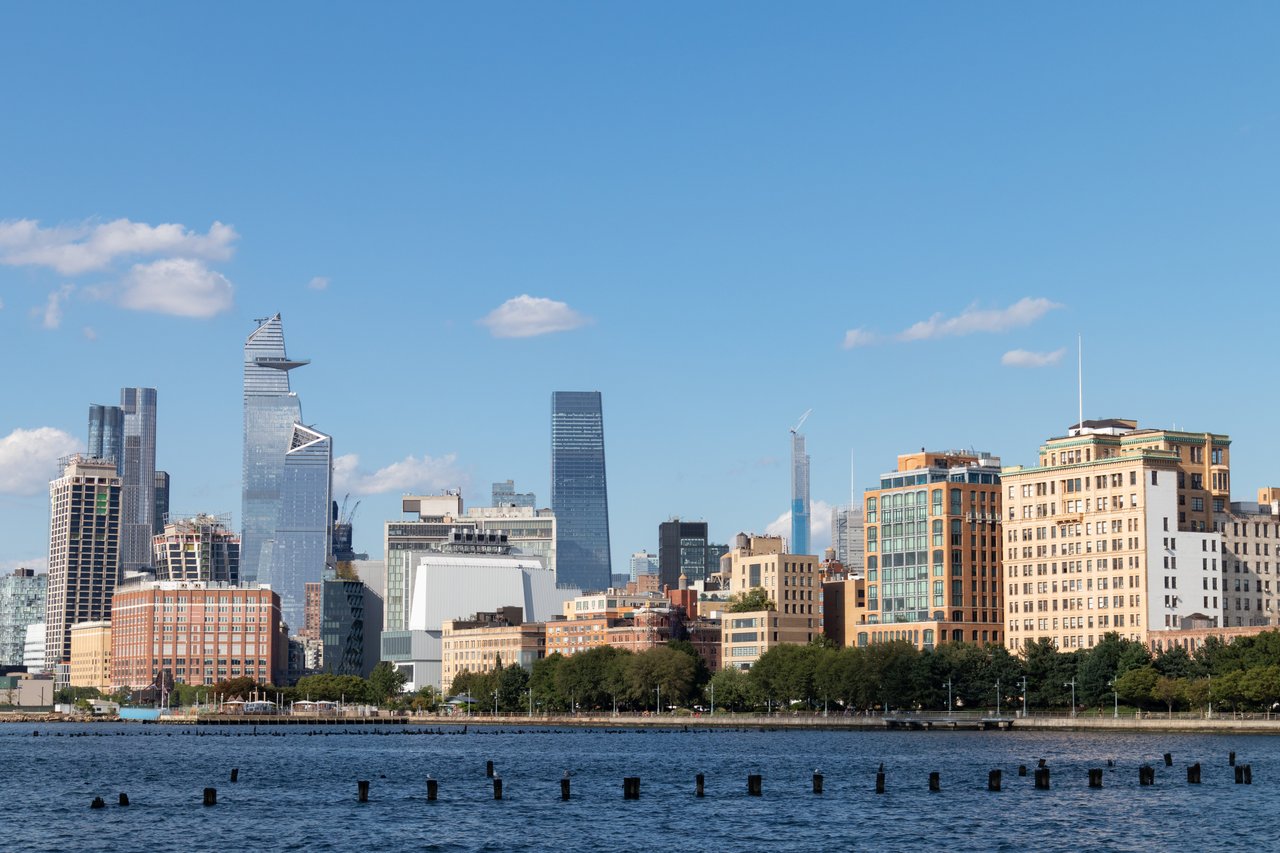
The residential stock at Hudson Yards is concentrated in two trophy condominium buildings.
15 Hudson Yards. Diller Scofidio + Renfro with Rockwell Group interiors. 88 stories, 285 residences, directly attached to The Shed and sitting at the southern edge of the development. The position gives the building permanently protected southern views over low-rise West Chelsea toward the Hudson and Lower Manhattan. Opened 2019.
35 Hudson Yards. David Childs of Skidmore, Owings & Merrill. 92 stories, 137 residences, the tallest residential building at Hudson Yards. Integrated with the flagship Equinox Hotel on the lower floors. Tony Ingrao interiors. Opened 2019.
Each operates with a hotel-level service layer. Concierge, in-residence dining, integrated spa and fitness. The buildings are not co-ops. There is no equivalent of the prewar co-op tradition here, which is part of what attracts a specific buyer profile.
The Western Yard, currently under construction, will add residential capacity in the coming years, but the trophy condominium tier at Hudson Yards is defined right now by these two buildings.
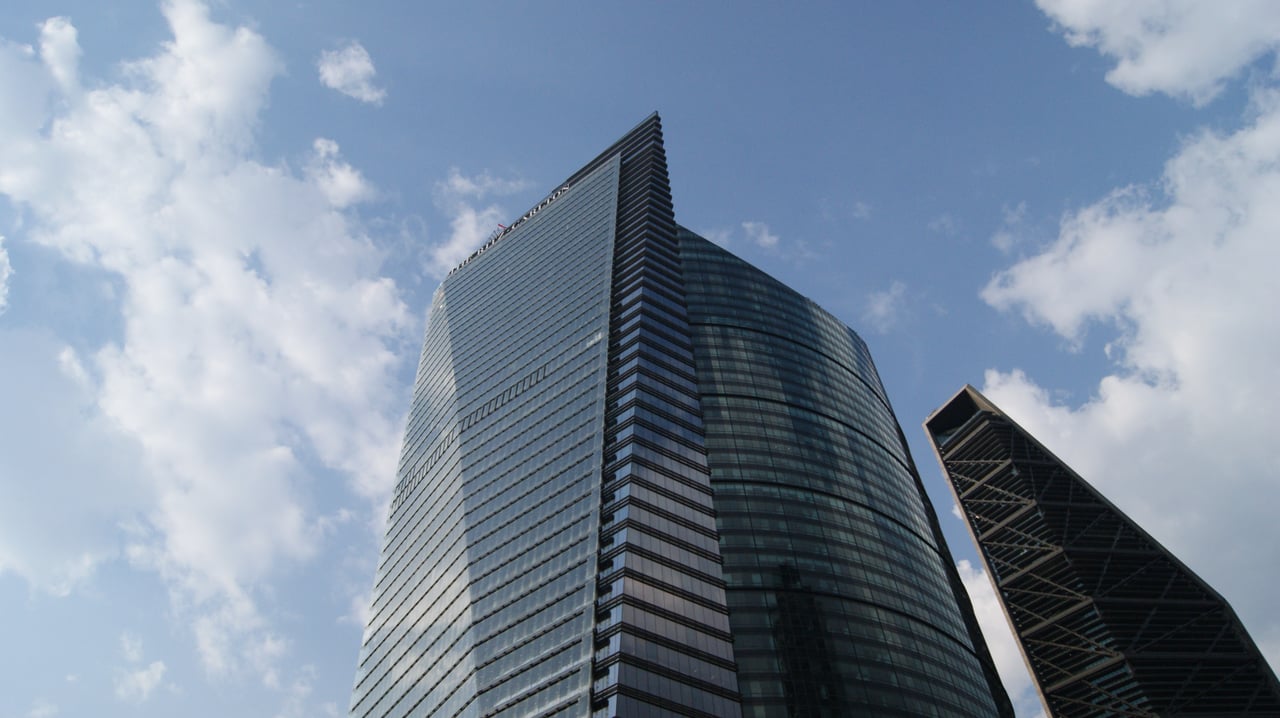
The neighborhood is engineered, not organic. Buyers who want the layered, accidental texture of a downtown loft block or an Upper West Side brownstone street will not find that at Hudson Yards. The plazas, the storefronts, the public art, all of it was designed at once.
The neighborhood is most active during weekday work hours and weekend tourist traffic to the Shops, the Edge, and the High Line. The residential population is significant but proportionally small relative to the daily non-residential population.
Transit is excellent for the 7 train and the surrounding bus and ferry network, but the rest of Manhattan's subway lines require a transfer.
For the right buyer, none of this is a problem. The view positions at 15 and 35 Hudson Yards do not exist elsewhere in Manhattan at this elevation. The amenity package, the service integration, and the certainty of how the building functions are real value. The buyer who wants a building to operate at a hotel standard, every day, will find Hudson Yards delivers exactly that.
Local Highlights
Eat & Drink
Restaurants, Cafés & Bars
Shop
Retail & Boutiques
19,116 people live in Hudson Yards, where the median age is 35 and the average individual income is $116,611. Data provided by the U.S. Census Bureau.
Total Population
Median Age
Population Density
Average individual Income
There's plenty to do around Hudson Yards, including shopping, dining, nightlife, parks, and more. Data provided by Walk Score and Yelp.
Explore popular things to do in the area, including Winley Paul Foundation, Publishers Weekly, and Midtown Apparel.
| Name | Category | Distance | Reviews |
Ratings by
Yelp
|
|---|---|---|---|---|
| Shopping | 0.14 miles | 0 reviews | 0/5 stars | |
| Shopping | 0.14 miles | 0 reviews | 0/5 stars | |
| Shopping | 0.28 miles | 0 reviews | 0/5 stars | |
| Shopping | 0.33 miles | 0 reviews | 0/5 stars | |
| Active | 0.14 miles | 1 review | 5/5 stars | |
| Beauty | 0.26 miles | 0 reviews | 0/5 stars | |
| Beauty | 0.36 miles | 0 reviews | 0/5 stars | |
|
|
||||
|
|
||||
|
|
||||
|
|
||||
|
|
||||
|
|
Hudson Yards has 10,818 households, with an average household size of 1. Data provided by the U.S. Census Bureau. Here’s what the people living in Hudson Yards do for work — and how long it takes them to get there. Data provided by the U.S. Census Bureau. 19,116 people call Hudson Yards home. The population density is 76,096 and the largest age group is Data provided by the U.S. Census Bureau.
Total Population
Population Density Population Density This is the number of people per square mile in a neighborhood.
Median Age
Men vs Women
Population by Age Group
0-9 Years
10-17 Years
18-24 Years
25-64 Years
65-74 Years
75+ Years
Education Level
Total Households
Average Household Size
Average individual Income
Households with Children
With Children:
Without Children:
Blue vs White Collar Workers
Blue Collar:
White Collar:
140 Franklin Street New York, NY 10013
140 Franklin Street New York, NY 10013