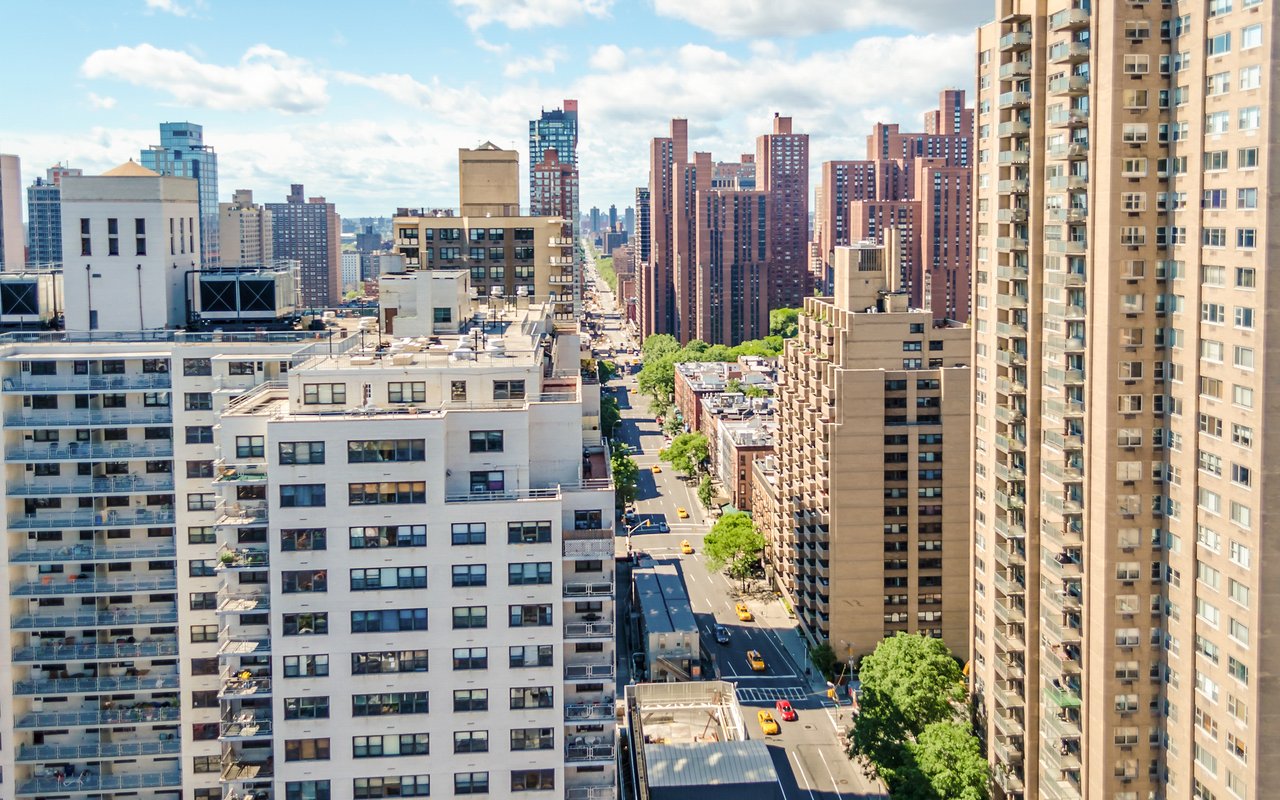
Yorkville
A residential Upper East Side neighborhood where classic prewar apartments, modern condominiums, and one of Manhattan's strongest neighborhood identities come together at a more accessible price point than Park or Fifth Avenue.
Yorkville is for buyers who want the Upper East Side lifestyle without paying exclusively for a Park or Fifth Avenue address.
The neighborhood attracts buyers looking for a true residential experience. Many come for the larger inventory, newer condominium options, and quieter side streets, while still remaining within walking distance of Central Park, Carl Schurz Park, and the rest of the Upper East Side.
The decision here is rarely about prestige. It is about finding the right balance between value, neighborhood feel, and long-term livability. Buyers are often choosing between a classic prewar cooperative, a postwar full-service building, or one of the many newer condominiums that have transformed portions of First and Second Avenues over the past two decades.
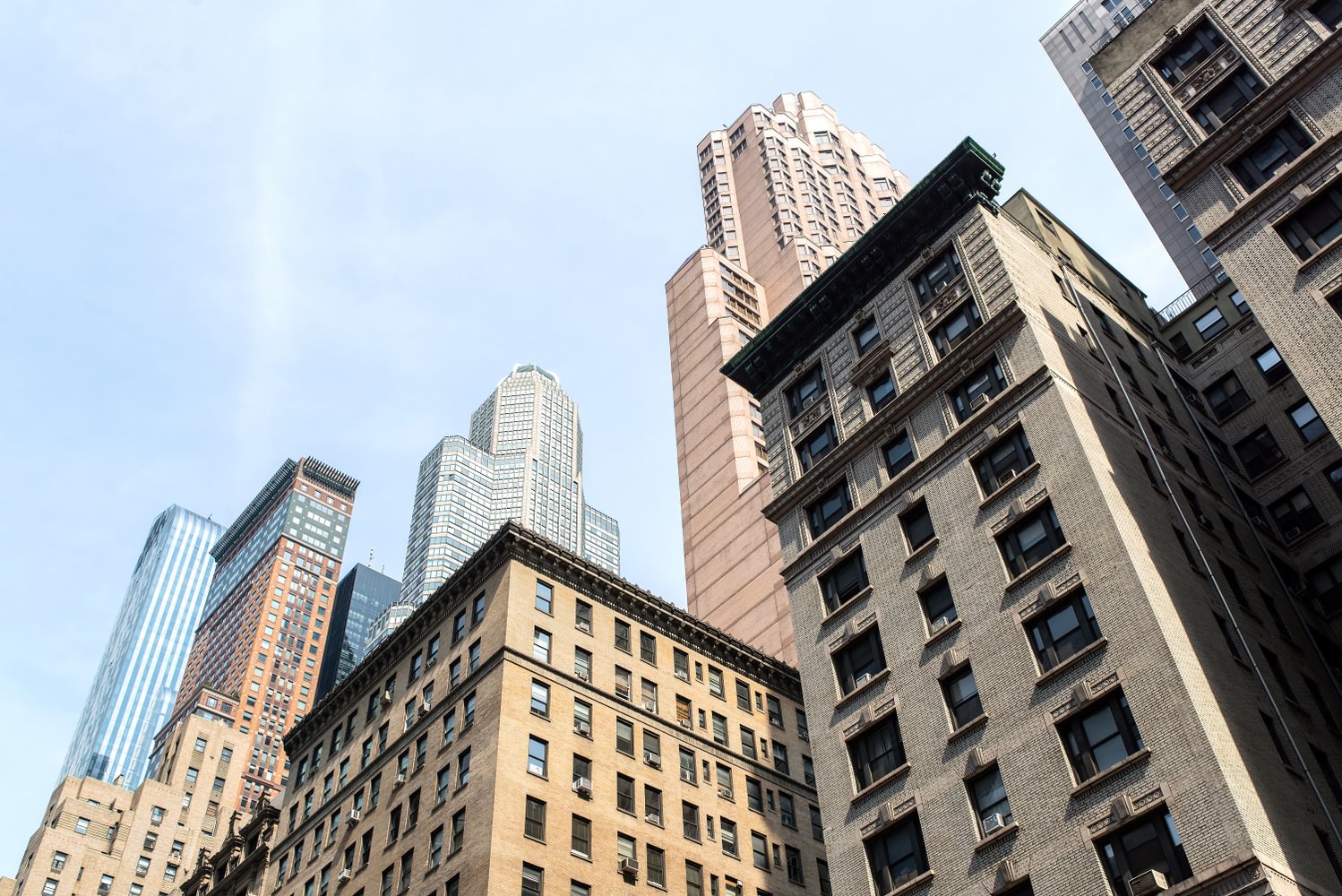
Yorkville generally stretches from East 79th Street to East 96th Street, east of Third Avenue to the East River, although many residents think of its heart as the corridor surrounding Second Avenue.
Historically home to large German, Hungarian, Czech, and Slovak immigrant communities, Yorkville has evolved into one of Manhattan's most established residential neighborhoods while retaining a distinctly local identity. Independent restaurants, neighborhood cafés, specialty food shops, and longtime businesses remain an important part of the streetscape, giving the area a more relaxed feel than many other parts of Manhattan.
The neighborhood changed significantly with the arrival of the Second Avenue Subway in 2017. The new Q line dramatically improved transportation access, shortened commutes, and increased demand throughout the eastern Upper East Side. Areas that once felt somewhat removed from the rest of Manhattan became substantially more connected.
Yorkville also benefits from its proximity to open space. Central Park borders the neighborhood to the west, while Carl Schurz Park and Gracie Mansion anchor the East River waterfront. Together they provide an unusual amount of green space for such a densely residential part of Manhattan.
Unlike neighborhoods built around tourism or office towers, Yorkville's daily rhythm revolves around residents. Schools, playgrounds, grocery stores, fitness studios, and neighborhood restaurants shape street life far more than destination retail or entertainment.
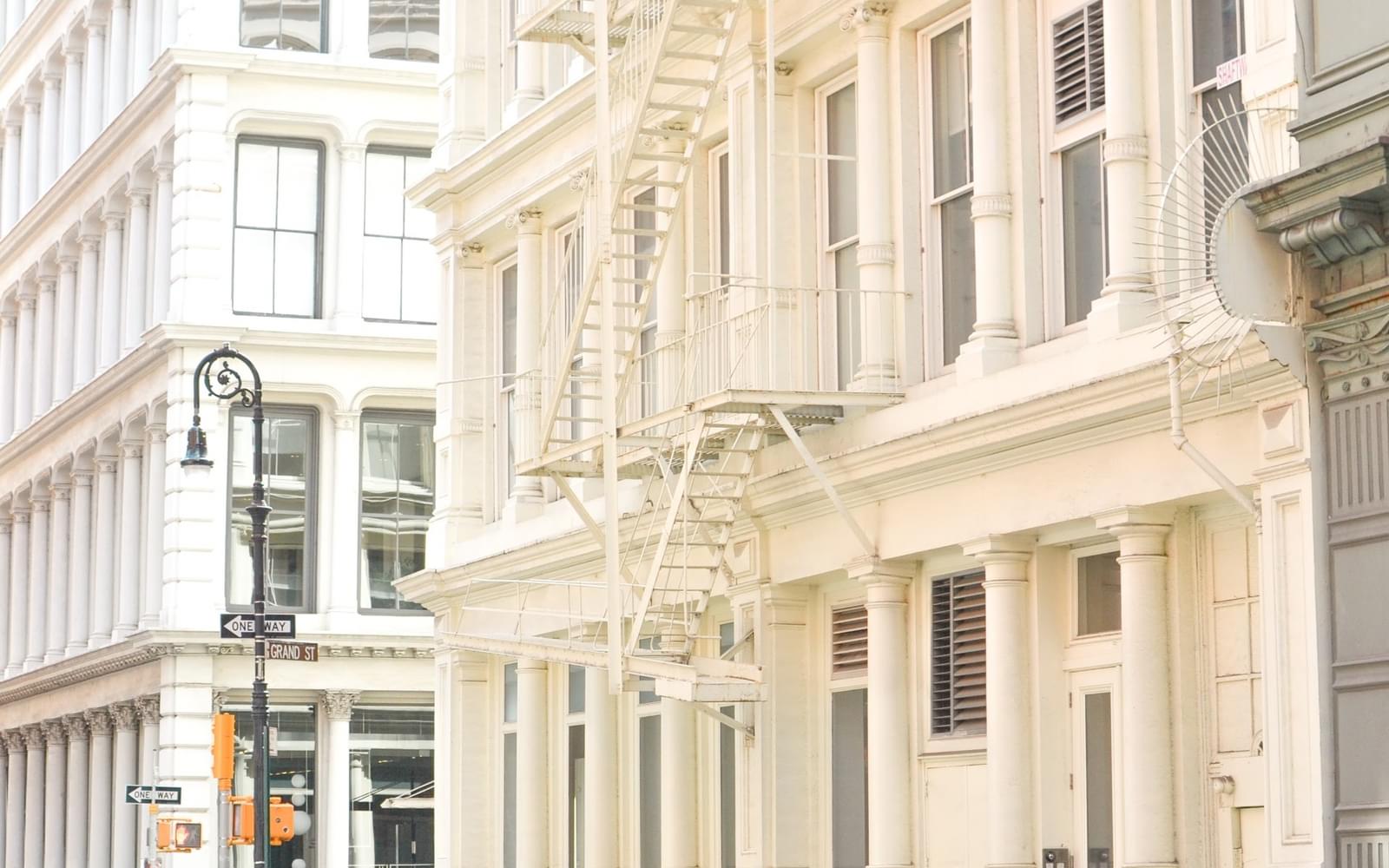
Yorkville offers one of the Upper East Side's most diverse residential inventories.
Prewar cooperatives remain the foundation of the neighborhood. Many buildings dating from the 1920s and 1930s feature generous layouts, original architectural details, and relatively approachable pricing compared to similar buildings closer to Central Park or Park Avenue. These buildings continue to attract buyers looking for long-term primary residences.
Postwar full-service buildings make up a significant portion of the housing stock, particularly along First and Second Avenues. Many offer full-time doormen, garages, private outdoor space, and larger amenity packages than earlier buildings, making them popular with families and professionals alike.
The condominium market has expanded considerably over the past twenty years. New developments such as The Kent, Citizen360, The Hayworth, and numerous boutique projects have introduced luxury amenities and modern floor plans while maintaining the neighborhood's predominantly residential scale. These buildings have broadened Yorkville's appeal to buyers seeking new construction without moving downtown or to Midtown.
The neighborhood also contains a limited number of townhouses and smaller walk-up buildings, particularly on quieter side streets, contributing to the area's architectural variety.
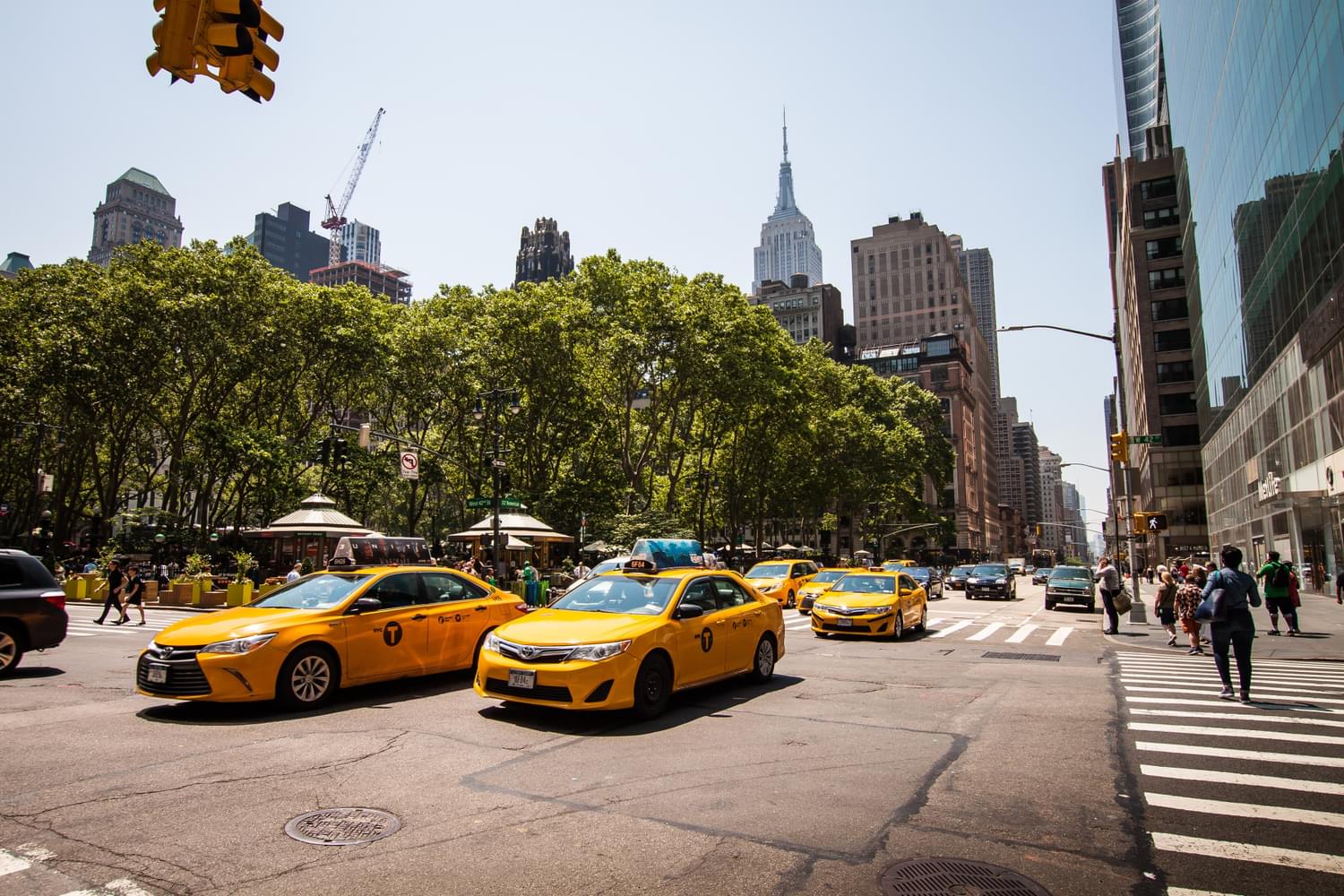
Yorkville continues to see measured residential development, though much of the rapid growth associated with the Second Avenue Subway has already occurred.
New condominium projects continue to emerge on individual development sites, particularly along Second Avenue and selected cross streets, while older rental and commercial properties are periodically replaced with boutique residential buildings. Compared to Hudson Yards or Midtown East, however, Yorkville's development pipeline is relatively modest and incremental.
Much of the neighborhood's future growth is expected to come through smaller infill projects rather than large-scale redevelopment, allowing Yorkville to retain its established residential character even as new housing is added.
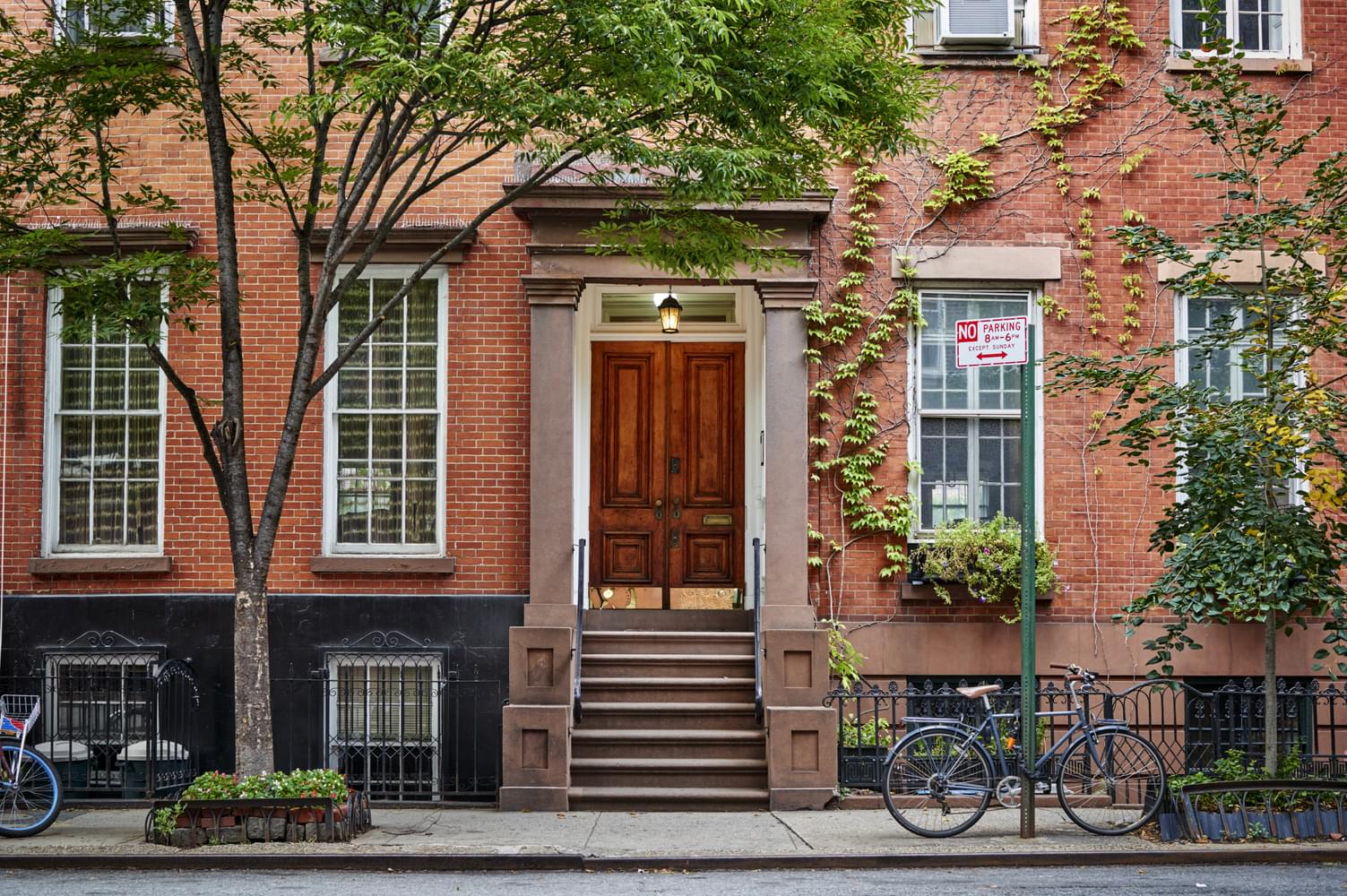
Yorkville offers a highly livable version of the Upper East Side, but buyers should understand what distinguishes it from neighborhoods farther west.
While the Second Avenue Subway has greatly improved transportation, much of the neighborhood remains farther from Central Park and Madison Avenue than Carnegie Hill or Lenox Hill. Depending on the exact address, buyers may trade some proximity to museums and luxury retail for a quieter, more neighborhood-oriented environment.
The architecture is also more varied. Elegant prewar cooperatives sit alongside postwar apartment buildings and modern glass condominiums, creating a streetscape that is less visually uniform than some of Manhattan's landmark districts.
For many buyers, those differences are precisely the appeal. Yorkville delivers the amenities, schools, restaurants, parks, and convenience that define the Upper East Side, often with more space and greater value than neighborhoods to the west.
For buyers looking for a neighborhood they can truly live in—not simply visit—Yorkville remains one of Manhattan's strongest residential markets.
80,137 people live in Yorkville, where the median age is 44 and the average individual income is $129,261. Data provided by the U.S. Census Bureau.
Total Population
Median Age
Population Density
Average individual Income
There's plenty to do around Yorkville, including shopping, dining, nightlife, parks, and more. Data provided by Walk Score and Yelp.
Explore popular things to do in the area, including Eli's Bread, Nika couture, and Restorsea, LLC.
| Name | Category | Distance | Reviews |
Ratings by
Yelp
|
|---|---|---|---|---|
| Dining · $$$$ | 0.17 miles | 12 reviews | 2.4/5 stars | |
| Shopping | 0.5 miles | 1 review | 5/5 stars | |
| Beauty | 0.29 miles | 0 reviews | 0/5 stars | |
|
|
||||
|
|
||||
|
|
||||
|
|
||||
|
|
||||
|
|
Yorkville has 43,027 households, with an average household size of 2. Data provided by the U.S. Census Bureau. Here’s what the people living in Yorkville do for work — and how long it takes them to get there. Data provided by the U.S. Census Bureau. 80,137 people call Yorkville home. The population density is 183,395 and the largest age group is Data provided by the U.S. Census Bureau.
Total Population
Population Density Population Density This is the number of people per square mile in a neighborhood.
Median Age
Men vs Women
Population by Age Group
0-9 Years
10-17 Years
18-24 Years
25-64 Years
65-74 Years
75+ Years
Education Level
Total Households
Average Household Size
Average individual Income
Households with Children
With Children:
Without Children:
Blue vs White Collar Workers
Blue Collar:
White Collar:
140 Franklin Street New York, NY 10013
140 Franklin Street New York, NY 10013

