East Village
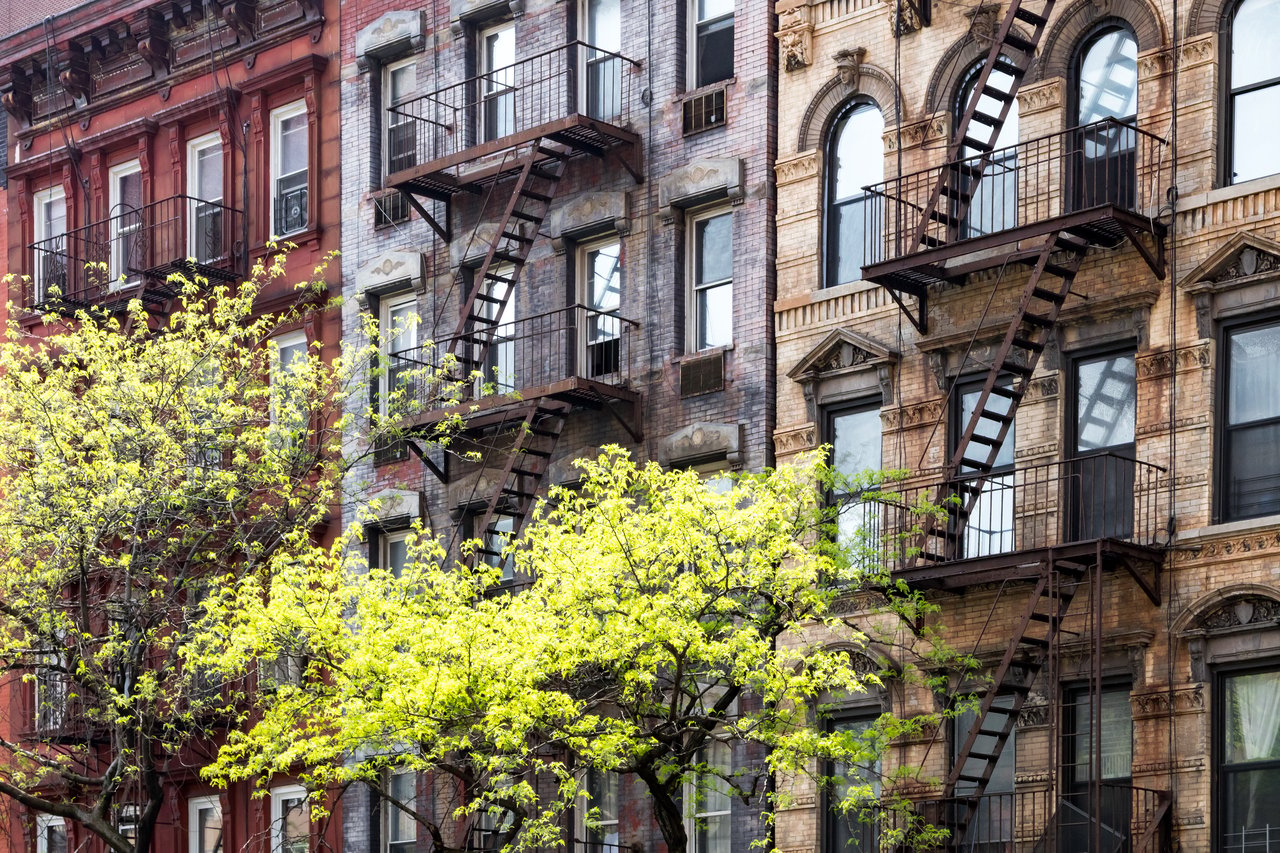
Tompkins Square Park at the center, Bowery to Avenue D across. Tenement architecture, deep cultural history, and one of the densest dining and music corridors in Manhattan.
East Village is often a starter Manhattan market for buyers who want to stay in the city without the price points of Tribeca, the West Village, or SoHo.
These buyers accept smaller floor plans, walk-ups, and a limited full-service tier in exchange for the Manhattan address and the cultural texture. Many graduate to larger residences, full-service buildings, or quieter neighborhoods as life evolves.
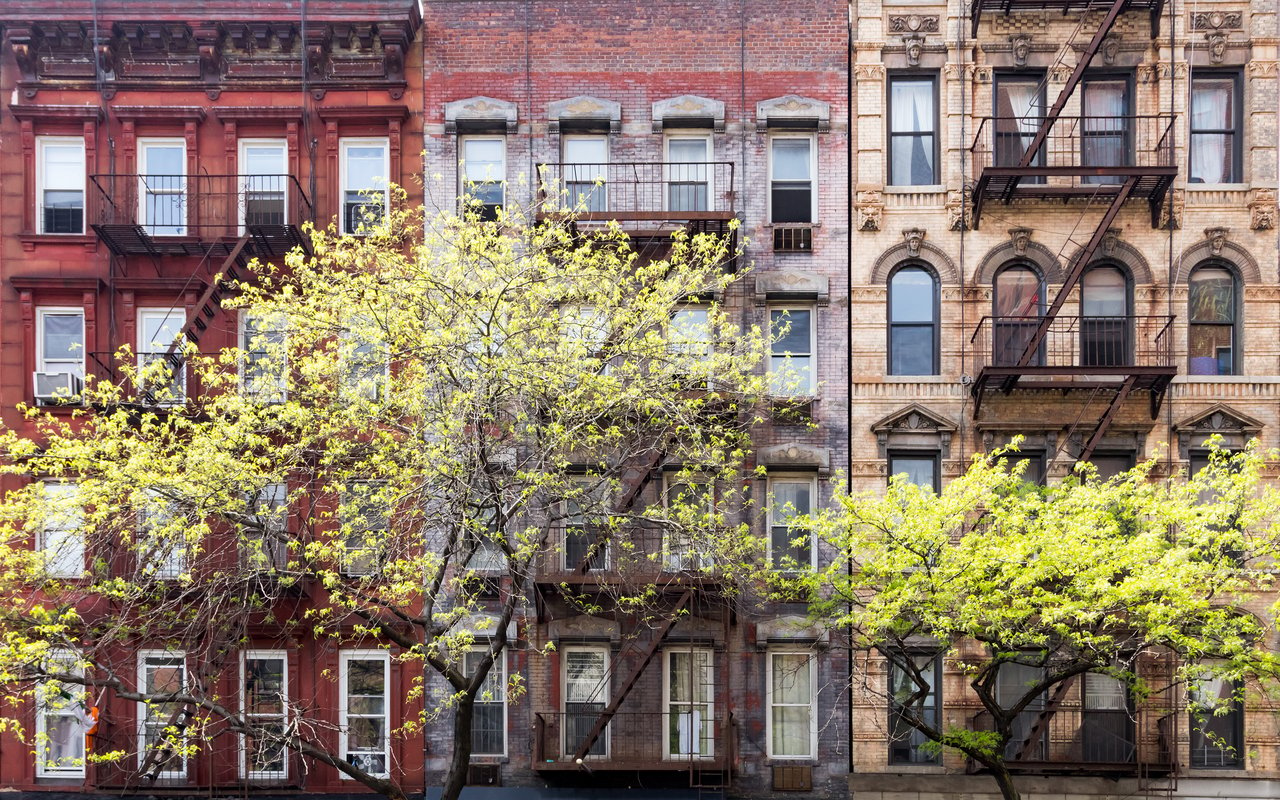
East Village runs from 14th Street south to Houston, between Bowery and Avenue D. Tompkins Square Park is the geographic and social anchor.
The cultural identity is unmistakable in any block of the neighborhood. Music venues, restaurants, galleries, and bars operate at street level seven days a week. The texture is bohemian, expressive, and energetic.
East Village broke off from the Lower East Side in the 1960s when artists, musicians, and writers moved in and created a culture distinct from the working-class blocks that preceded them. CBGB on the Bowery seeded the punk movement, and the visual-art genealogy ran through the East Village galleries of the 1980s. The lineage still shapes who buys here.
The sub-areas matter. The blocks west of First Avenue carry the highest residential density, with St. Marks Place running through as the historic spine. Alphabet City covers Avenues A through D east of First Avenue. The Bowery has transformed from its earlier reputation into a corridor of high-end condominiums anchored by the New Museum.
The cultural concentration runs through the food. Veselka, Café Mogador, Momofuku Noodle Bar, Apollo Bagels, Superiority Burger. The Polish and Ukrainian holdovers around East 7th. The Indian restaurants on East 6th. The Japanese food corridor on St. Marks.
Transit shapes the daily experience. The L train at First and Third Avenues connects to Williamsburg and Union Square. The 6 at Astor Place and the F at Second Avenue handle the rest. Buyers commuting to Midtown East, Union Square, Flatiron, or Brooklyn find the East Village friendly.
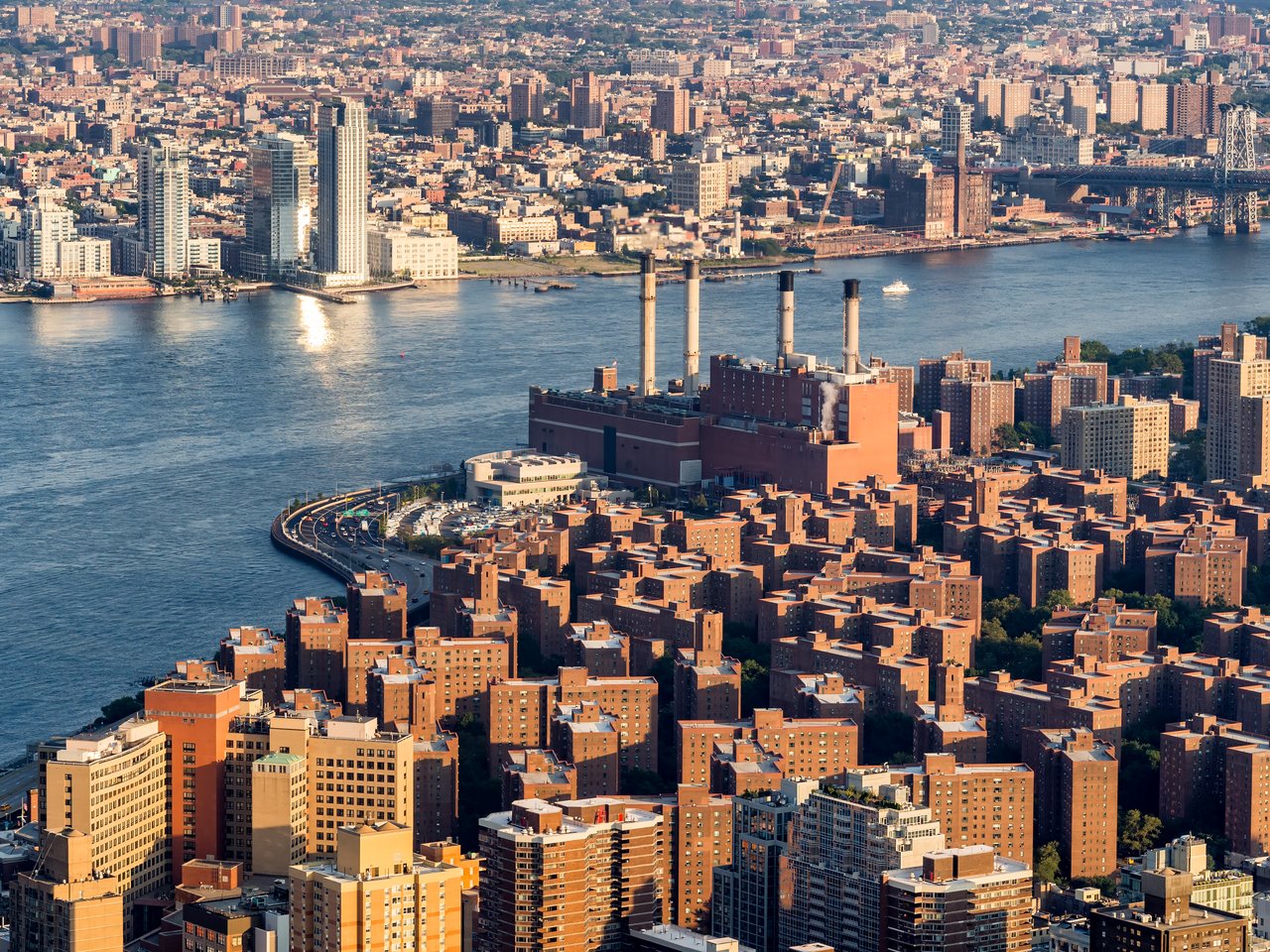
East Village inventory does not look like prewar Upper East Side or Sutton Place. A handful of boutique new developments have come on over the last twenty years. A few notable prewar full-service co-ops are known to the neighborhood. Tenement buildings dominate the streetscape. Most operate as rental; the for-sale share is small.
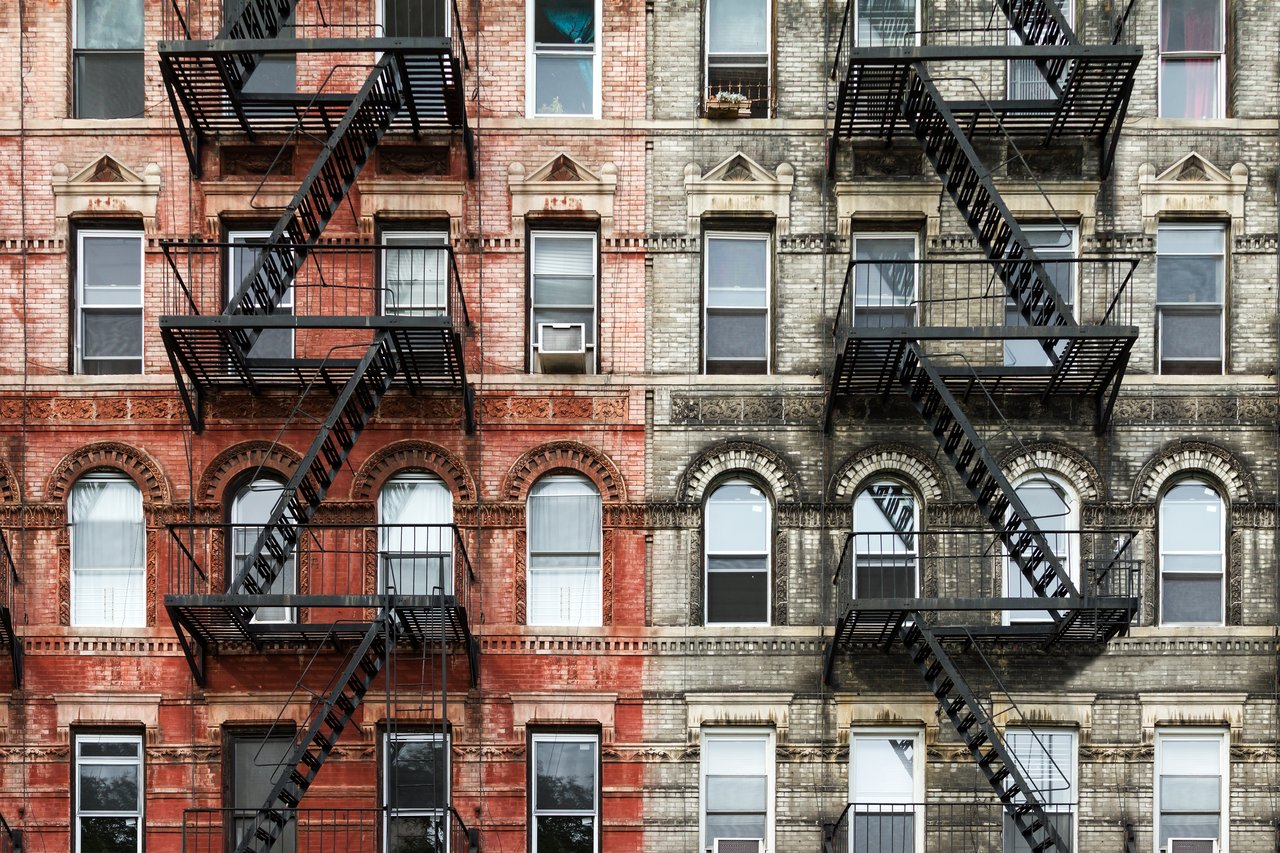
East Village runs hot in every direction. Street-level activity, music venues, restaurants, and bars operate late into the night. The blocks near Tompkins Square Park, St. Marks, and the avenues stay active. Quieter pockets exist on the eastern blocks of Alphabet City and the side streets, but the neighborhood does not deliver residential calm.
Buyers looking for new construction should look at the LES or FiDi.
For the right buyer, the cultural anchors, the dining, the music, and the street-level activity are the reasons the East Village holds the buyers it holds.
Local Highlights
Eat & Drink
Restaurants, Cafés & Bars
Shop
Retail & Boutiques
68,412 people live in East Village, where the median age is 38 and the average individual income is $75,452. Data provided by the U.S. Census Bureau.
Total Population
Median Age
Population Density
Average individual Income
There's plenty to do around East Village, including shopping, dining, nightlife, parks, and more. Data provided by Walk Score and Yelp.
Explore popular things to do in the area, including New Family Mart, C N C Convience Store, and C & B Candy Store.
| Name | Category | Distance | Reviews |
Ratings by
Yelp
|
|---|---|---|---|---|
| Dining | 0.24 miles | 1 review | 3/5 stars | |
| Dining | 0.27 miles | 0 reviews | 0/5 stars | |
| Dining | 0.47 miles | 0 reviews | 0/5 stars | |
| Shopping | 0.24 miles | 0 reviews | 0/5 stars | |
| Active | 0.52 miles | 0 reviews | 0/5 stars | |
| Nightlife | 0.19 miles | 0 reviews | 0/5 stars | |
| Beauty | 0.52 miles | 0 reviews | 0/5 stars | |
|
|
||||
|
|
||||
|
|
||||
|
|
||||
|
|
||||
|
|
East Village has 33,691 households, with an average household size of 2. Data provided by the U.S. Census Bureau. Here’s what the people living in East Village do for work — and how long it takes them to get there. Data provided by the U.S. Census Bureau. 68,412 people call East Village home. The population density is 115,260 and the largest age group is Data provided by the U.S. Census Bureau.
Total Population
Population Density Population Density This is the number of people per square mile in a neighborhood.
Median Age
Men vs Women
Population by Age Group
0-9 Years
10-17 Years
18-24 Years
25-64 Years
65-74 Years
75+ Years
Education Level
Total Households
Average Household Size
Average individual Income
Households with Children
With Children:
Without Children:
Blue vs White Collar Workers
Blue Collar:
White Collar:
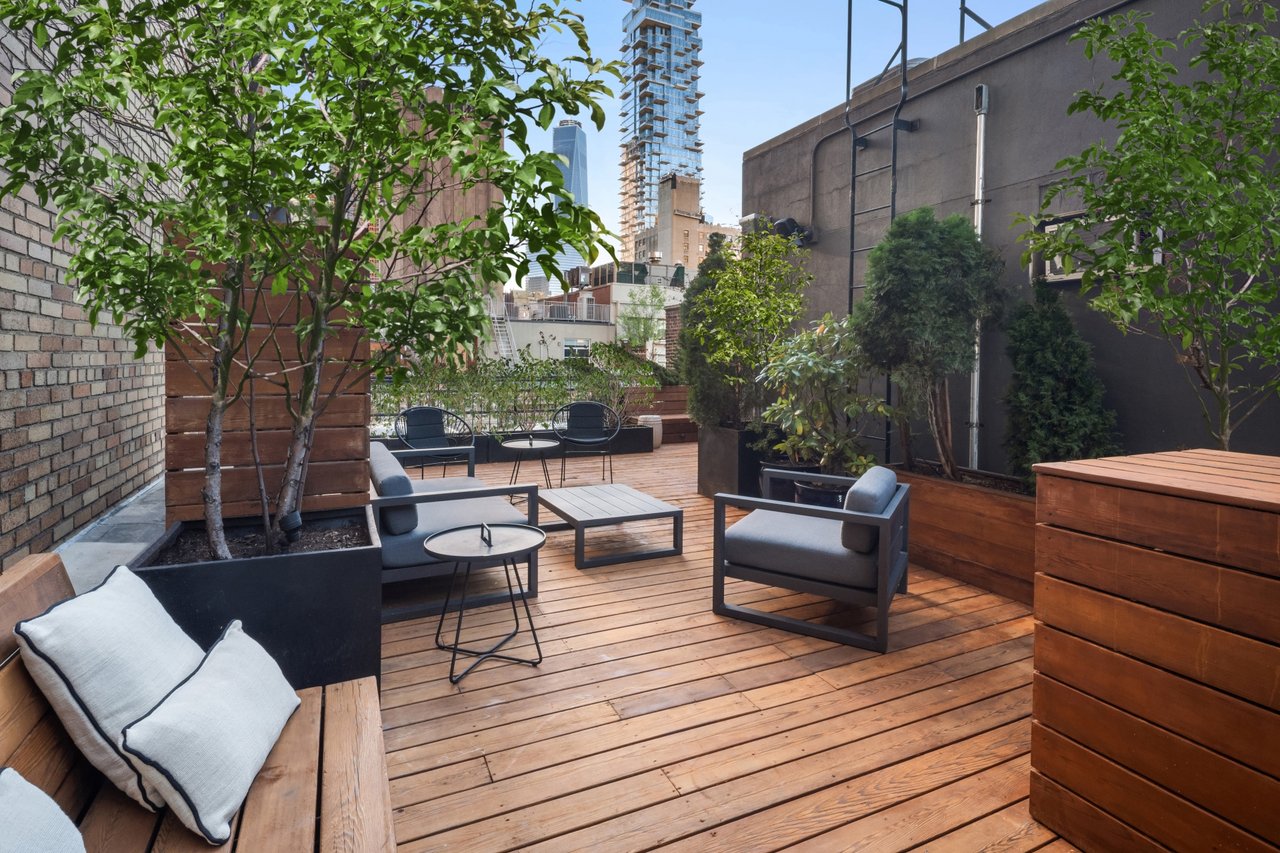
140 Franklin Street New York, NY 10013
140 Franklin Street New York, NY 10013