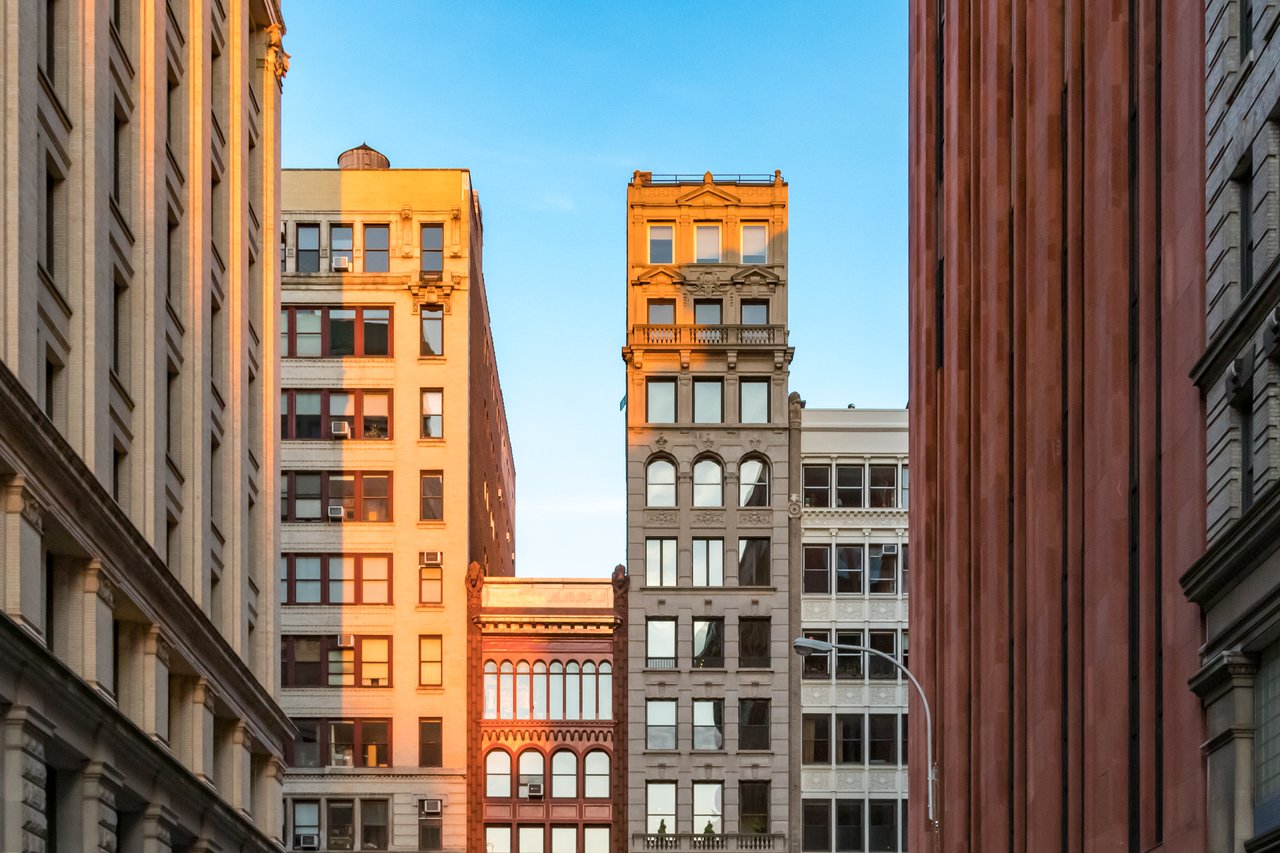
Noho
Cast-iron and brick. Lofts behind landmarked facades. The downtown architectural pedigree of SoHo, at a smaller scale and a lower volume.
NoHo is for buyers who want SoHo-quality lofts and architecture without SoHo-level pedestrian traffic.
The neighborhood is small. The footprint runs from Houston Street north to Astor Place, between Bowery and Broadway. The NoHo Historic District protects most of the residential core. New construction is rare.
This is a neighborhood for buyers who want a loft, who value the architectural lineage, and who prefer a quieter version of the cast-iron downtown.
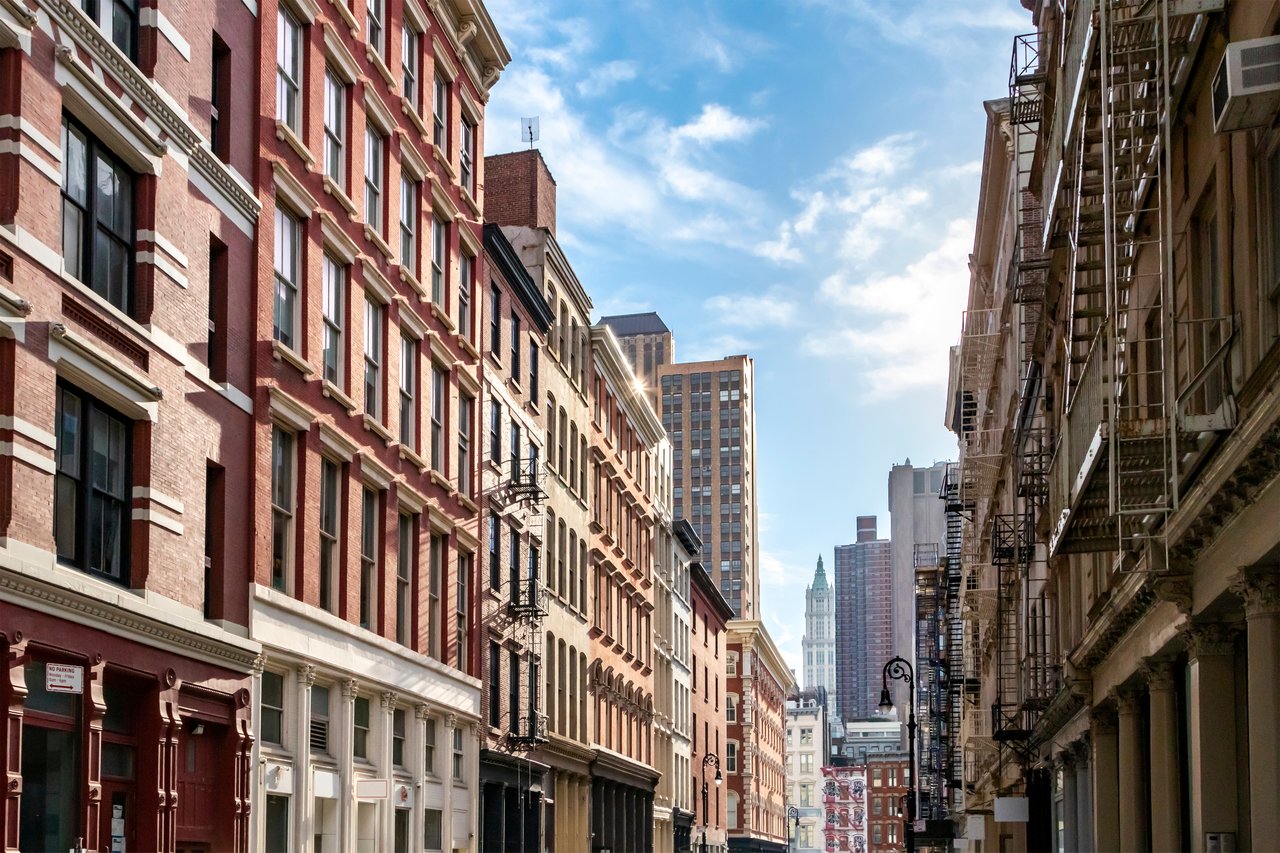
NoHo is small and tightly bounded. The neighborhood is geographically small, with limited storefronts compared to SoHo to the south and the East Village to the east. The streets, particularly Bond Street, Bleecker, Great Jones, and Lafayette, carry a slower pace than the surrounding downtown corridors.
The architectural character is loft-defining. Cast-iron and brick facades, large floor plates, high ceilings. Many of the prewar commercial buildings have been converted to condominium and co-op residential use over the last several decades.
A handful of contemporary condominium projects have brought a different architectural register into the neighborhood. 40 Bond Street by Herzog & de Meuron. 10 Bond by Selldorf Architects. 25 Bond, a conversion. These boutique buildings sit alongside the older lofts and brownstones.
Dining and retail are limited compared to SoHo and the East Village, which is part of what defines the neighborhood. The food culture concentrates around Bond Street and Lafayette, with restaurants like Il Buco and Acme operating in long-tenured spaces.
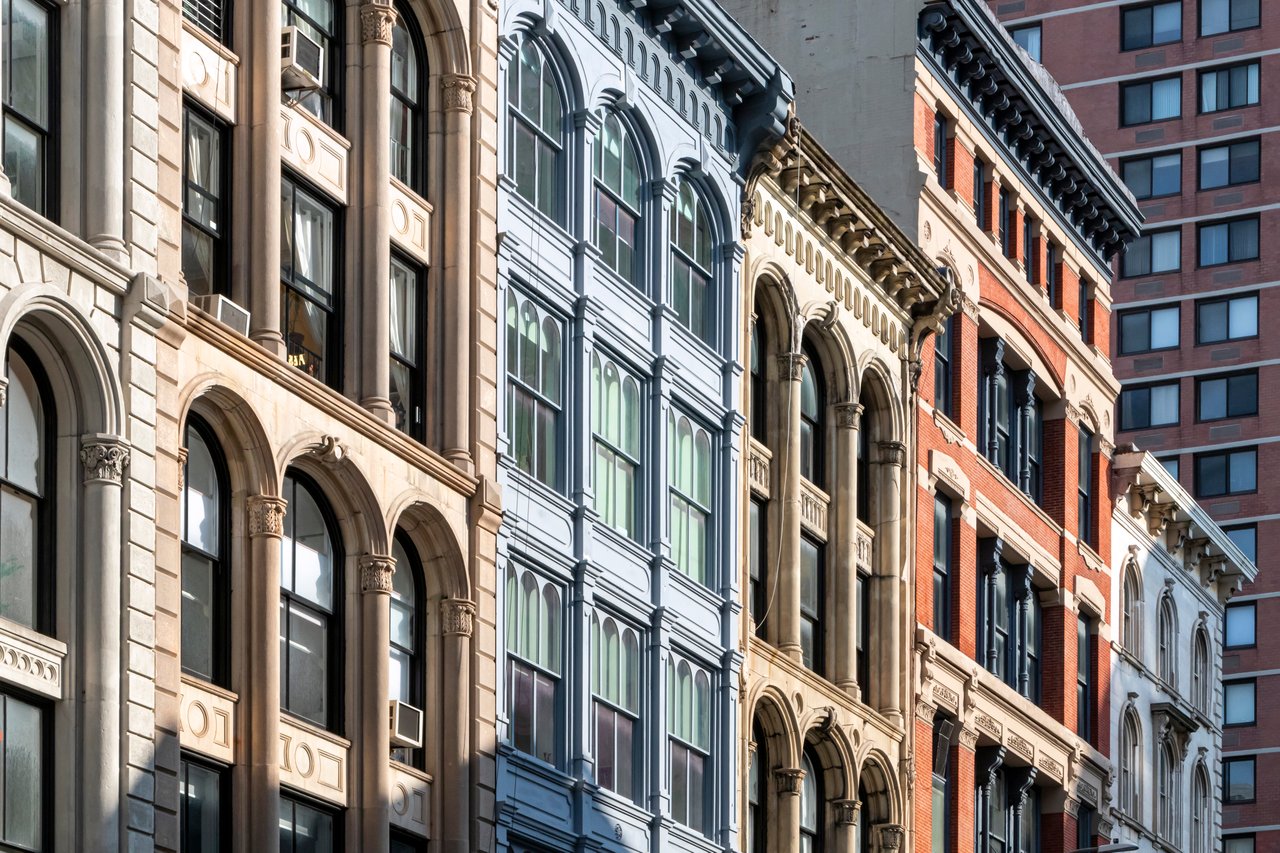
NoHo's stock is loft-dominant.
Prewar commercial-to-residential conversions account for the majority of the inventory. Cast-iron and brick buildings from the late 19th century, converted to condominium or co-op use, with large floor plates and original architectural details. Many of these are full-floor or half-floor residences.
A smaller tier of contemporary boutique condominium buildings, mostly along Bond Street. These offer modern systems, full amenity packages, and cleaner ownership structures than the older loft conversions.
A limited number of brownstone and townhouse properties on the residential side streets, often configured as single-residence or duplex condominium homes.
The NoHo buyer’s decision is usually between the loft character of the prewar buildings and the modern systems of the newer boutique condos. The two tiers operate at different price points and appeal to different tastes.
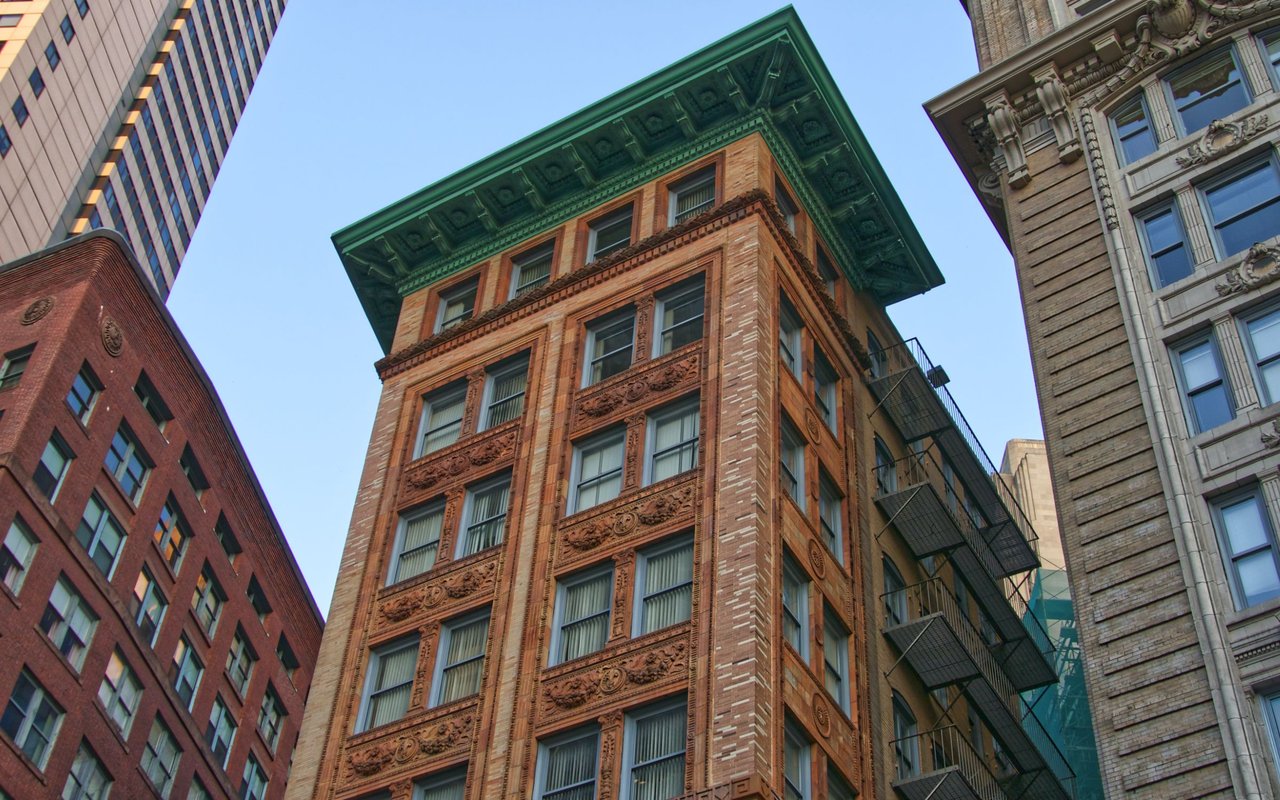
Inventory is the constraint. NoHo is small, the residential stock is bounded by the Historic District, and the buildings that exist do not trade often. Buyers who need to move on a timeline may find the available inventory does not match what they want.
The neighborhood is quiet compared to SoHo and Nolita, but it is not isolated. Lafayette Street and Bowery carry significant traffic. The streets immediately around Bond hold a quieter character; the perimeter streets do not.
NoHo does not offer the dining and retail density of the surrounding neighborhoods. Buyers who want to walk out their door into a major commercial corridor will be making most of their daily trips into SoHo, the Village, or the East Village.
For the right buyer, the smaller scale and limited inventory are the appeal. The neighborhood's residential character holds because the streets do not pull SoHo-scale crowds.
Local Highlights
Eat & Drink
Restaurants, Cafés & Bars
Arts & Culture
Galleries, Museums & Venues
Wellness & Active
Fitness & Recreation
2,868 people live in Noho, where the median age is 40 and the average individual income is $176,681. Data provided by the U.S. Census Bureau.
Total Population
Median Age
Population Density
Average individual Income
There's plenty to do around Noho, including shopping, dining, nightlife, parks, and more. Data provided by Walk Score and Yelp.
Explore popular things to do in the area, including Michael Haayen Health and Wellness Coaching.
Noho has 1,595 households, with an average household size of 2. Data provided by the U.S. Census Bureau. Here’s what the people living in Noho do for work — and how long it takes them to get there. Data provided by the U.S. Census Bureau. 2,868 people call Noho home. The population density is 84,984 and the largest age group is Data provided by the U.S. Census Bureau.
Total Population
Population Density Population Density This is the number of people per square mile in a neighborhood.
Median Age
Men vs Women
Population by Age Group
0-9 Years
10-17 Years
18-24 Years
25-64 Years
65-74 Years
75+ Years
Education Level
Total Households
Average Household Size
Average individual Income
Households with Children
With Children:
Without Children:
Blue vs White Collar Workers
Blue Collar:
White Collar:
140 Franklin Street New York, NY 10013
140 Franklin Street New York, NY 10013
