Upper East Side
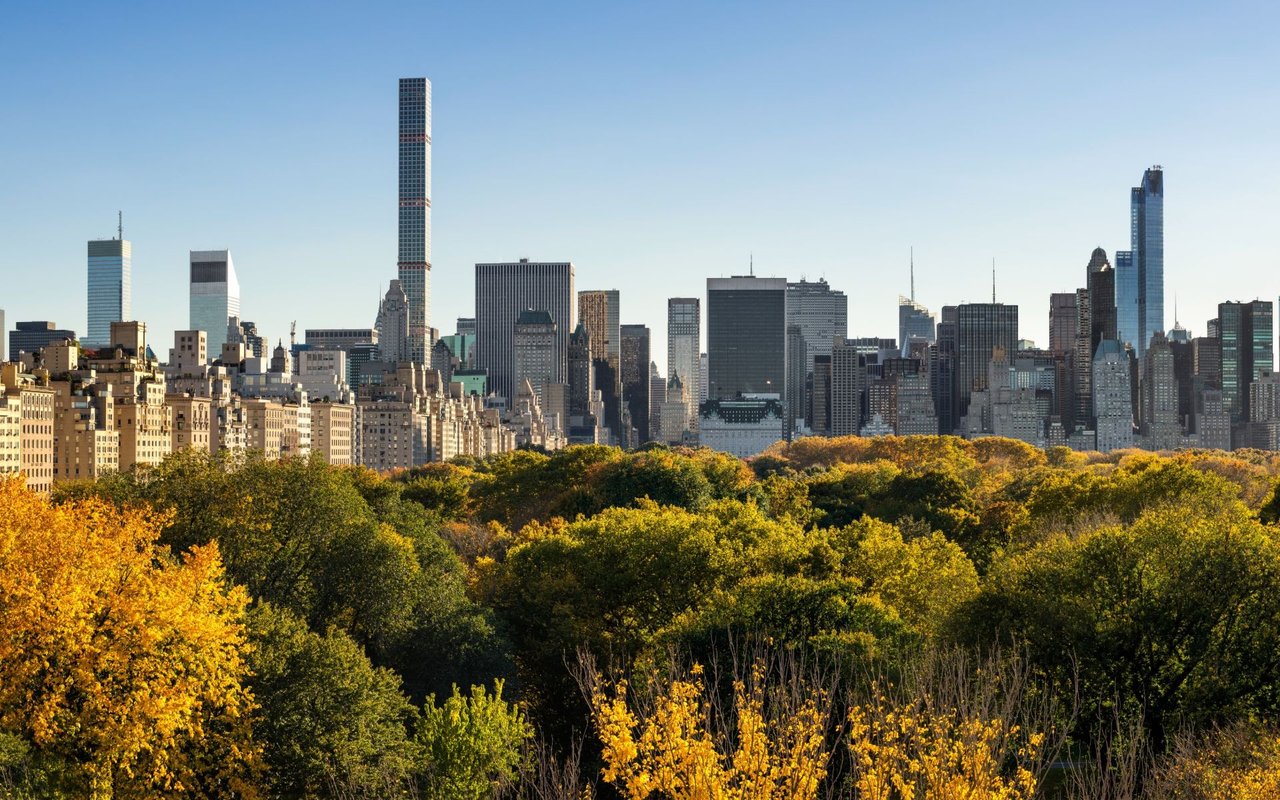
Central Park on one edge, the East River on the other. Museum Mile in between. Manhattan's strongest concentration of prewar residential architecture.
The Upper East Side serves buyers who value substance, scale, and residential calm over downtown scene. Full-service prewar architecture, real square footage, and proximity to most of the city's major cultural institutions characterize Upper East Side real estate.
Buyers here are not weighing UES against a downtown loft. They are choosing between specific buildings on specific corridors, often within a few blocks of each other.
The Upper East Side is not one neighborhood. It is a collection of micro-neighborhoods that change character every ten blocks.
Lenox Hill, 60th to 77th between Fifth and the East River, is the southern gateway. Close to Midtown, the major hospitals, and the bottom of the Madison Avenue corridor.
The Upper 70s between Fifth and Lexington is the quintessential prewar Upper East Side. Tree-lined blocks, walking distance to Central Park and Museum Mile.
Carnegie Hill, 86th to 96th between Fifth and Lexington, runs calmer.
Yorkville, east of Lexington from 79th to 96th. The Second Avenue Subway extension opened in 2017 and meaningfully changed accessibility for the corridor.
Museum Mile anchors the western edge. The Met, the Guggenheim, the Frick, the Neue Galerie, the Jewish Museum, the Asia Society. These function as part of daily life, not as destinations.
Dining here is relationship-driven, not trend-driven. Many of these are institutions where residents have been regulars for decades. Daniel. J.G. Melon. Sant Ambroeus. Sushi Noz. Café Carlyle and Bemelmans for evenings. Café Sabarsky inside the Neue Galerie for mornings.
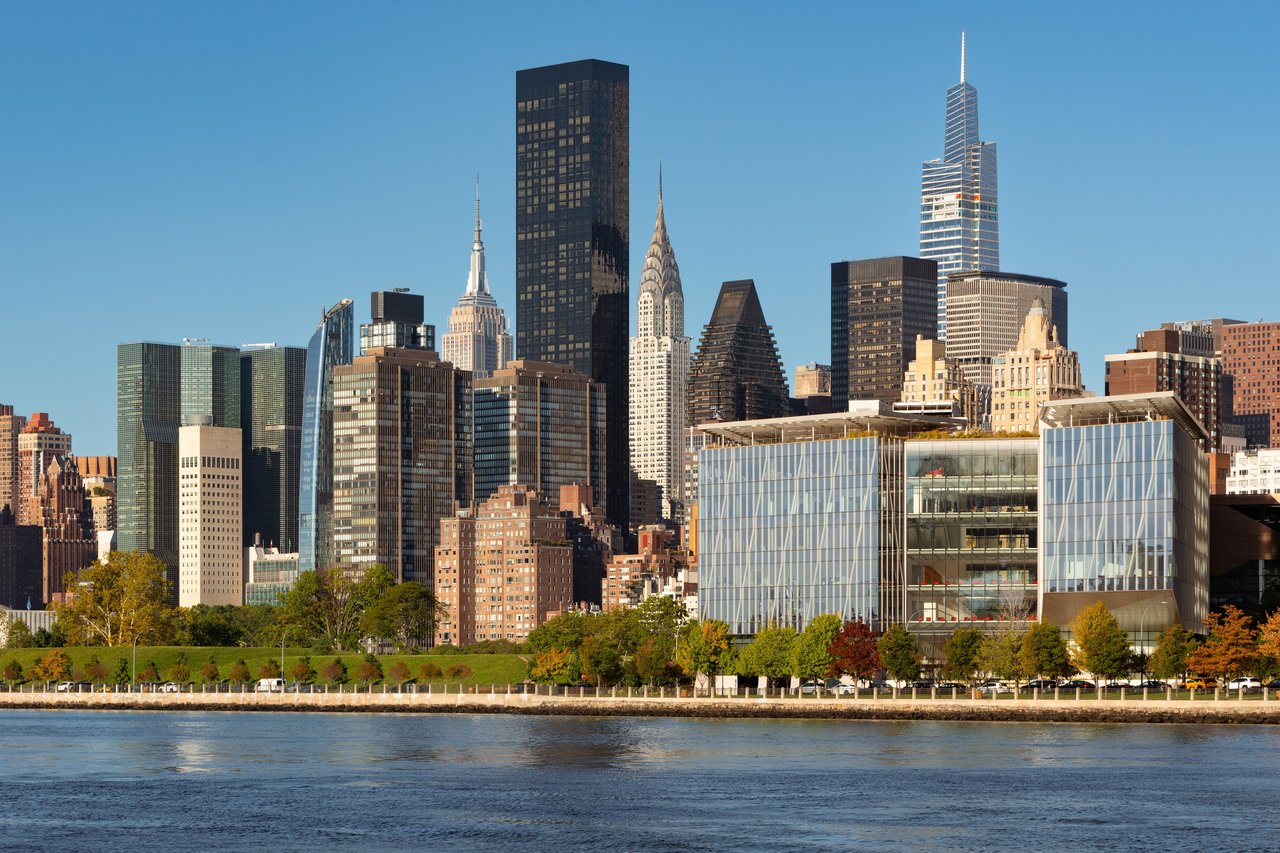
Madison Avenue runs the luxury retail corridor. Carl Schurz Park along the East River anchors the eastern edge, with Gracie Mansion, the official residence of the Mayor of New York, at the northern end. The 86th and 96th Street crosstown routes give efficient access to the West Side.
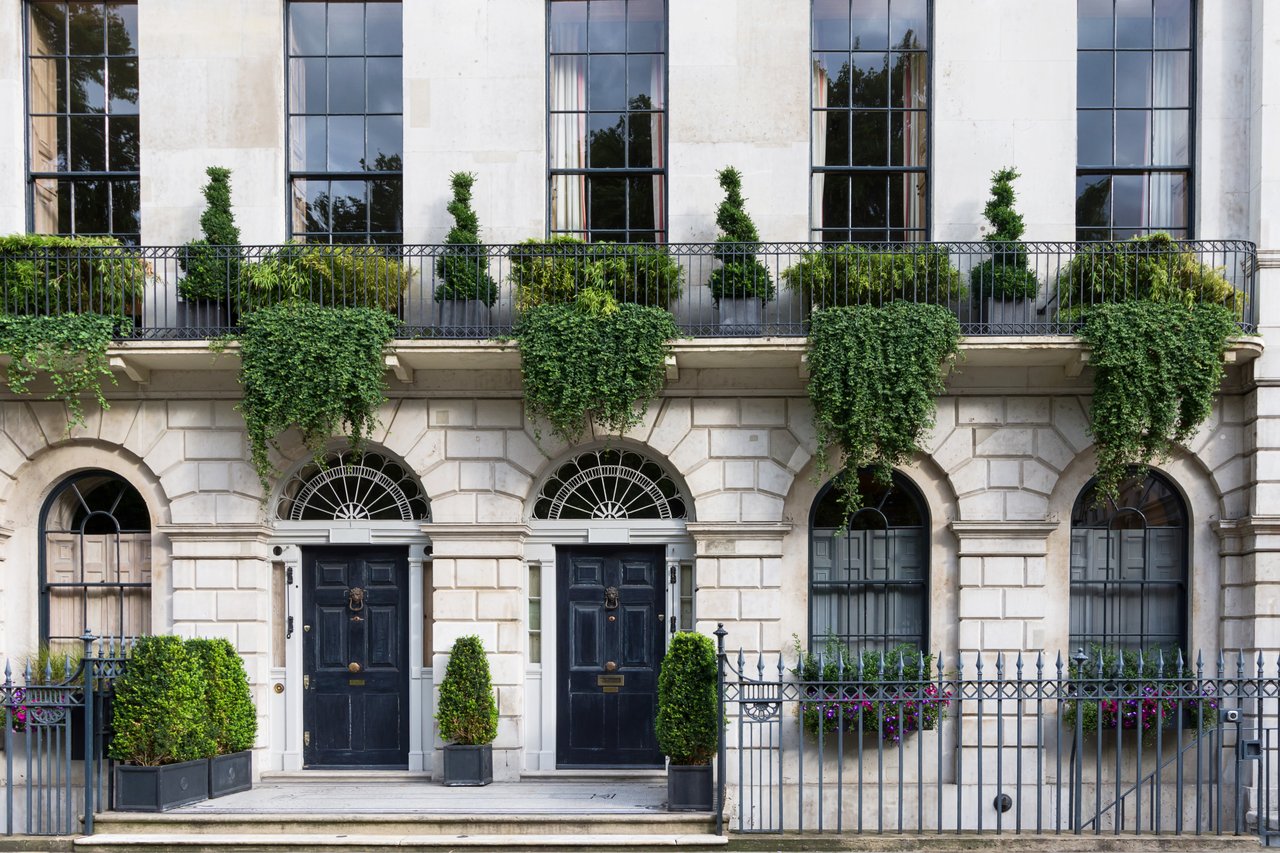
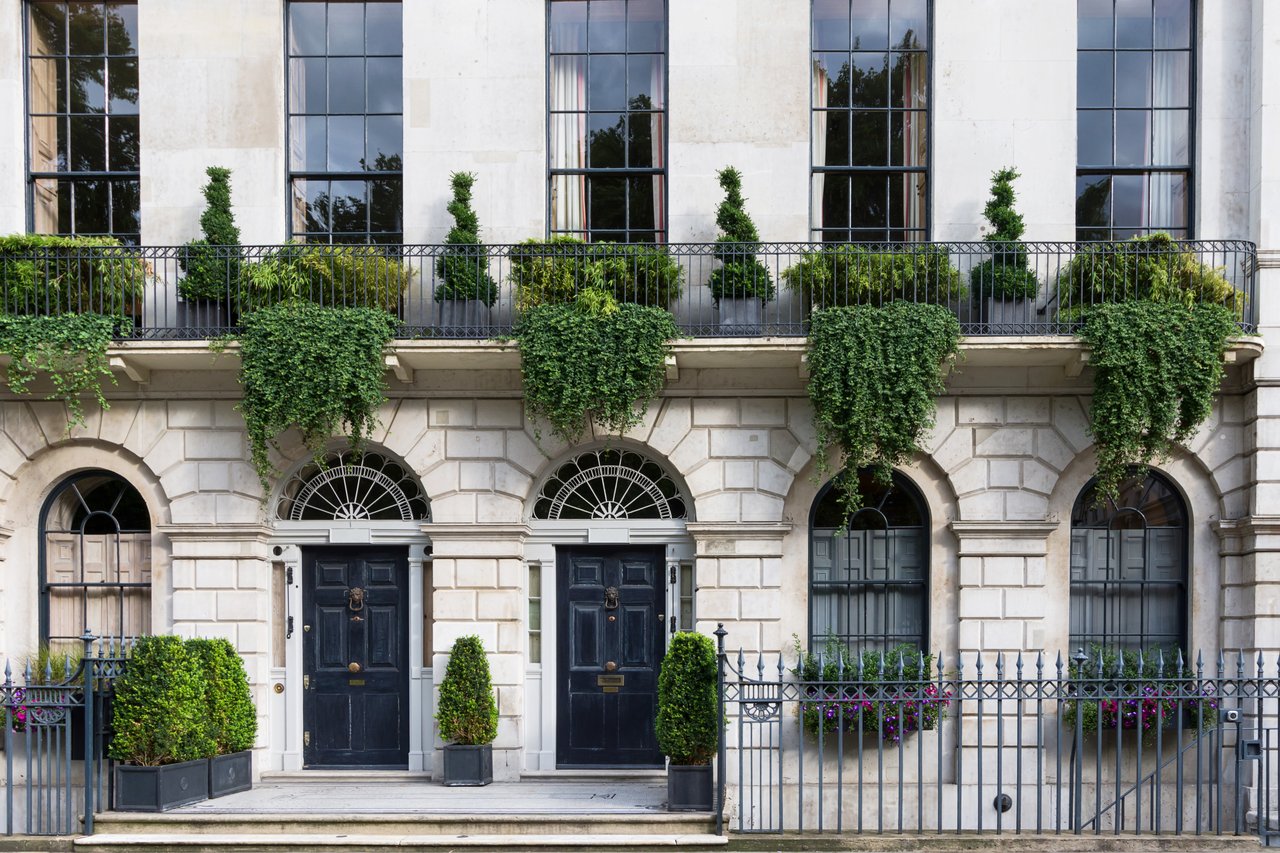
Prewar full-service co-ops define the neighborhood. Beaux-Arts, Neo-Renaissance, Art Deco, and Georgian Revival facades, mostly built between the 1910s and 1930s. Park Avenue and Fifth Avenue hold the most coveted addresses. Classic 6, 7, and 8 layouts deliver scale that is difficult to find anywhere else in Manhattan.
Two buildings anchor the story. 998 Fifth Avenue, McKim, Mead and White, 1912, was the first true luxury co-op on Fifth Avenue and convinced New York society to leave the townhouse for prewar residential living. 740 Park Avenue, Rosario Candela's 1930 masterpiece at 71st Street, remains widely regarded as Manhattan's most prestigious cooperative address.
Board approval is the baseline. Strong financials, a well-prepared package, patience for the process. International buyers and complex financial profiles can run into real friction.
The townhouse layer is small but distinctive. Several hundred townhomes across the neighborhood, mostly between Fifth and Lexington, many landmarked, with the largest concentration in Carnegie Hill and Lenox Hill. The privacy and scale are difficult to match. So are the maintenance and staffing demands.
Post-war buildings along Lexington, Second, and York offer cleaner ownership and looser building rules than the prewar stock.
A new luxury condo wave is reshaping the new-construction tier on the Upper East Side. Two projects define the moment.
1122 Madison Avenue, at 84th Street in Carnegie Hill. Studio Sofield design, Legion Investment Group and Nahla Capital developing. 26 residences starting at $10 million. The neighborhood condo price record was reset here in early 2026 with an $89.5 million penthouse contract. Delivery mid-2027.
255 East 77th Street, in Lenox Hill. Naftali Group, Robert A.M. Stern Architects. 62 residences in a 36-story limestone tower at Second Avenue. Penthouse contracted at $26 million in May 2026. Delivery late 2026.
Two additional projects are in early development on Fifth Avenue: 800 Fifth (Naftali, RAMSA, replacing the 1978 Franzen tower at 61st Street) and 985 Fifth (Spitzer Enterprises, Studio Sofield, between 79th and 80th). Both LPC-approved in late 2025.
Four serious projects in development at once is material in a neighborhood that has historically added very little new product.
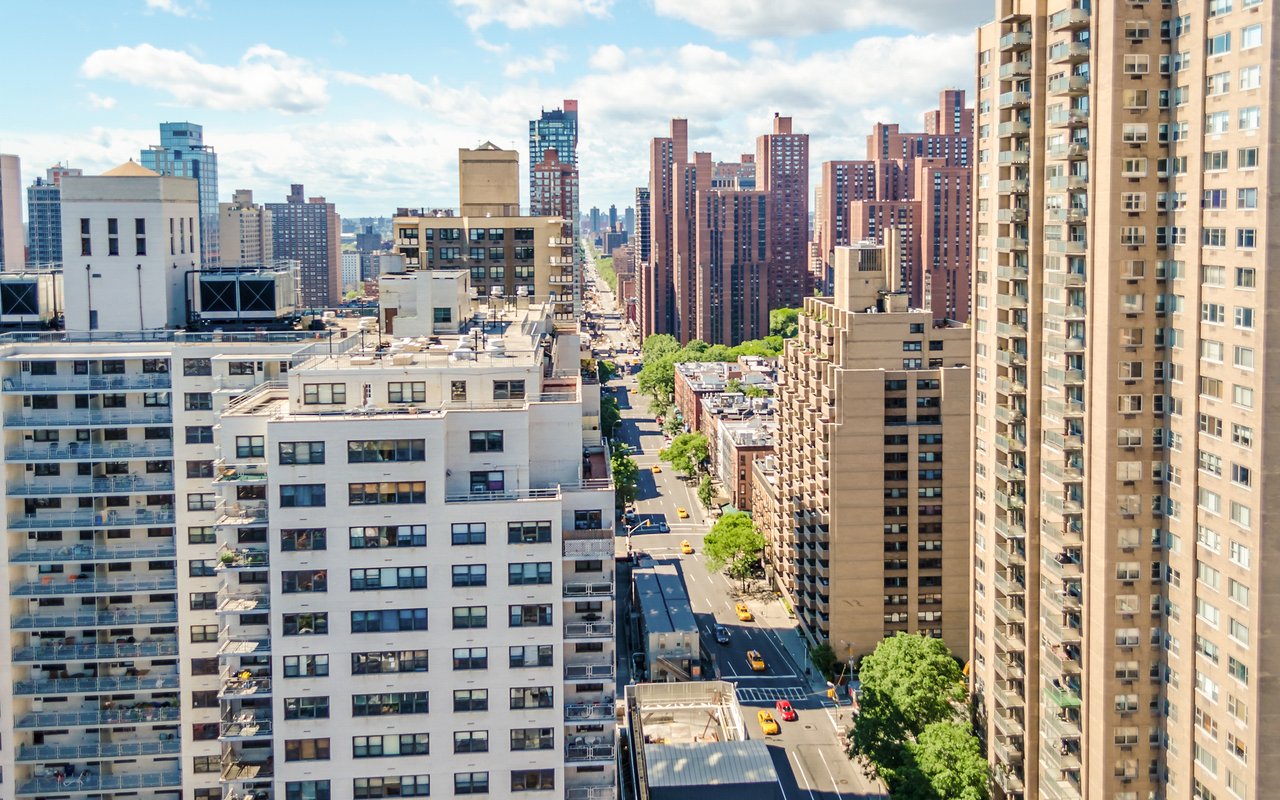
The Upper East Side asks buyers to prioritize substance over scene.
If your social life is centered below 23rd Street, the commute back will eventually feel long. The neighborhood does not deliver downtown energy and is not trying to.
If your primary goals are space, green space, cultural access, and long-term value, this neighborhood consistently delivers all four.
Local Highlights
Eat & Drink
Restaurants, Cafés & Bars
Arts & Culture
Galleries, Museums & Venues
Wellness & Active
Fitness & Recreation
205,232 people live in Upper East Side, where the median age is 44 and the average individual income is $147,442. Data provided by the U.S. Census Bureau.
Total Population
Median Age
Population Density
Average individual Income
There's plenty to do around Upper East Side, including shopping, dining, nightlife, parks, and more. Data provided by Walk Score and Yelp.
Explore popular things to do in the area, including Eli's Bread, S & A 96 Candy Store, and Peter Elliot Women.
| Name | Category | Distance | Reviews |
Ratings by
Yelp
|
|---|---|---|---|---|
| Dining · $$$$ | 0.68 miles | 12 reviews | 2.4/5 stars | |
| Dining | 0.94 miles | 0 reviews | 0/5 stars | |
| Shopping | 0.39 miles | 0 reviews | 0/5 stars | |
| Shopping | 0.49 miles | 0 reviews | 0/5 stars | |
| Shopping | 0.92 miles | 1 review | 5/5 stars | |
| Active | 0.02 miles | 0 reviews | 0/5 stars | |
| Active | 0.38 miles | 0 reviews | 0/5 stars | |
| Active | 0.59 miles | 0 reviews | 0/5 stars | |
| Beauty | 0.31 miles | 0 reviews | 0/5 stars | |
| Beauty | 0.34 miles | 6 reviews | 2.2/5 stars | |
| Beauty | 0.37 miles | 0 reviews | 0/5 stars | |
| Beauty | 0.38 miles | 0 reviews | 0/5 stars | |
| Beauty | 0.39 miles | 0 reviews | 0/5 stars | |
| Beauty | 0.53 miles | 0 reviews | 0/5 stars | |
| Beauty | 0.62 miles | 0 reviews | 0/5 stars | |
| Beauty | 0.67 miles | 0 reviews | 0/5 stars | |
| Beauty | 0.74 miles | 0 reviews | 0/5 stars | |
| Beauty | 0.74 miles | 0 reviews | 0/5 stars | |
| Beauty | 0.75 miles | 0 reviews | 0/5 stars | |
| Beauty | 0.9 miles | 0 reviews | 0/5 stars | |
| Beauty | 0.96 miles | 0 reviews | 0/5 stars | |
| Beauty | 0.96 miles | 0 reviews | 0/5 stars | |
| Beauty | 0.96 miles | 0 reviews | 0/5 stars | |
|
|
||||
|
|
||||
|
|
||||
|
|
||||
|
|
||||
|
|
Upper East Side has 108,027 households, with an average household size of 2. Data provided by the U.S. Census Bureau. Here’s what the people living in Upper East Side do for work — and how long it takes them to get there. Data provided by the U.S. Census Bureau. 205,232 people call Upper East Side home. The population density is 142,265 and the largest age group is Data provided by the U.S. Census Bureau.
Total Population
Population Density Population Density This is the number of people per square mile in a neighborhood.
Median Age
Men vs Women
Population by Age Group
0-9 Years
10-17 Years
18-24 Years
25-64 Years
65-74 Years
75+ Years
Education Level
Total Households
Average Household Size
Average individual Income
Households with Children
With Children:
Without Children:
Blue vs White Collar Workers
Blue Collar:
White Collar:
140 Franklin Street New York, NY 10013
140 Franklin Street New York, NY 10013