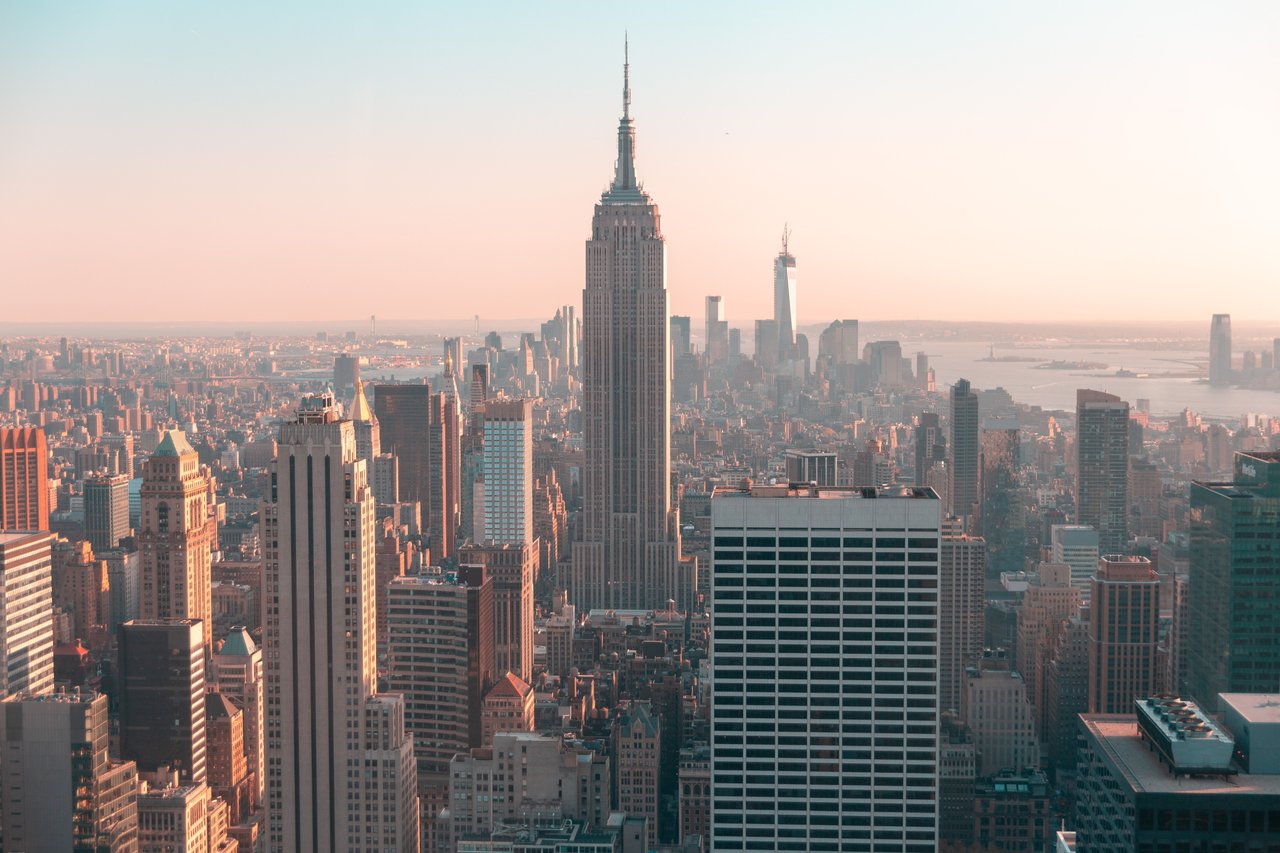
NoMad
NoMad stands for North of Madison Square Park. Its geography matches its name, with the Empire State Building at the northern edge. A historically commercial corridor that is becoming a residential one.
NoMad is for buyers who use Manhattan in every direction.
The neighborhood sits at the geographic center of the borough. Penn Station, Grand Central, and the major transit lines are all within a walking radius. LaGuardia, JFK, and Newark are all within an hour's commute by car. Flatiron, Chelsea, Murray Hill, Midtown, and Union Square are all walkable.
This is a neighborhood for buyers whose week involves the whole city.
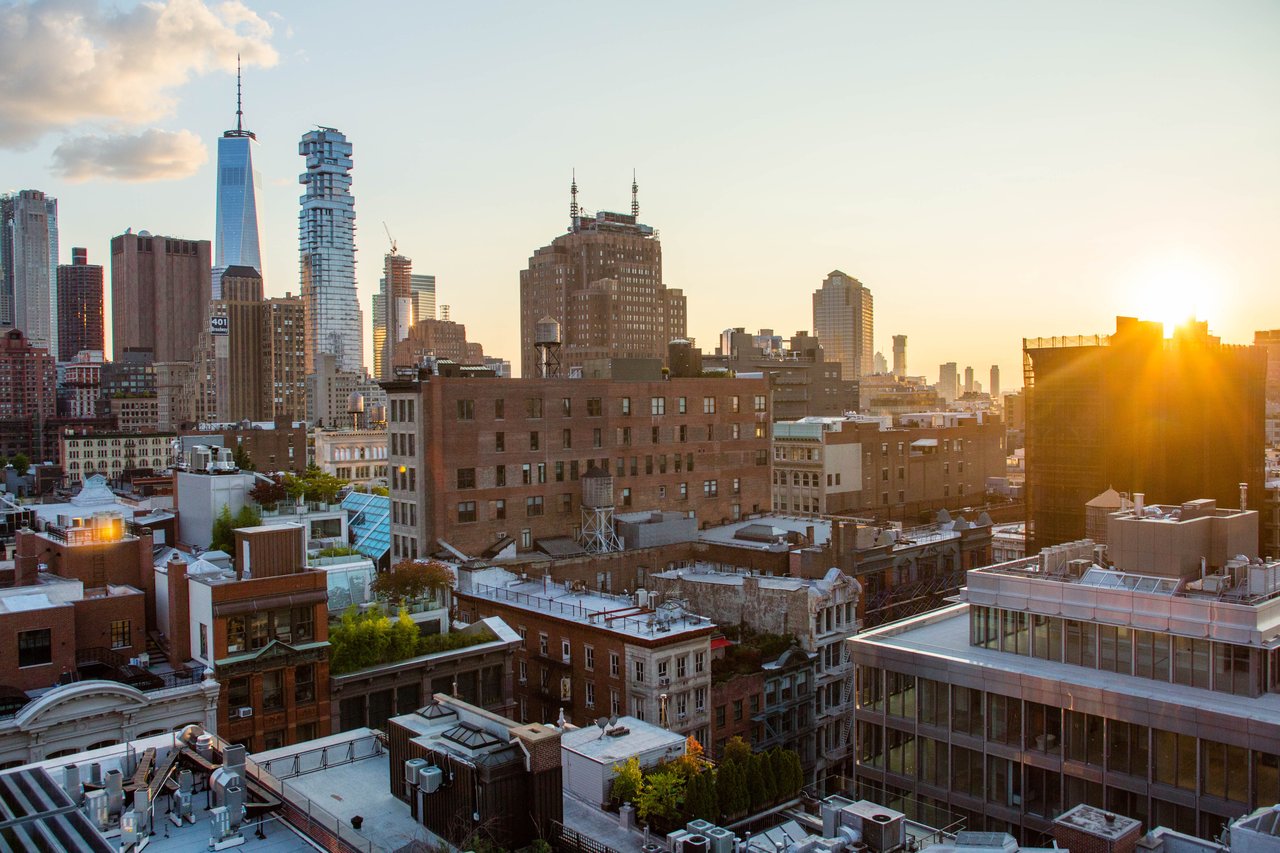
NoMad runs roughly from 25th Street north to 30th or 31st, between Sixth Avenue and Madison. The southern edge connects to Flatiron and Madison Square Park. The northern edge runs into the commercial fabric of Midtown South.
The defining anchors are commercial and hospitality. The NoMad Hotel set the tone for the neighborhood when it opened in 2012. The Ritz-Carlton New York, NoMad opened in 2023 at 25 West 28th Street. The Ace Hotel sits just south. Eataly's flagship is across the park in Flatiron, but the surrounding food culture, including restaurants like Eleven Madison Park and the historic Marble Collegiate Church, spans both neighborhoods.
The retail spine on lower Fifth Avenue is changing. Long associated with wholesale and showroom space, the corridor is shifting toward higher-end retail as the residential tier develops.
Both Flatiron and the adjacent NoMad sit on what was historically Ladies' Mile, the late-1800s shopping district. The Madison Square North Historic District protects much of the residential core. Many of the buildings that define NoMad architecturally are former commercial structures with cast-iron and limestone facades that cannot be replaced.
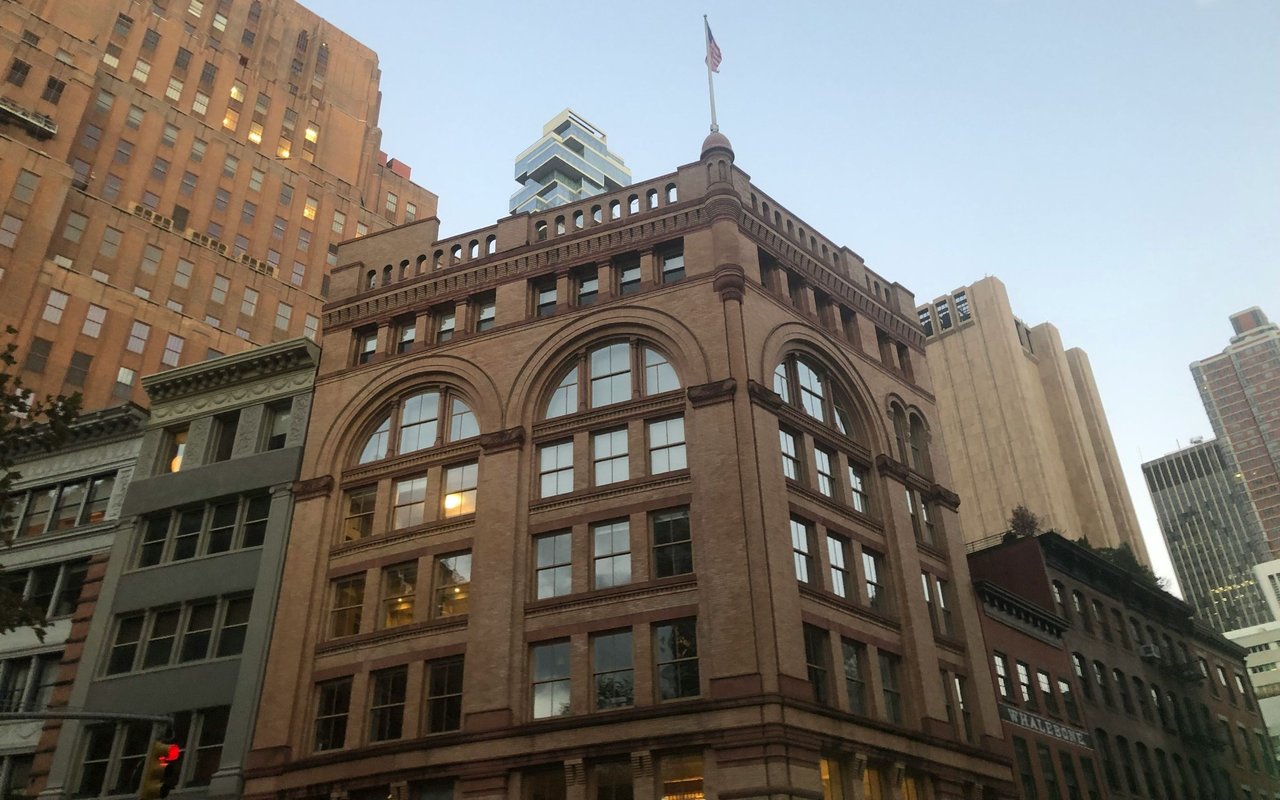
The residential stock divides into three categories.
Prewar commercial-to-residential conversions. NoMad has a significant inventory of former office and showroom buildings converted to condominium use over the last twenty-five years. Larger floor plates, higher ceilings, fewer units per floor than typical prewar residential.
Hotel-residence hybrids. The Ritz-Carlton Residences are the highest-profile example. These offer hotel services integrated with condominium ownership, which appeals to a specific buyer profile.
New ground-up condominium. A smaller but growing tier. NoMad's available development sites are limited, and the projects that do come online are boutique or supertall in scale, with very little in between.
The decision is usually between the conversion character of the prewar buildings, the service tier of the hotel-residences, and the modern systems of the new construction.
NoMad's pipeline is small but distinctive.
262 Fifth Avenue. Meganom design (their first US project), developed by Five Points Development. A 52-story tower with 26 full-floor and duplex condominium residences averaging 3,200 square feet, including at least one quadruplex. Sales launching with private showings in May 2026, completion projected for the second half of 2026.
The project illustrates NoMad's current trajectory: a small number of high-design, low-density condominium projects rather than a broad new-construction wave.
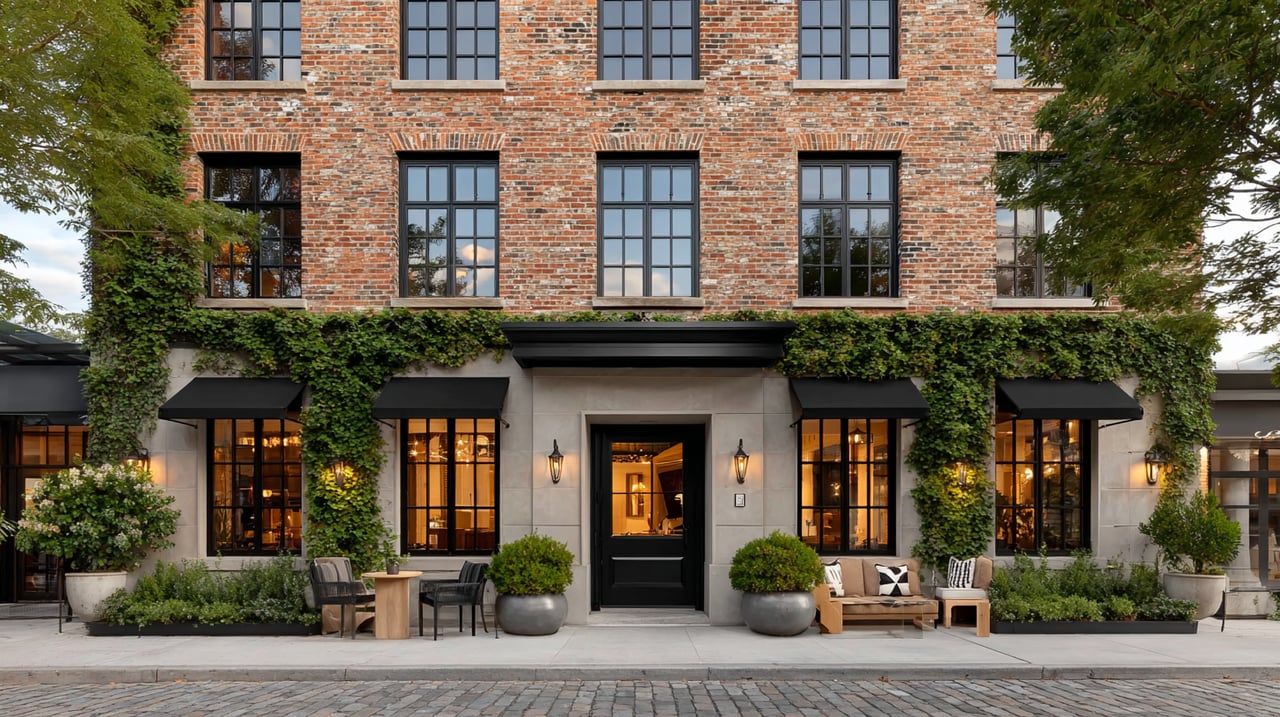
NoMad does not yet have the fully residential street life of Chelsea or Gramercy. Commercial activity dominates at street level on most blocks, particularly outside the Madison Square North core. Buyers who want a fully realized residential neighborhood may find NoMad still in transition.
Tourist traffic to Madison Square Park, the Flatiron Building, and the Empire State Building runs through the southern and northern edges of the neighborhood.
The residential pace is uneven block-to-block. A residence on the park side of 27th Street feels different from one on 29th.
For the right buyer, the unevenness is the opportunity. The Ritz-Carlton anchor, the Madison Square Park access, and the high-design new construction in development are reshaping the neighborhood faster than most parts of Manhattan reshape. The buyer who arrives during the transition is buying at a different price point than the buyer who arrives once the transition is finished.
140 Franklin Street New York, NY 10013
140 Franklin Street New York, NY 10013