Central Park South
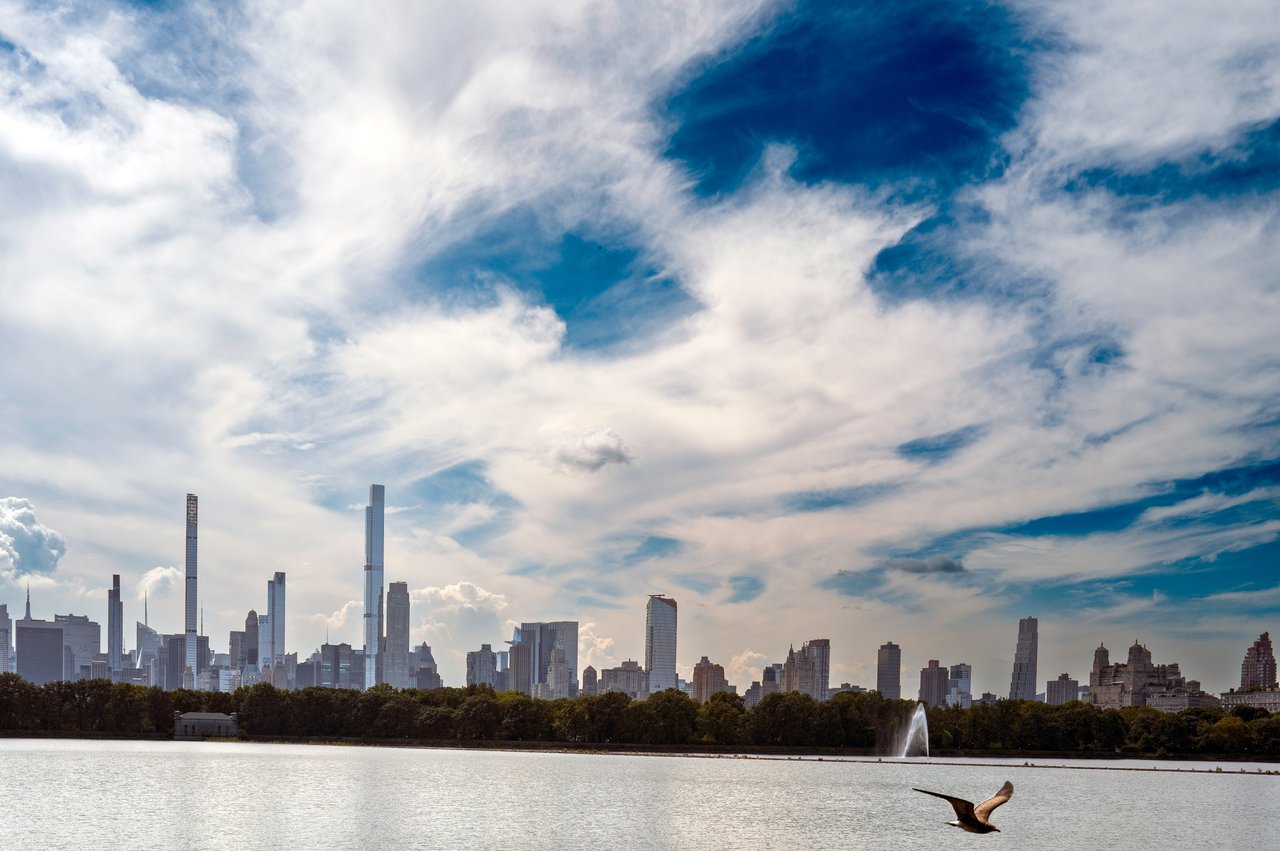
The stretch of Manhattan where the park meets the most concentrated trophy-residential market in the world. Supertall towers along 57th Street and a prewar landmark corridor on 59th, all facing Central Park.
Central Park South is for buyers looking for a superlative residence with direct Central Park positioning, choosing among the most significant residential buildings in the city.
The towers along 57th Street, the corridor often called Billionaire's Row, hold some of the highest-priced residences ever sold in the country. Buyers here are weighing a supertall condo with full-floor scale and Central Park views from hundreds of feet up against the prewar landmark co-ops along 59th Street. Those buildings carry their own storied reputations, built decades before the towers existed, in lower-rise buildings that draw less attention to themselves.
The decision is rarely about access or value. It is about which form of the Central Park trophy a buyer wants: the new supertall with the height and the amenities, or the prewar landmark with the board, the heritage, and the discretion.
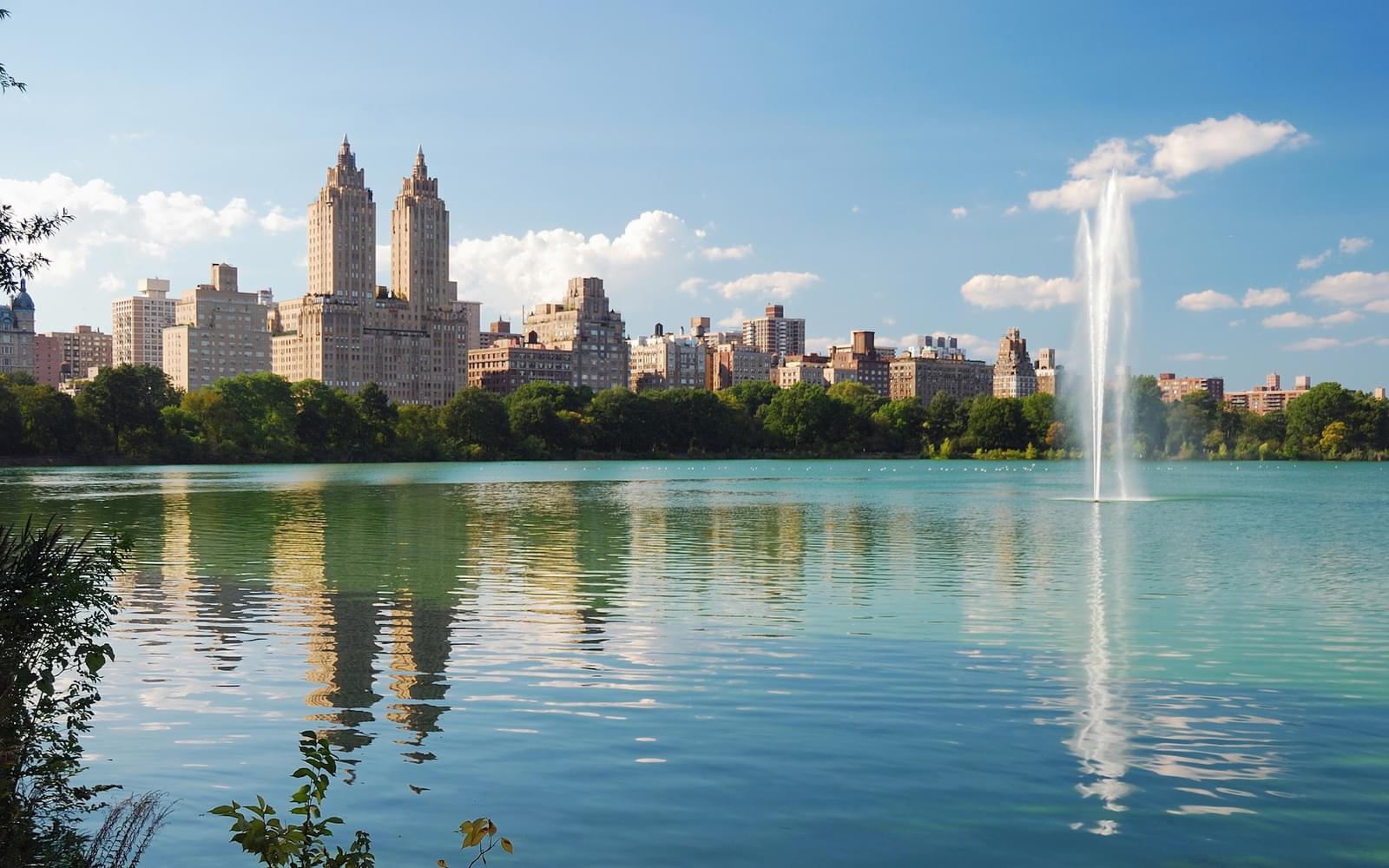
Central Park South runs along the southern edge of Central Park, from Fifth Avenue west to Columbus Circle, with the trophy-condo corridor extending a block south along 57th Street.
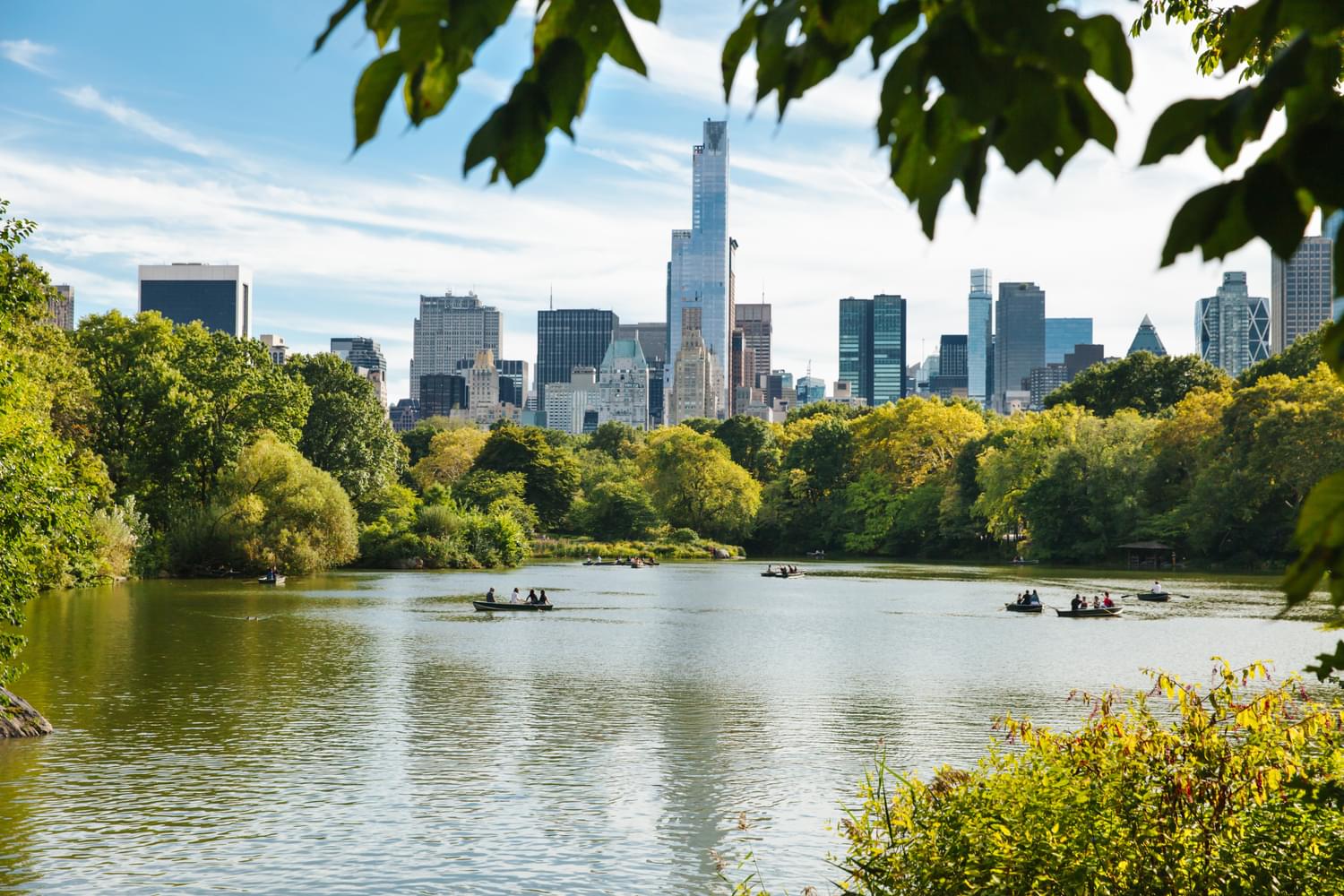
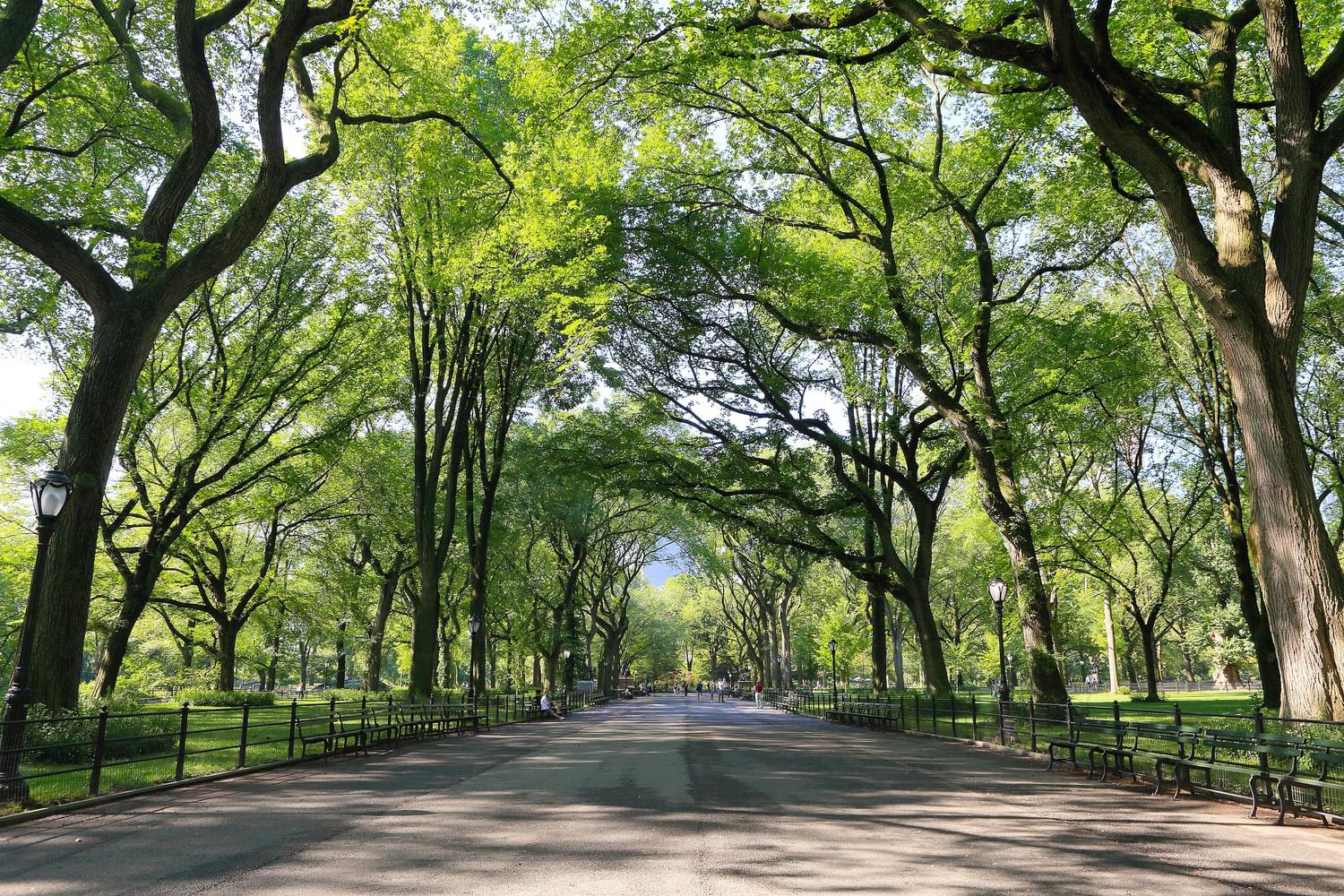
The park is the organizing fact. Every building of consequence here is positioned for it. The 59th Street frontage looks directly north over the park, and the 57th Street towers rise high enough to clear everything between them and the water, the park meadows, and the reservoir beyond.
The 59th Street corridor is the historic core. A row of prewar buildings, most built between the 1920s and early 1940s, lines the park edge between the Plaza at Fifth Avenue and the Columbus Circle end. These are landmark buildings on landmark land, and the stretch has held its character for nearly a century.
The 57th Street corridor, one block south, is where the supertall towers rose over the last fifteen years. One57 opened the corridor in 2013. Central Park Tower, 111 West 57th, and 432 Park Avenue followed. Together they reshaped the Manhattan skyline and concentrated more ultra-high-end residential value into a few blocks than anywhere else in the world.
At street level, the neighborhood is less residential than the addresses suggest. The Plaza and the Essex House anchor the Fifth Avenue end. The southern edge of the park, the horse carriages, and the tourist density along 59th Street are part of daily life here. This is not a quiet residential pocket. It is a destination address where the park, not the street life, is the reason to be here.
The stock divides into three tiers, and which tier a buyer wants is usually the first decision, before any single building.
The supertall trophy condos are the newest and most visible. One57 at 157 West 57th Street (2013, 134 residences) opened the corridor. Central Park Tower at 217 West 57th (2019, 179 residences) is the tallest residential building in the world. 111 West 57th (2020, 60 residences) is the slender landmark tower above the old Steinway Hall, and 432 Park Avenue (2015, 131 residences) sits just east of the cluster. They offer full-floor scale, ceiling heights and window walls prewar construction cannot match, and amenity packages built for the price point. 220 Central Park South (2018, 117 residences), the Robert A.M. Stern building on the 59th Street frontage, reads prewar in its limestone detailing while delivering new construction behind the facade.
The prewar landmark co-ops are the historic tier. Hampshire House (1938), Berkeley House (1942), Southmoor House (1936), and the row along the 59th Street frontage defined Central Park South before the towers existed. Lower-rise, architecturally protected, with park-facing prewar layouts and rigorous board processes.
The hotel-residence tier is distinctive to this stretch. The Plaza at 1 Central Park South (1907) and the Essex House offer branded residences with hotel service and no co-op board. Buyers who priorities amenities and service over all will find what they are looking for here.
One major project is moving forward in the corridor. 41 West 57th Street, developed by Sedesco and designed by OMA, is a 63-story supertall planned for 119 condominium residences above a hotel, on an assemblage that runs through the block to 58th Street. At a planned 1,100 feet, it would stand among the existing supertalls as the next addition to the corridor.
The timeline is the open question. The developer spent years assembling the site, and demolition of the last building on the parcel only finished at the end of 2025. A construction schedule and a sales launch have not been announced. For a buyer tracking the corridor, this is the one named project worth watching, with the clear caveat that its delivery is still years out and not yet on a published timeline.
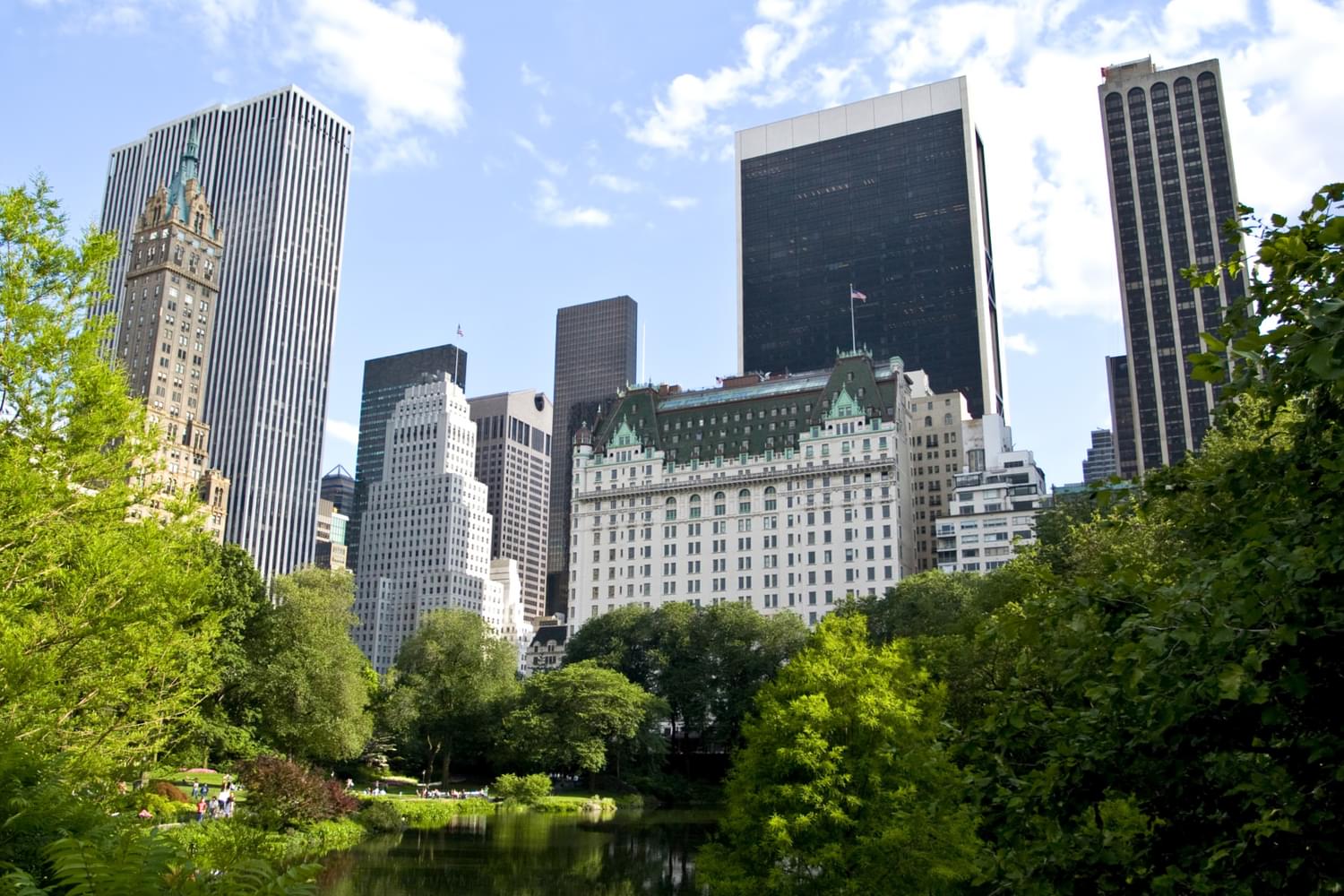
Central Park South is a destination address. The southern edge of the park draws constant foot traffic, the horse carriages line up along 59th Street, and the tourist density at the Fifth Avenue end does not let up. Buyers who picture a quiet residential block will not find it here. What they get instead is the park itself, directly across the street.
The supertall towers and the prewar co-ops carry two different profiles, and a buyer should know which one they are taking on. The towers come with high carrying costs, full amenity packages, and the realities of a building still establishing its resale history. The prewar co-ops come with rigorous board approval, cooperative governance, and residences that remain in demand for their historic reputation.
Resale at this level is thin and slow. The buildings hold so few residences, and the buyers for them are so specific, that a sale can take time to find its match in either direction.
For the right buyer, none of that is the point. The point is a residence directly on Central Park, in the buildings that define what it means to live in parkside luxury.
44,276 people live in Central Park South, where the median age is 40.6 and the average individual income is $130,214. Data provided by the U.S. Census Bureau.
Total Population
Median Age
Population Density
Average individual Income
There's plenty to do around Central Park South, including shopping, dining, nightlife, parks, and more. Data provided by Walk Score and Yelp.
Explore popular things to do in the area, including Martin's News & Sundry, Nautica, and Olmsted Flower Bed.
| Name | Category | Distance | Reviews |
Ratings by
Yelp
|
|---|---|---|---|---|
| Shopping | 0.42 miles | 0 reviews | 0/5 stars | |
| Shopping | 0.48 miles | 5 reviews | 1.8/5 stars | |
| Active | 0.09 miles | 0 reviews | 0/5 stars | |
| Active | 0.14 miles | 0 reviews | 0/5 stars | |
| Active | 0.19 miles | 0 reviews | 0/5 stars | |
| Active | 0.4 miles | 0 reviews | 0/5 stars | |
| Beauty | 0.15 miles | 0 reviews | 0/5 stars | |
| Beauty | 0.29 miles | 0 reviews | 0/5 stars | |
| Beauty | 0.36 miles | 2 reviews | 5/5 stars | |
| Beauty | 0.47 miles | 0 reviews | 0/5 stars | |
| Beauty | 0.55 miles | 0 reviews | 0/5 stars | |
| Beauty | 0.61 miles | 2 reviews | 5/5 stars | |
|
|
||||
|
|
||||
|
|
||||
|
|
||||
|
|
||||
|
|
Central Park South has 26,900 households, with an average household size of 1.62. Data provided by the U.S. Census Bureau. Here’s what the people living in Central Park South do for work — and how long it takes them to get there. Data provided by the U.S. Census Bureau. 44,276 people call Central Park South home. The population density is 67,198 and the largest age group is Data provided by the U.S. Census Bureau.
Total Population
Population Density Population Density This is the number of people per square mile in a neighborhood.
Median Age
Men vs Women
Population by Age Group
0-9 Years
10-17 Years
18-24 Years
25-64 Years
65-74 Years
75+ Years
Education Level
Total Households
Average Household Size
Average individual Income
Households with Children
With Children:
Without Children:
Blue vs White Collar Workers
Blue Collar:
White Collar:
140 Franklin Street New York, NY 10013
140 Franklin Street New York, NY 10013