Lenox Hill
The heart of the Upper East Side, where Park and Madison Avenues, world-class shopping, distinguished prewar cooperatives, and luxury condominiums create one of Manhattan's most enduring residential markets.
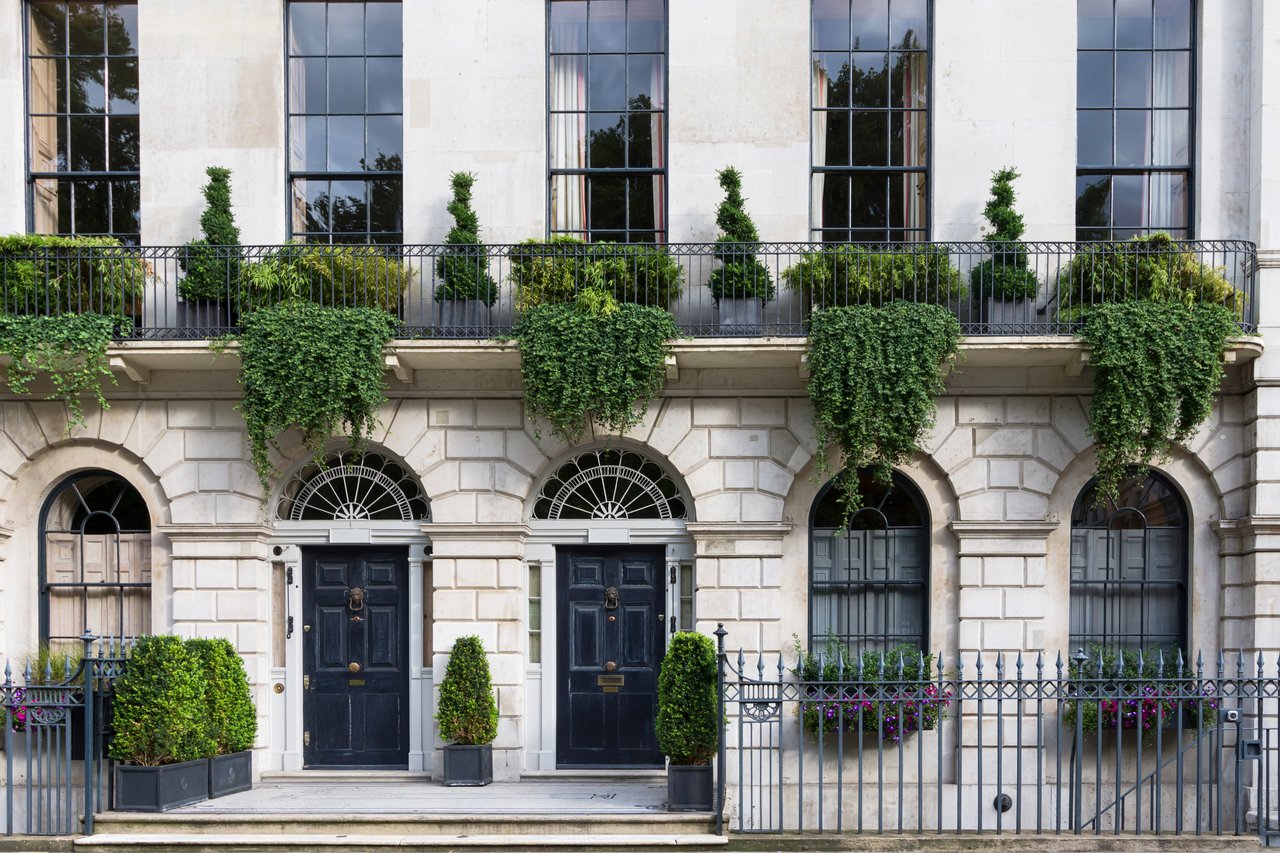
Lenox Hill is for buyers who want the classic Upper East Side experience: elegant residential streets, established luxury buildings, and immediate access to Central Park, Madison Avenue, and some of the city's best shopping and dining.
The neighborhood appeals to a broad range of buyers. Some are looking for a grand prewar cooperative on Park Avenue. Others prefer a full-service condominium with modern amenities closer to Third Avenue, or a townhouse tucked along one of Lenox Hill's quieter side streets.
The decision here is often about balancing tradition with flexibility. Buyers choosing Lenox Hill are selecting among some of Manhattan's most established residential buildings while benefiting from a housing stock that includes both historic cooperatives and an unusually strong inventory of luxury condominiums.
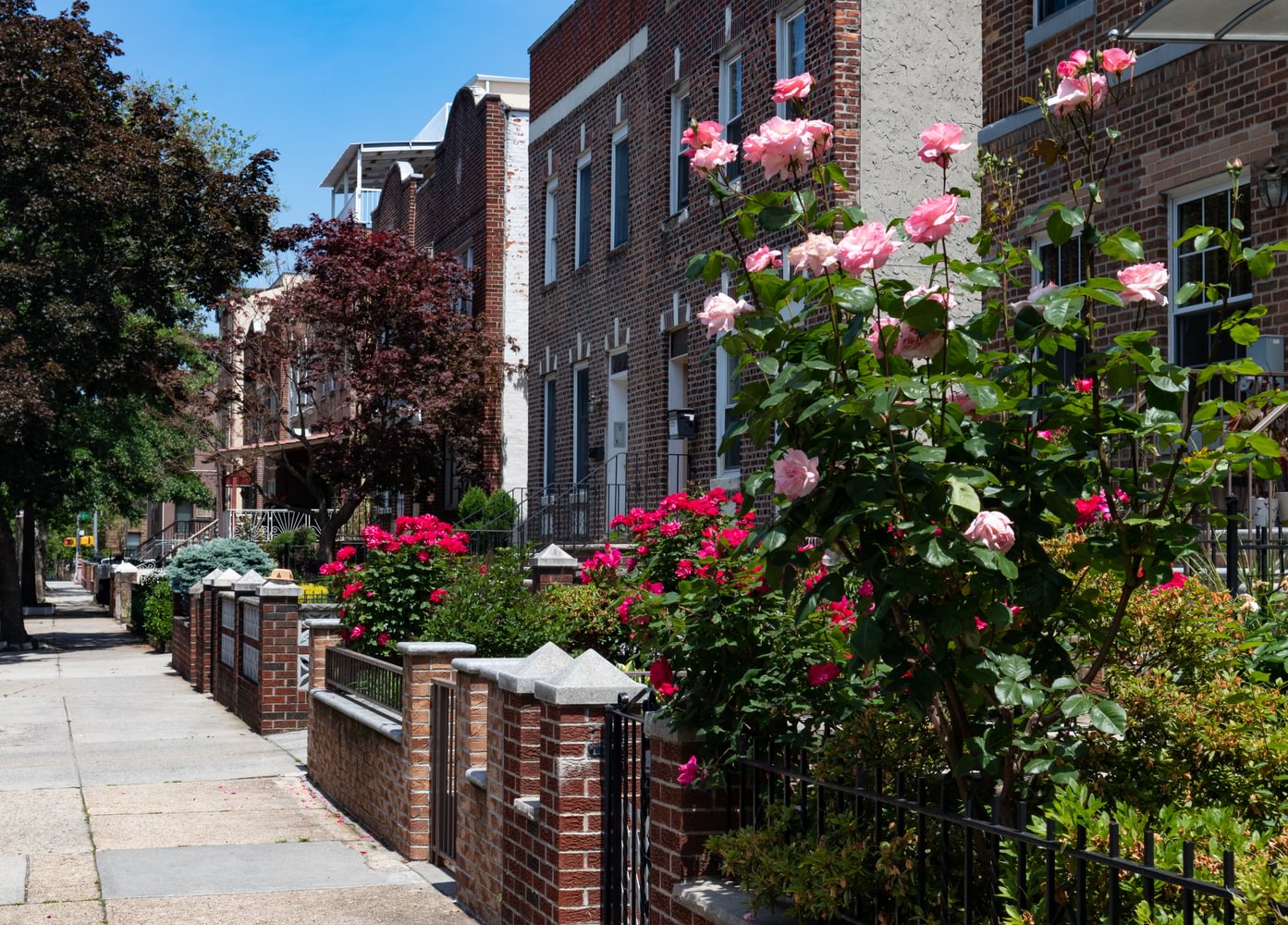
Lenox Hill generally stretches from East 59th Street to East 77th Street, between Central Park and the East River, occupying the southern portion of the Upper East Side.
Park Avenue and Madison Avenue define much of the neighborhood's identity. Madison Avenue serves as one of Manhattan's premier luxury shopping corridors, lined with designer boutiques, galleries, restaurants, and cafés that feel distinctly neighborhood-oriented despite their international reputations. Park Avenue offers broad landscaped medians framed by elegant apartment buildings that have long been among the city's most prestigious addresses.
Central Park forms the neighborhood's western edge, placing miles of green space within easy walking distance. Fifth Avenue along the park is home to some of Manhattan's most iconic cooperative buildings, while the streets farther east gradually become more residential and diverse in character.
Healthcare is another defining feature. Lenox Hill Hospital, NewYork-Presbyterian/Weill Cornell Medical Center, Memorial Sloan Kettering Cancer Center, and the Hospital for Special Surgery collectively make the eastern portion of the neighborhood one of the world's leading medical districts. The institutions bring physicians, researchers, and medical professionals to the neighborhood while supporting a steady residential market.
Despite its reputation for luxury, Lenox Hill functions as a true neighborhood. Side streets are filled with local restaurants, specialty food markets, schools, fitness studios, and longtime businesses that serve residents year-round rather than visitors.
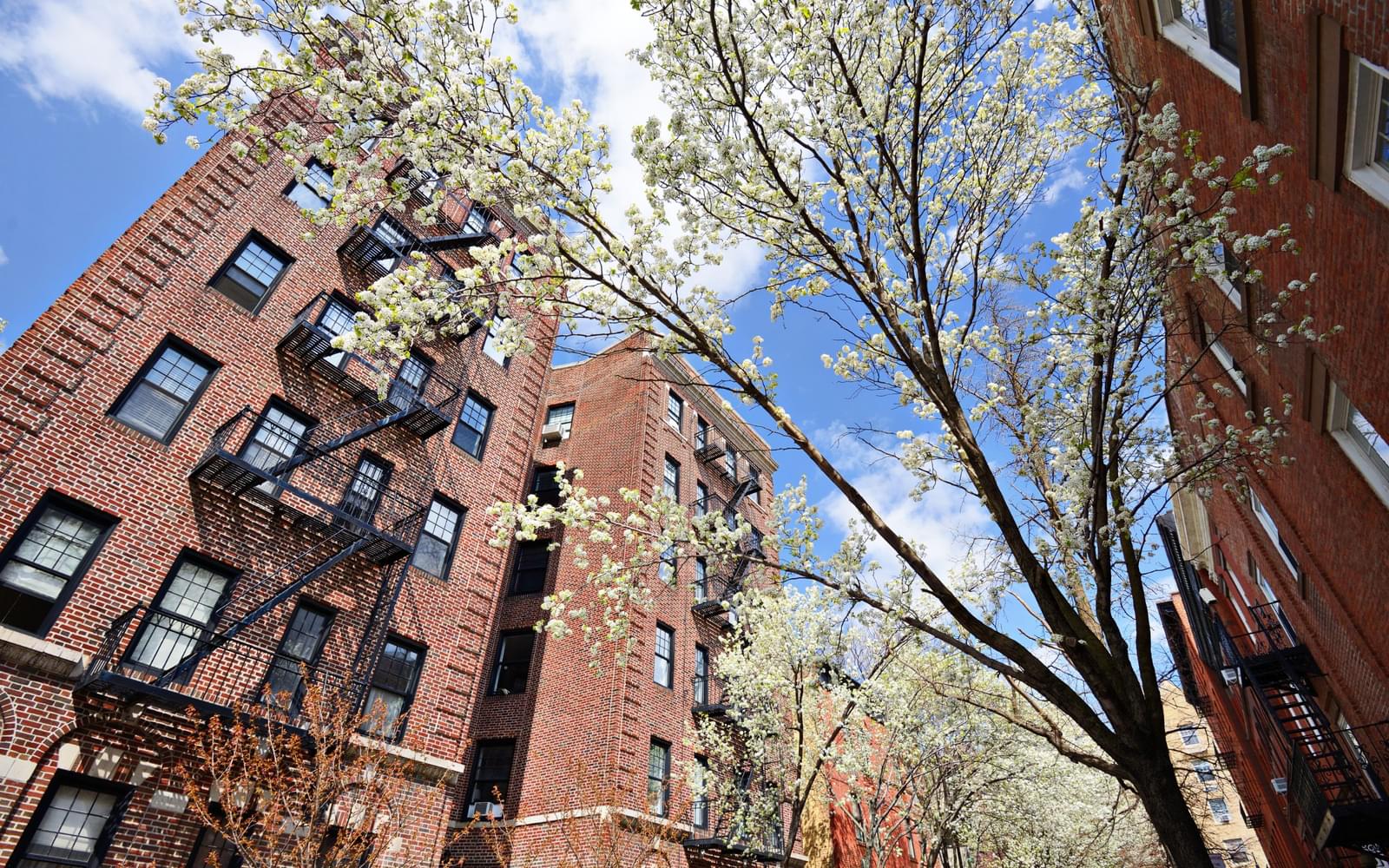
Lenox Hill offers one of Manhattan's widest ranges of luxury residential buildings.
The prewar cooperatives remain the neighborhood's defining housing type. Park Avenue, Fifth Avenue, and many side streets feature distinguished buildings from the 1920s through the 1940s, with gracious floor plans, high ceilings, formal entertaining spaces, and meticulously maintained common areas. Many remain among the city's most desirable cooperative addresses.
Luxury condominiums have become an increasingly important part of the market. Buildings such as 200 East 83rd Street, 180 East 88th Street at the neighborhood's northern edge, and numerous boutique developments throughout Lenox Hill provide buyers with newer construction, full-service amenities, and greater ownership flexibility than traditional cooperatives.
Postwar full-service buildings occupy much of Third Avenue, First Avenue, and several cross streets, offering doormen, garages, fitness centers, and practical layouts that appeal to both primary residents and pied-à-terre buyers.
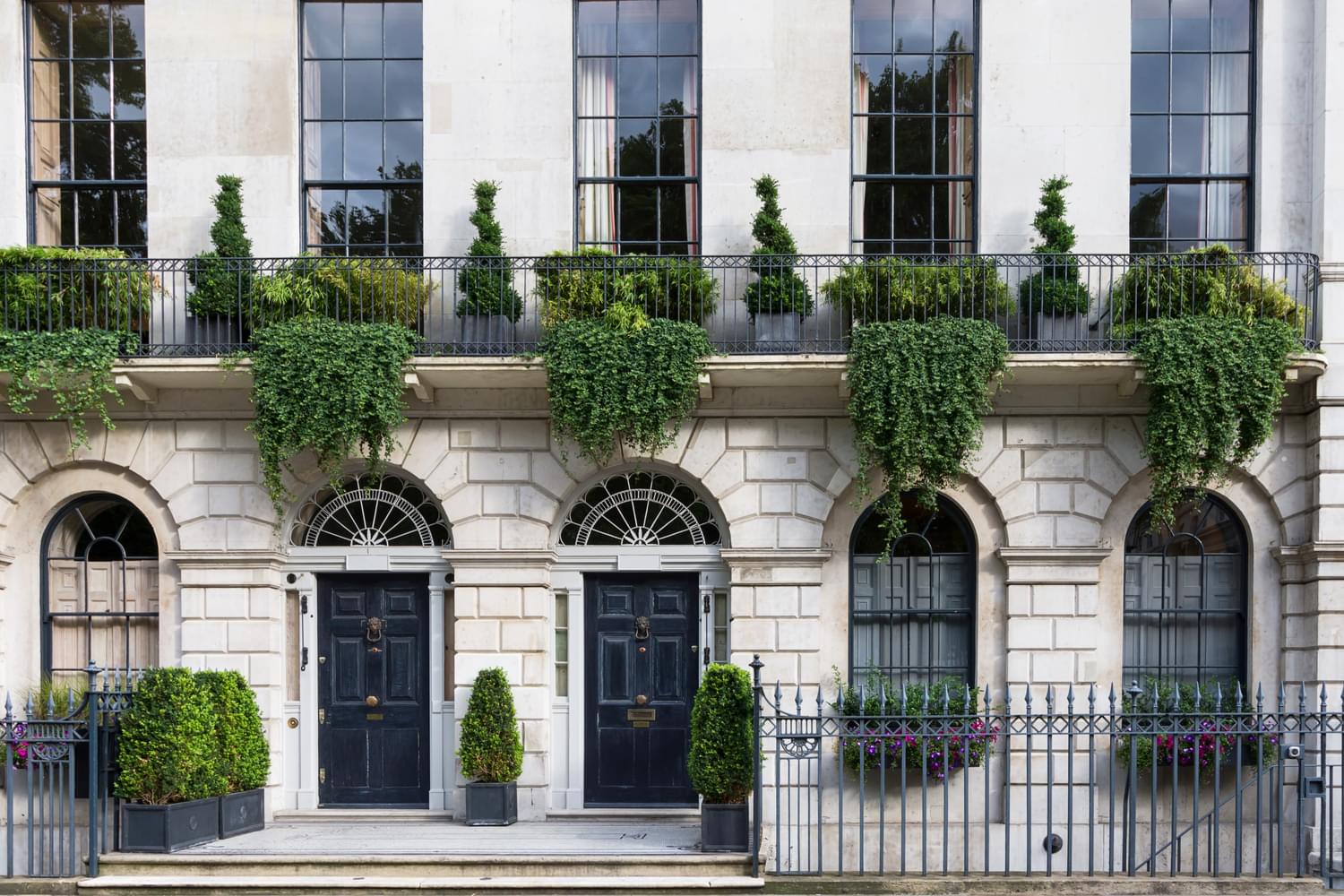
The neighborhood also contains a limited but highly desirable collection of townhouses, particularly along tree-lined side streets east of Madison Avenue, many of which have been carefully restored as single-family residences or boutique multifamily homes.
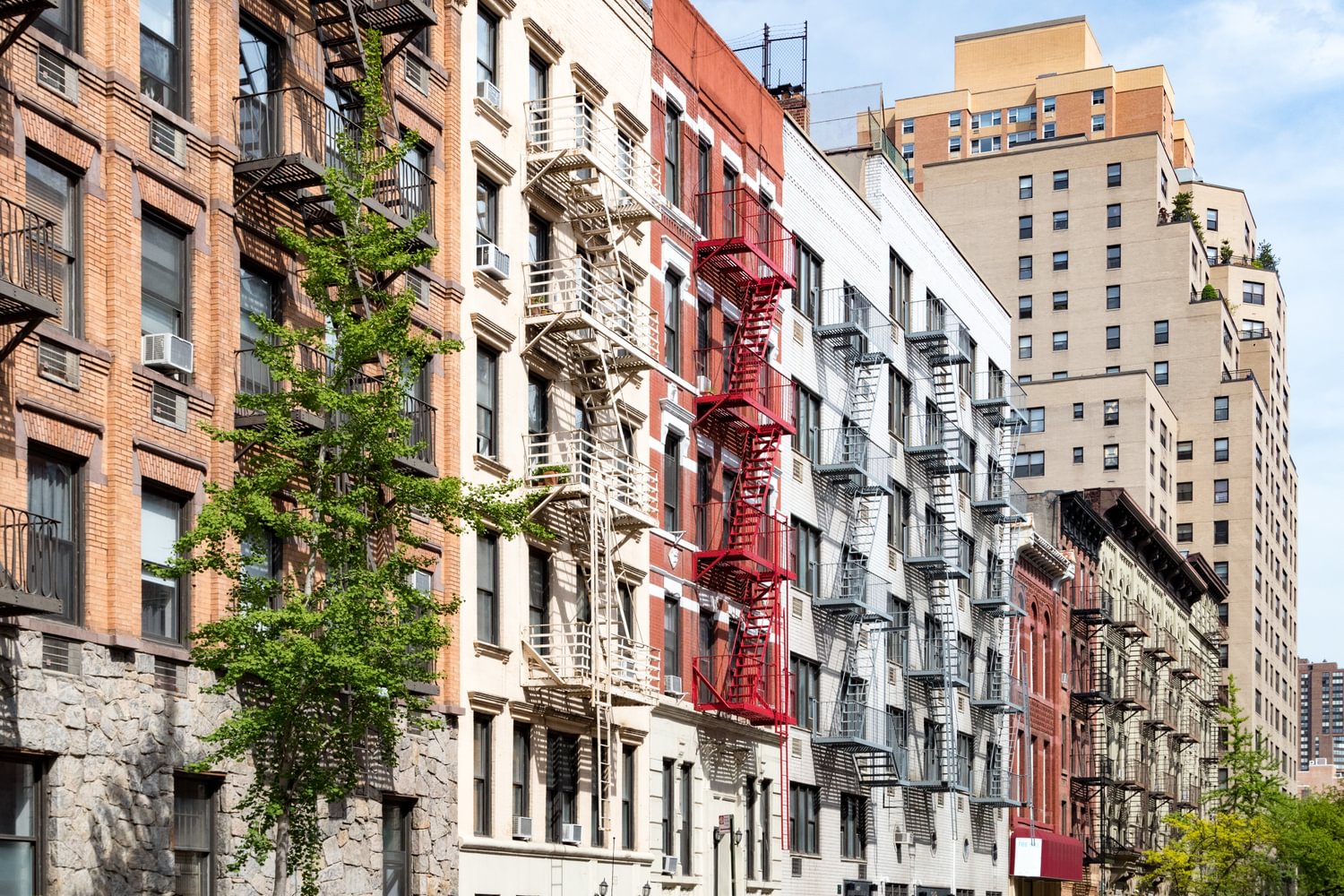
Lenox Hill continues to evolve through selective redevelopment rather than wholesale transformation.
Most new residential construction takes the form of boutique condominiums replacing smaller commercial or residential buildings. Office-to-residential conversions play a smaller role here than in Midtown, while the neighborhood's mature streetscape and limited development sites naturally constrain large-scale projects.
Luxury condominium development remains active, but new supply enters the market gradually. As a result, Lenox Hill continues to preserve its established architectural character while steadily adding modern housing options for buyers seeking new construction.
Lenox Hill offers many of the qualities buyers associate with the Upper East Side, but they come with meaningful trade-offs.
Many of the neighborhood's most prestigious buildings are cooperatives with rigorous board approval, substantial financial requirements, and restrictions on financing, renovations, or future rentals. Buyers seeking maximum flexibility may find condominiums more suitable, though those often command significant premiums.
The neighborhood also carries premium pricing. Proximity to Central Park, Madison Avenue, top schools, and world-renowned medical institutions consistently supports demand, making Lenox Hill one of Manhattan's most competitive residential markets.
Street life varies considerably by location. Madison and Park Avenues feel refined and residential, while Lexington Avenue serves as a busy commercial corridor and the eastern avenues are shaped in part by the surrounding medical institutions.
For many buyers, those trade-offs are precisely what make Lenox Hill so enduring. It offers the architecture, location, and neighborhood character that have defined Upper East Side living for generations, while providing enough diversity in its housing stock to appeal to both traditional and contemporary buyers.
17,814 people live in Lenox Hill, where the median age is 54 and the average individual income is $194,367. Data provided by the U.S. Census Bureau.
Total Population
Median Age
Population Density
Average individual Income
There's plenty to do around Lenox Hill, including shopping, dining, nightlife, parks, and more. Data provided by Walk Score and Yelp.
Explore popular things to do in the area, including The Rotunda, Locus Solus Rare Books, and T2 Multisport.
| Name | Category | Distance | Reviews |
Ratings by
Yelp
|
|---|---|---|---|---|
| Dining | 0.38 miles | 0 reviews | 0/5 stars | |
| Shopping | 0.12 miles | 0 reviews | 0/5 stars | |
| Active | 0.22 miles | 2 reviews | 4.5/5 stars | |
| Beauty | 0.19 miles | 2 reviews | 5/5 stars | |
| Beauty | 0.3 miles | 3 reviews | 3.7/5 stars | |
| Beauty | 0.33 miles | 0 reviews | 0/5 stars | |
| Beauty | 0.43 miles | 0 reviews | 0/5 stars | |
|
|
||||
|
|
||||
|
|
||||
|
|
||||
|
|
||||
|
|
Lenox Hill has 9,086 households, with an average household size of 2. Data provided by the U.S. Census Bureau. Here’s what the people living in Lenox Hill do for work — and how long it takes them to get there. Data provided by the U.S. Census Bureau. 17,814 people call Lenox Hill home. The population density is 54,626 and the largest age group is Data provided by the U.S. Census Bureau.
Total Population
Population Density Population Density This is the number of people per square mile in a neighborhood.
Median Age
Men vs Women
Population by Age Group
0-9 Years
10-17 Years
18-24 Years
25-64 Years
65-74 Years
75+ Years
Education Level
Total Households
Average Household Size
Average individual Income
Households with Children
With Children:
Without Children:
Blue vs White Collar Workers
Blue Collar:
White Collar:
140 Franklin Street New York, NY 10013
140 Franklin Street New York, NY 10013