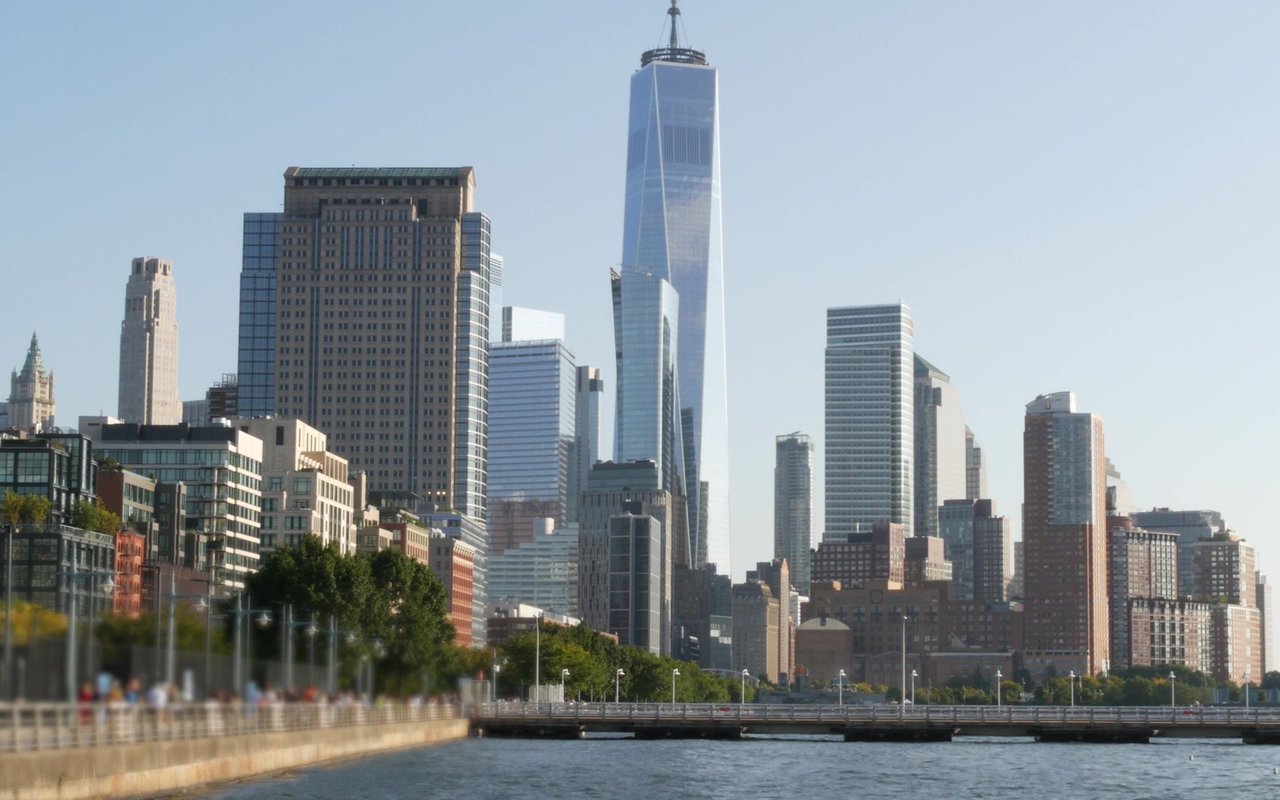
Financial District
The most condo-dense neighborhood in Manhattan. A wave of office-to-residential conversions between 2009 and 2024 reshaped the inventory and turned FiDi into a downtown residential corridor.
Financial District is for buyers who want serious downtown living at meaningful value.
The neighborhood is more residential than its reputation suggests. The converted office towers deliver large-scale, full-service, amenity-rich condo product at materially less per square foot than comparable Tribeca inventory.
This is a neighborhood for buyers who weigh square footage and amenity scale over the gallery-and-restaurant density of the established luxury submarkets.
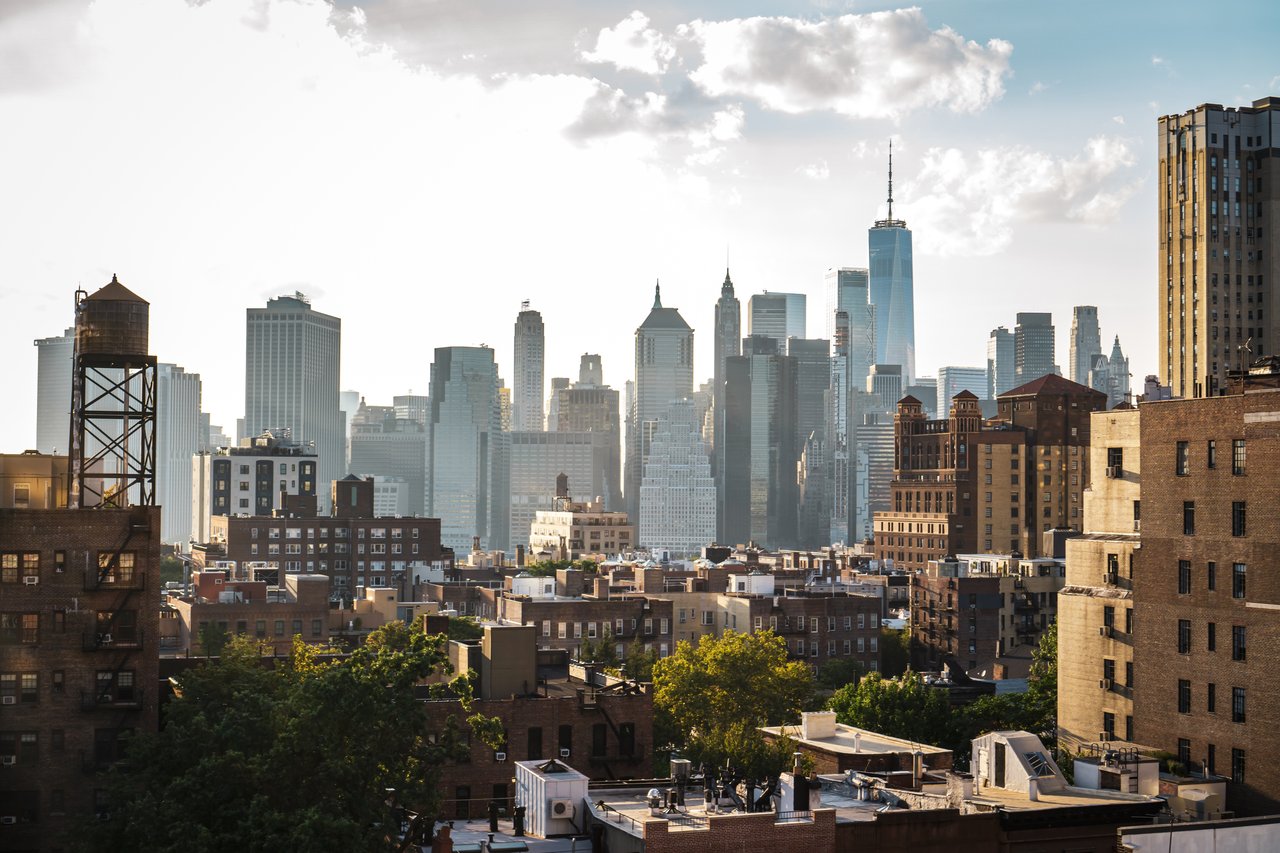
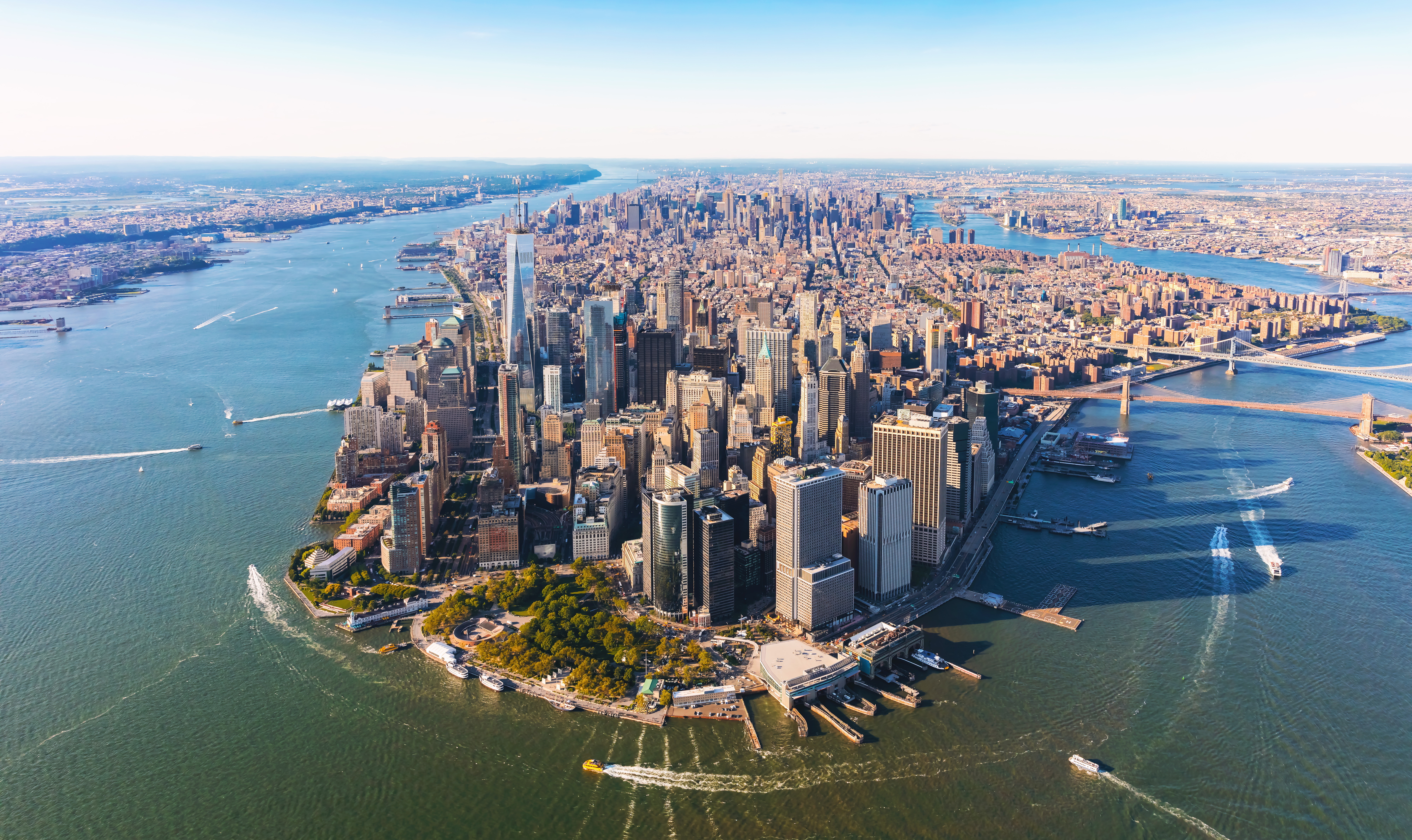
Financial District occupies the southern tip of Manhattan, bounded by Vesey Street on the north, the East River on the east, the Battery on the south, and the Hudson on the west. The Seaport sits inside this footprint along the East River.
The street pattern is the original Dutch grid: narrow, cobblestoned in places, with the modern infrastructure of Lower Manhattan layered on top. Wall Street, Broadway, and Water Street run through the neighborhood.
Transit is the structural advantage. The Oculus and Fulton Center together connect to most subway lines in the city, the PATH train to New Jersey, and the East River Ferry network.
The Seaport on the East River anchors the dining and cultural side of the neighborhood. Pier 17, the Tin Building food hall by Jean-Georges Vongerichten, and the renovated cobblestone streets around Front and South.
Daily logistics improved over the last decade. Whole Foods, Eataly, and smaller grocers anchor the everyday retail. The weekend character is quieter than other downtown neighborhoods, which some buyers prefer.
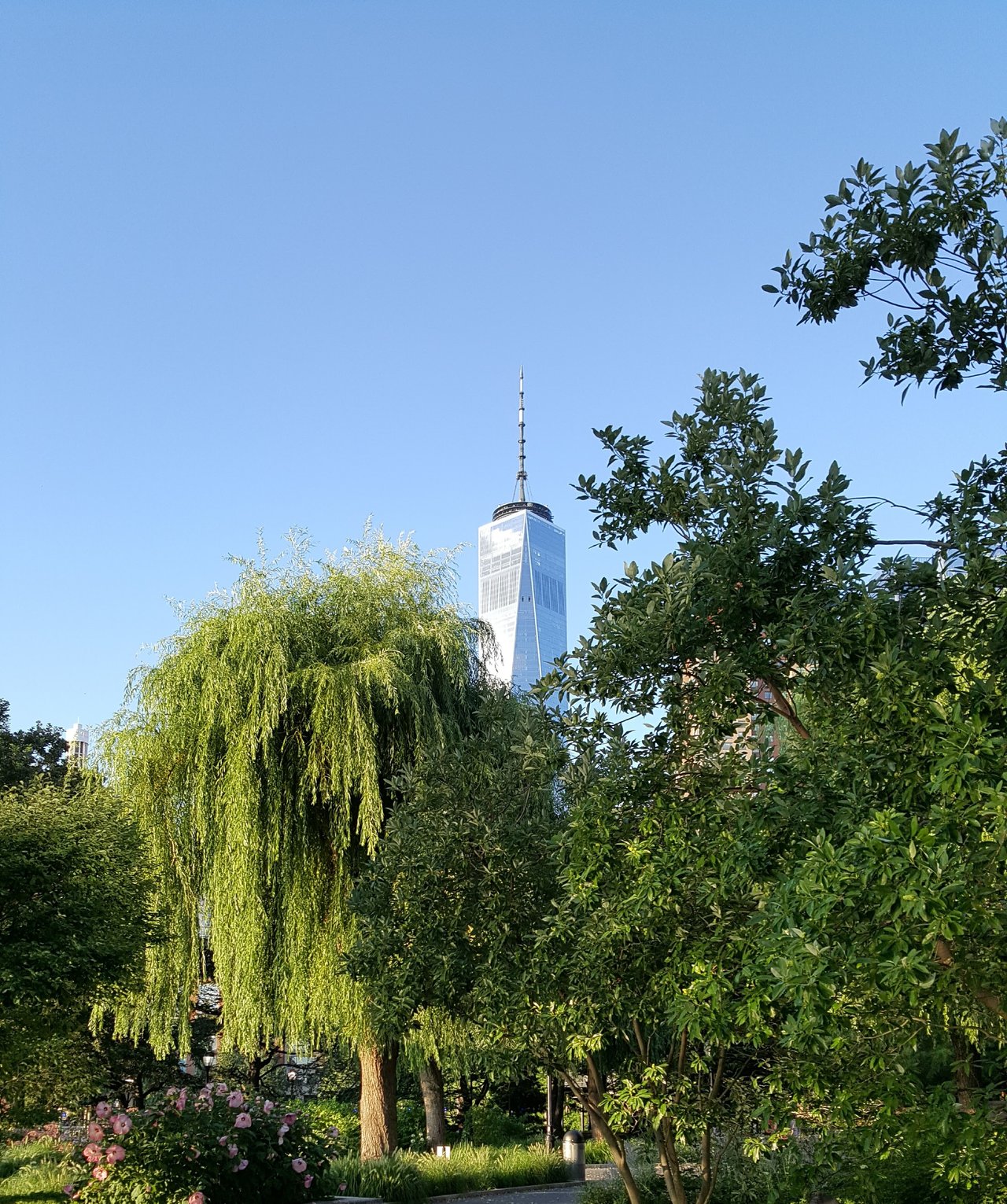
FiDi's residential stock divides into two categories.
Office-to-residential conversions account for the majority of the inventory. Former office towers from the late 19th and early 20th centuries converted to condominium use, with large floor plans and taller ceilings than typical residential ground-up. The trade-off worth understanding: office buildings were designed with deep floor plans and a window perimeter that does not always work for residential layouts. A significant share of the conversion inventory has interior rooms that cannot legally be called bedrooms, so listings often advertise as "two-bed plus home office" or "three-bed plus media room" where the extra space is windowless interior square footage. Buyers comparing inventory should look past the headline bedroom count.
One Wall Street is the largest of the conversions: Harry Macklowe's conversion of the 1.1-million-square-foot Art Deco landmark into 566 condos.
New ground-up condo construction concentrates near City Hall and along the western waterfront. 50 West Street, designed by Helmut Jahn, anchors the western waterfront. 130 William, designed by Sir David Adjaye for Lightstone, brought architecturally distinctive new construction to the William and Fulton Street corridor. 25 Park Row, designed by COOKFOX for L+M Development Partners, sits directly across from City Hall Park.
Both tiers deliver deep amenity packages as a defining FiDi feature: gym, pool, lounge, dining, concierge, and hospitality-grade service. The decision depends on whether you weight conversion-scale floor plans and ceiling heights (with the legal-bedroom caveat above) or ground-up layouts designed as residential from day one.
FiDi quiets down on weekends. The neighborhood's daily population swells during the work week and contracts on Saturdays and Sundays. Some buyers find the calm a meaningful upgrade over the constant activity of other downtown neighborhoods. Others find it unsettling.
The street-level retail and dining density does not match the West Village, SoHo, or Tribeca. The neighborhood has added meaningful grocery and restaurant inventory over the last decade, but the food scene is still maturing.
The architectural scale of the older office towers means many FiDi residential buildings operate at a different density than the boutique buildings of other downtown submarkets. The amenity packages compensate, but the building scale itself reads more institutional than intimate.
For the right buyer, the weekend quiet and the conversion-scale residences are the reason the neighborhood holds the buyers it holds. The value pitch and the transit are real, and the trade-offs are the reason both still exist.
Local Highlights
Eat & Drink
Restaurants, Cafés & Bars
Arts & Culture
Museums & Landmarks
32,471 people live in Financial District, where the median age is 33 and the average individual income is $132,821. Data provided by the U.S. Census Bureau.
Total Population
Median Age
Population Density
Average individual Income
There's plenty to do around Financial District, including shopping, dining, nightlife, parks, and more. Data provided by Walk Score and Yelp.
Explore popular things to do in the area, including Bill's Lobby Stand, Ingalls & Snyder Investments, and Maiden Lane Properties.
| Name | Category | Distance | Reviews |
Ratings by
Yelp
|
|---|---|---|---|---|
| Dining | 0.06 miles | 0 reviews | 0/5 stars | |
| Shopping | 0.19 miles | 0 reviews | 0/5 stars | |
| Shopping | 0.2 miles | 0 reviews | 0/5 stars | |
| Beauty | 0.56 miles | 0 reviews | 0/5 stars | |
|
|
||||
|
|
||||
|
|
||||
|
|
||||
|
|
||||
|
|
Financial District has 16,356 households, with an average household size of 2. Data provided by the U.S. Census Bureau. Here’s what the people living in Financial District do for work — and how long it takes them to get there. Data provided by the U.S. Census Bureau. 32,471 people call Financial District home. The population density is 129,775 and the largest age group is Data provided by the U.S. Census Bureau.
Total Population
Population Density Population Density This is the number of people per square mile in a neighborhood.
Median Age
Men vs Women
Population by Age Group
0-9 Years
10-17 Years
18-24 Years
25-64 Years
65-74 Years
75+ Years
Education Level
Total Households
Average Household Size
Average individual Income
Households with Children
With Children:
Without Children:
Blue vs White Collar Workers
Blue Collar:
White Collar:
140 Franklin Street New York, NY 10013
140 Franklin Street New York, NY 10013