Fulton Seaport
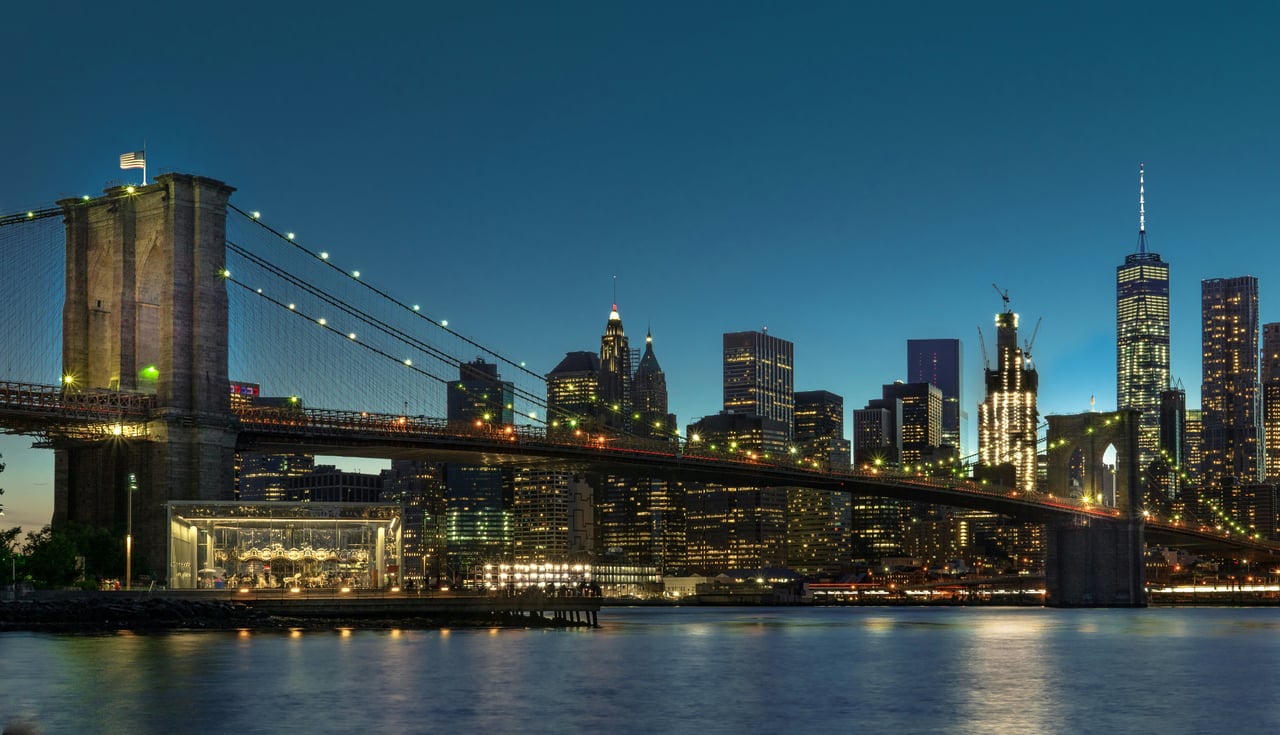
A historic waterfront neighborhood where New York's original commercial district meets contemporary luxury living, combining restored maritime buildings, new residential towers, and some of Manhattan's most dramatic riverfront views.
Fulton Seaport is for buyers who want a neighborhood unlike anywhere else in Manhattan—one where history, waterfront living, and new development exist side by side.
The neighborhood appeals to buyers looking for something more intimate than the Financial District and more historic than Battery Park City. Some are drawn to converted warehouse lofts overlooking cobblestone streets, while others prefer modern condominiums with panoramic East River and Brooklyn Bridge views.
The decision here is often about atmosphere rather than prestige. Buyers choosing Fulton Seaport value character, waterfront access, and a neighborhood that feels distinctly separate from the pace of Midtown while remaining minutes from the city's financial and civic centers.

Fulton Seaport occupies the southeastern corner of Lower Manhattan, generally stretching from the Brooklyn Bridge south toward the Financial District, with the East River forming its eastern edge.
The neighborhood grew around one of New York's original ports, and much of that history remains visible today. Cobblestone streets, restored 19th-century mercantile buildings, and preserved warehouse architecture distinguish the area from nearly every other Manhattan neighborhood. Much of the district falls within the South Street Seaport Historic District, helping preserve its historic character.
Over the past two decades, the neighborhood has undergone significant reinvestment. Pier 17 has become a year-round destination for dining, entertainment, and rooftop concerts, while the East River Esplanade has expanded public access to the waterfront. New restaurants, hotels, and residential developments have transformed the area into a neighborhood that serves residents as much as visitors.
Despite its growing popularity, Fulton Seaport remains relatively compact. Most destinations are within a few blocks, and residents can easily walk to the Financial District, Battery Park, City Hall, the Brooklyn Bridge, and multiple subway lines.
The defining feature, however, is the waterfront itself. Views across the East River toward Brooklyn, frequent ferry traffic, and direct access to the harbor give the neighborhood an openness that is uncommon in Manhattan.

Fulton Seaport offers a relatively small but distinctive residential inventory.
Luxury condominiums make up much of the newer housing stock. Buildings such as One Seaport, 130 William Street just to the west, and several boutique developments combine contemporary architecture with high-end amenities, concierge services, and expansive river or skyline views. Many residences feature floor-to-ceiling windows and generous outdoor space that takes advantage of the waterfront setting.
Historic loft conversions provide an entirely different ownership experience. Former commercial buildings have been transformed into residences with exposed brick, timber beams, oversized windows, and layouts that reflect the neighborhood's industrial past. These homes appeal to buyers seeking architectural character rather than standardized luxury finishes.
Boutique residential buildings fill out the remainder of the market. Most contain relatively few residences, creating a quieter ownership experience than the large towers found elsewhere in Manhattan.
Unlike many Upper East Side neighborhoods, cooperatives are relatively uncommon. Condominium ownership dominates, providing greater flexibility for primary residences, pied-à-terres, and international buyers.

Fulton Seaport continues to evolve through carefully managed redevelopment that balances preservation with new construction.
Several development sites remain in and around the Seaport district, though large-scale projects have become less common as much of the waterfront has already been transformed. New residential buildings, hotel projects, and public space improvements continue to emerge, particularly around the edges of the historic district where zoning allows for greater density.
Future growth will likely focus on mixed-use development, resiliency improvements along the waterfront, and continued investment in public spaces designed to address long-term climate challenges while enhancing neighborhood amenities.
Rather than dramatically changing the neighborhood's identity, the current pipeline is expected to strengthen its role as one of Lower Manhattan's premier waterfront residential communities.

Fulton Seaport offers one of Manhattan's most distinctive living environments, but buyers should understand its unique considerations.
Tourism is part of daily life. Pier 17, the historic district, waterfront attractions, and seasonal events draw visitors throughout the year, particularly on weekends and during the summer months. Buyers seeking complete residential quiet may find neighboring Tribeca or parts of the Financial District more subdued.
The waterfront also brings practical considerations. While extensive resiliency investments continue throughout Lower Manhattan following Hurricane Sandy, buyers should understand ongoing infrastructure projects and flood protection initiatives that remain part of the neighborhood's long-term planning.
Inventory is relatively limited, and each building offers a distinctly different ownership experience. Buyers often find themselves choosing between historic loft character and contemporary luxury, with comparatively few options available in either category at any given time.
For buyers who value history, architecture, and waterfront living, however, Fulton Seaport offers something increasingly rare in Manhattan: a neighborhood where New York's earliest streets and newest residences coexist along one of the city's most dramatic shorelines.
23,342 people live in Fulton Seaport, where the median age is 34.1 and the average individual income is $80,127. Data provided by the U.S. Census Bureau.
Total Population
Median Age
Population Density
Average individual Income
There's plenty to do around Fulton Seaport, including shopping, dining, nightlife, parks, and more. Data provided by Walk Score and Yelp.
Explore popular things to do in the area, including NYC Restaurant Week Truck, Bill's Lobby Stand, and American Fu Zhou Grocery.
| Name | Category | Distance | Reviews |
Ratings by
Yelp
|
|---|---|---|---|---|
| Dining | 0.4 miles | 1 review | 4/5 stars | |
| Dining | 0.43 miles | 0 reviews | 0/5 stars | |
| Dining | 0.59 miles | 0 reviews | 0/5 stars | |
| Dining | 0.7 miles | 0 reviews | 0/5 stars | |
| Dining | 0.81 miles | 2 reviews | 3.5/5 stars | |
| Dining | 0.84 miles | 0 reviews | 0/5 stars | |
| Shopping | 0.53 miles | 0 reviews | 0/5 stars | |
| Shopping | 0.75 miles | 0 reviews | 0/5 stars | |
| Shopping | 0.76 miles | 0 reviews | 0/5 stars | |
| Shopping | 0.77 miles | 0 reviews | 0/5 stars | |
| Active | 0.29 miles | 0 reviews | 0/5 stars | |
| Active | 0.29 miles | 0 reviews | 0/5 stars | |
| Active | 0.39 miles | 0 reviews | 0/5 stars | |
| Active | 0.41 miles | 0 reviews | 0/5 stars | |
| Active | 0.54 miles | 0 reviews | 0/5 stars | |
| Active | 0.76 miles | 0 reviews | 0/5 stars | |
| Active | 0.8 miles | 0 reviews | 0/5 stars | |
| Beauty | 0.39 miles | 0 reviews | 0/5 stars | |
| Beauty | 0.51 miles | 1 review | 5/5 stars | |
| Beauty | 0.6 miles | 1 review | 5/5 stars | |
| Beauty | 0.73 miles | 0 reviews | 0/5 stars | |
| Beauty | 0.76 miles | 0 reviews | 0/5 stars | |
| Beauty | 0.83 miles | 0 reviews | 0/5 stars | |
|
|
||||
|
|
||||
|
|
||||
|
|
||||
|
|
||||
|
|
Fulton Seaport has 10,694 households, with an average household size of 2.02. Data provided by the U.S. Census Bureau. Here’s what the people living in Fulton Seaport do for work — and how long it takes them to get there. Data provided by the U.S. Census Bureau. 23,342 people call Fulton Seaport home. The population density is 80,869 and the largest age group is Data provided by the U.S. Census Bureau.
Total Population
Population Density Population Density This is the number of people per square mile in a neighborhood.
Median Age
Men vs Women
Population by Age Group
0-9 Years
10-17 Years
18-24 Years
25-64 Years
65-74 Years
75+ Years
Education Level
Total Households
Average Household Size
Average individual Income
Households with Children
With Children:
Without Children:
Blue vs White Collar Workers
Blue Collar:
White Collar:
140 Franklin Street New York, NY 10013
140 Franklin Street New York, NY 10013