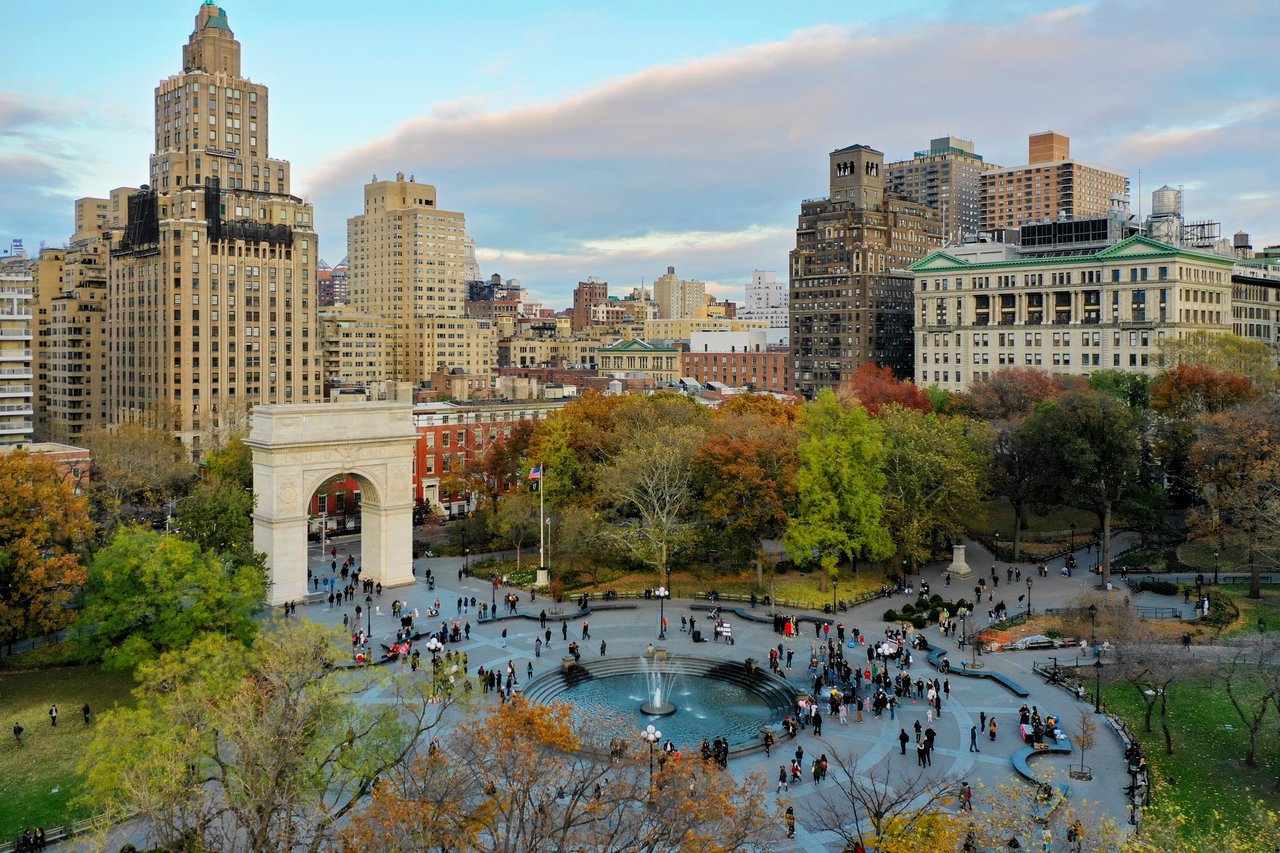
Greenwich Village
Washington Square Park at the center. Federal-era townhouses, brick brownstones, and prewar co-ops on the streets around it. Held in place by the Greenwich Village Historic District.
Greenwich Village is for buyers who value continuity over inventory.
The Village does not move much. The Greenwich Village Historic District covers most of the residential core, and the Landmarks Preservation Commission protects the streetscape. New construction is rare, and transactions happen on the existing building stock.
This is a neighborhood for buyers who are willing to wait for the right residence and care more about what the neighborhood is than what is on the market today.
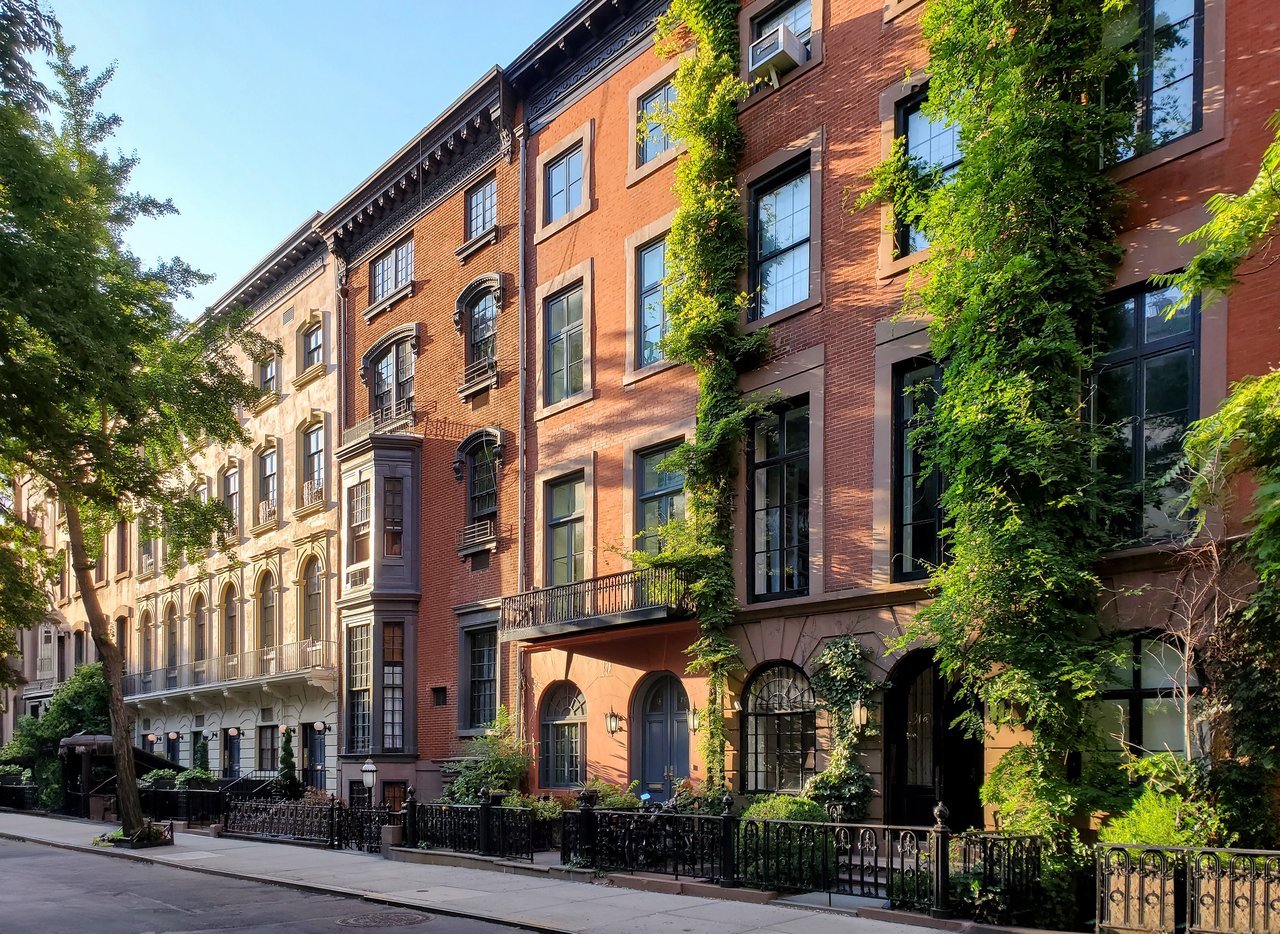
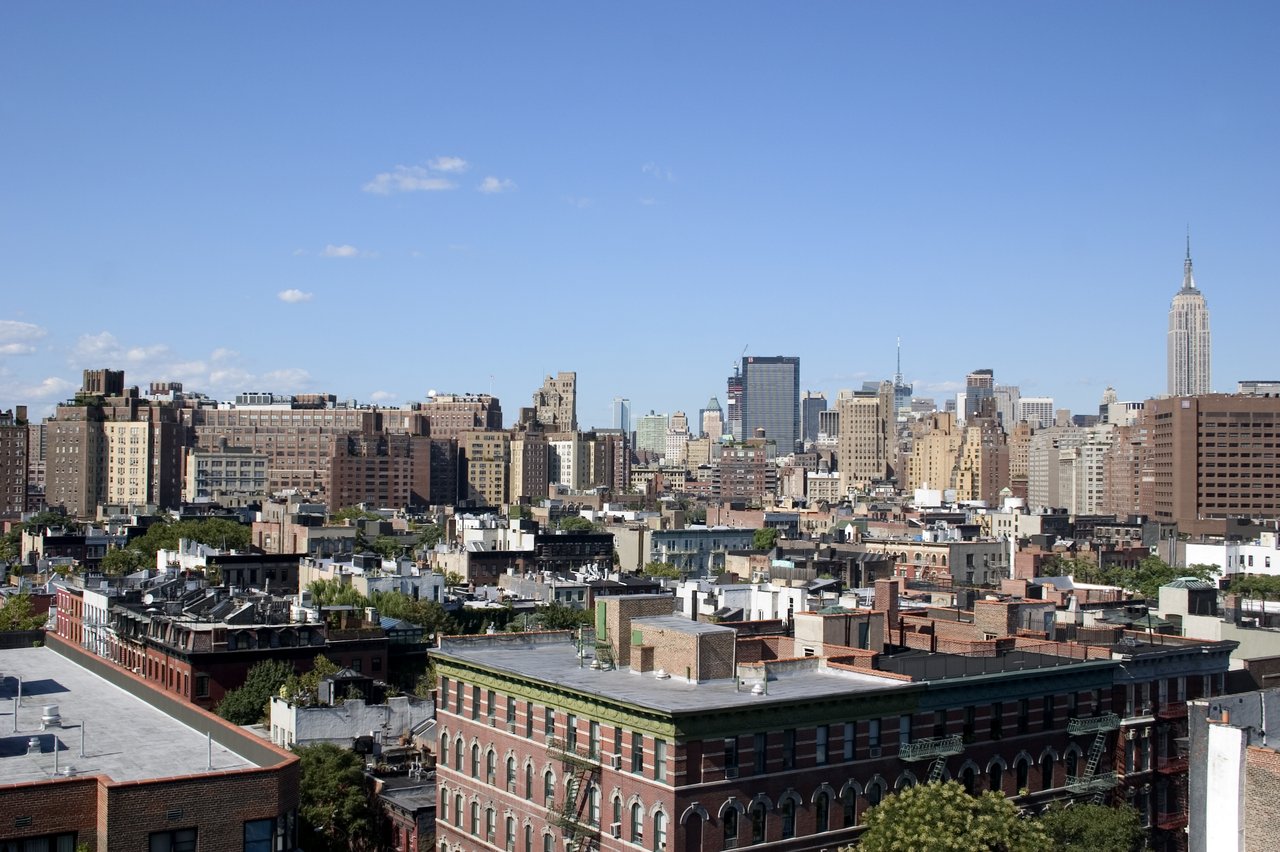
The Village runs roughly from 14th Street south to Houston, and from Sixth Avenue east to Broadway. Washington Square Park is the geographic and social anchor. The streets around it carry a dense concentration of Federal-era and Greek Revival townhouses, and the stretch of lower Fifth Avenue running north to 14th Street, known as the Gold Coast, holds the most prestigious co-op addresses in the neighborhood.
The character is genuinely residential. NYU has a significant footprint along the southern and eastern edges, but the core residential streets, particularly between Sixth Avenue and Fifth, hold their pace. The MacDougal-Sullivan Gardens Historic District. The brownstone blocks on West 11th, 12th, and 13th. The Mews.
Dining is dense and long-tenured. Babbo. Carbone. Minetta Tavern. Many of the Village's defining restaurants have been in the same spaces for decades.
The Whitney moved to the Meatpacking District in 2015, but the cultural texture of the Village remains: the small theaters, the jazz clubs on Bleecker, the bookstores.
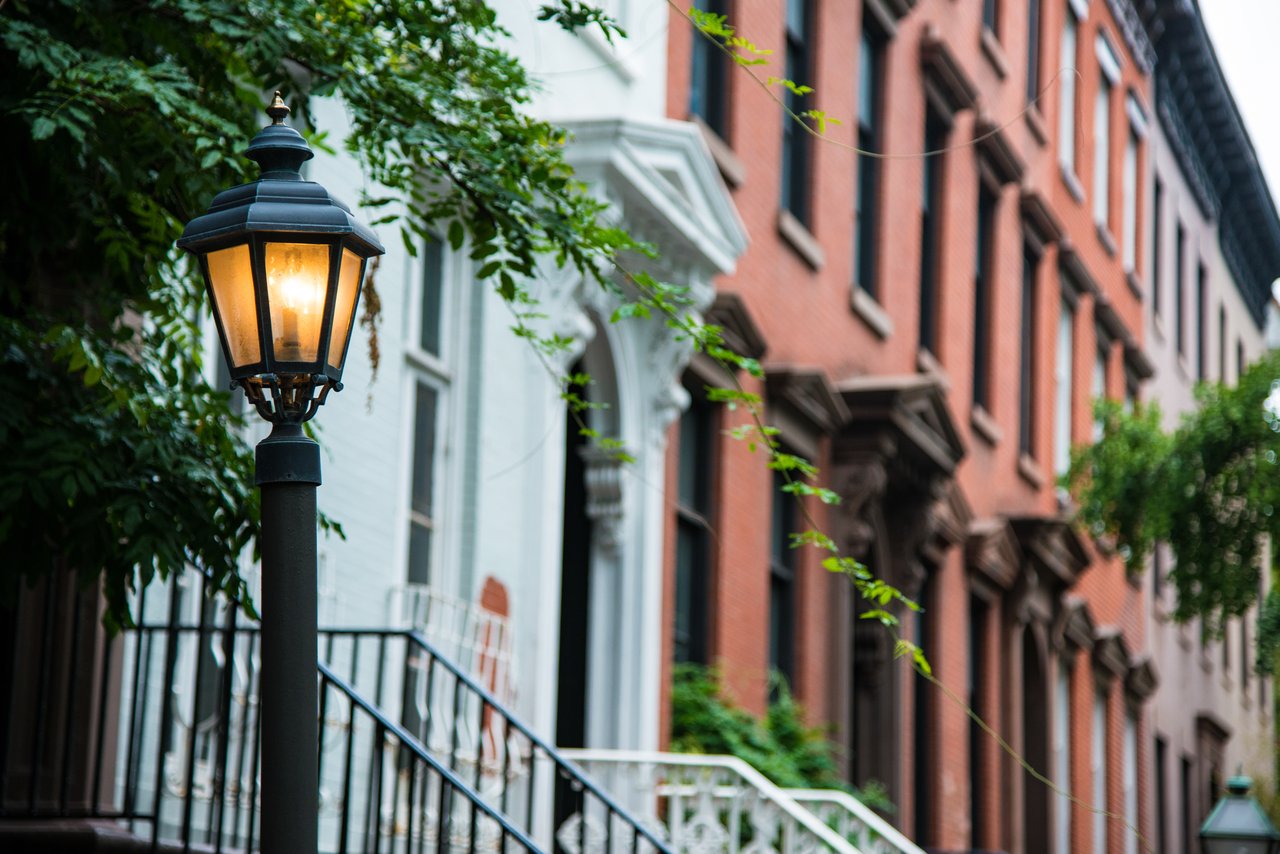
Greenwich Village has one of the widest building-type ranges in lower Manhattan. The historic districts protect what exists, and what exists is varied.
Federal-era and Greek Revival townhouses define the core. Many are intact single-residence homes. Others were converted to multi-unit co-ops or condos decades ago. Several brick brownstone rows. Prewar co-op buildings on lower Fifth Avenue, known as the Gold Coast, plus the major cross streets. A fair number of postwar co-op buildings, particularly along the major avenues, typically the most accessible price-per-foot tier in the neighborhood. A small but growing tier of new and converted condominiums.
Townhouses trade rarely and at significant premiums when they do. Gold Coast co-op buildings carry the strongest pedigree. New condo product is concentrated in a handful of buildings that have come online in the last fifteen years.
The right path depends on whether you want fee-simple ownership, prewar co-op character, or contemporary condo systems.
The Village does not get many new projects. Two recent and forthcoming buildings matter.
Sixteen Fifth Avenue. Robert A.M. Stern Architects, developed by Madison Realty Capital. 14 full-floor and duplex residences in a limestone building at the corner of Fifth and 9th, designed to read as prewar. Active sales. A 6,800-square-foot penthouse asking $45 million signed in April 2026, leading Manhattan luxury contracts that week.
11 West 13th Street. Kohn Pedersen Fox, developed by Legion Investment Group and EJS Group. A 30-story, 34-residence tower set to be the tallest building in Greenwich Village. The Department of Buildings is processing a zoning challenge filed by Village Preservation. Excavation is underway, sales expected to launch mid-2026, completion targeted for 2027.
Inventory is the constraint. The historic districts mean very few new buildings, very few owners moving, and a market that moves on the inventory available rather than the inventory you want.
The Village runs hot on weekends. Bleecker Street, MacDougal, and the streets immediately around Washington Square Park carry significant pedestrian and tourist traffic. The residential streets one or two blocks off these spines hold their pace, but block selection matters.
NYU's presence is real. The southern and eastern edges of the Village have a different character during the academic year. Buyers expecting a fully residential, all-private-streets neighborhood feel will find pockets of the Village that meet that, and pockets that do not.
For the buyer who can wait, the right residence eventually surfaces. The buildings, the streetscape, and the residential culture have held together because the Historic District has protected them since 1969.
Local Highlights
Eat & Drink
Restaurants, Cafés & Bars
Wellness & Active
Fitness & Recreation
28,649 people live in Greenwich Village, where the median age is 39 and the average individual income is $147,040. Data provided by the U.S. Census Bureau.
Total Population
Median Age
Population Density
Average individual Income
There's plenty to do around Greenwich Village, including shopping, dining, nightlife, parks, and more. Data provided by Walk Score and Yelp.
Explore popular things to do in the area, including Big Enchilada, Garibaldi Plaza, and New View Beauty Salon.
| Name | Category | Distance | Reviews |
Ratings by
Yelp
|
|---|---|---|---|---|
| Dining | 0.24 miles | 0 reviews | 0/5 stars | |
| Active | 0.06 miles | 0 reviews | 0/5 stars | |
| Beauty | 0.23 miles | 0 reviews | 0/5 stars | |
| Beauty | 0.35 miles | 0 reviews | 0/5 stars | |
|
|
||||
|
|
||||
|
|
||||
|
|
||||
|
|
||||
|
|
Greenwich Village has 13,926 households, with an average household size of 2. Data provided by the U.S. Census Bureau. Here’s what the people living in Greenwich Village do for work — and how long it takes them to get there. Data provided by the U.S. Census Bureau. 28,649 people call Greenwich Village home. The population density is 102,744 and the largest age group is Data provided by the U.S. Census Bureau.
Total Population
Population Density Population Density This is the number of people per square mile in a neighborhood.
Median Age
Men vs Women
Population by Age Group
0-9 Years
10-17 Years
18-24 Years
25-64 Years
65-74 Years
75+ Years
Education Level
Total Households
Average Household Size
Average individual Income
Households with Children
With Children:
Without Children:
Blue vs White Collar Workers
Blue Collar:
White Collar:
140 Franklin Street New York, NY 10013
140 Franklin Street New York, NY 10013