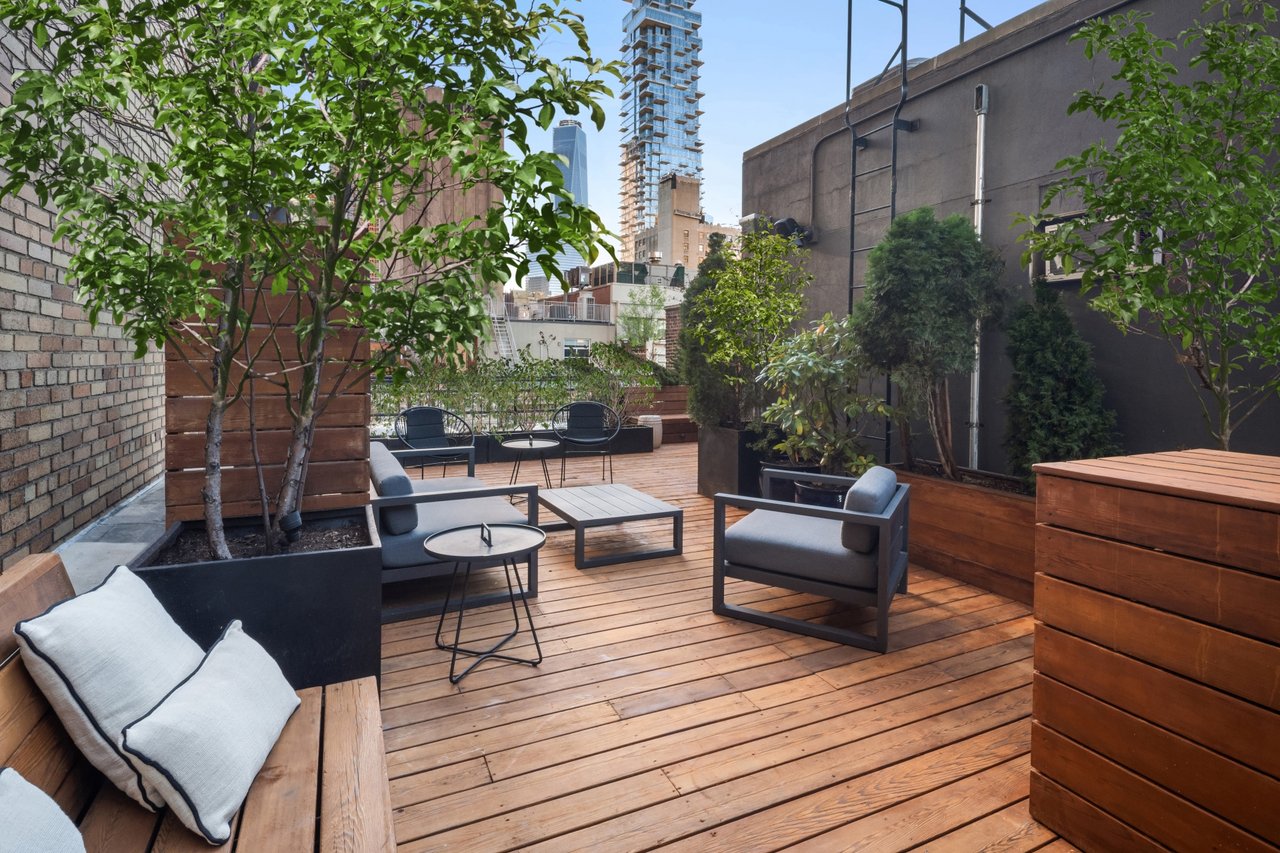
If you are considering the Lower East Side, you are probably weighing a familiar Manhattan tradeoff: how much energy, culture, and convenience you want at your doorstep, and how much quiet you need when the day ends. The LES can offer real character and relative value within downtown Manhattan, but it is not one-note and it is definitely not block-by-block identical. This guide will help you understand how the neighborhood lives, where the busiest pockets are, and what to look for before you buy. Let’s dive in.
Why the Lower East Side feels distinct
The Lower East Side sits within Manhattan Community District 3, with boundaries that stretch generally north to 14th Street, east and south to the East River, and west along Fourth Avenue, the Bowery, Baxter and Pearl Streets, and the Brooklyn Bridge south of Canal Street. That is a wide frame, and it helps explain why the neighborhood does not feel uniform from one end to the other.
What gives the LES its identity is the mix. City and neighborhood sources describe it as a place shaped by diverse cultures, languages, incomes, and long-standing merchant traditions. In practical terms, you feel that in the streetscape, the retail mix, and the way historic institutions sit alongside newer development.
You also see that mix in the cultural anchors. The Tenement Museum preserves the area’s immigrant history, while the Museum at Eldridge Street and the International Center of Photography add very different layers to the neighborhood experience. The result is a part of Manhattan that feels both historic and current at the same time.
Essex Market anchors daily life
If you want one place that captures the everyday rhythm of the neighborhood, Essex Market is a strong starting point. The market has long served as a gathering place on the Lower East Side and today offers food, services, classes, and events.
Its current home opened in 2019 and brought original vendors into a new public-market setting, along with additional businesses. For buyers, that matters because it is more than a shopping stop. It is a reliable daily-life amenity and one of the clearest centers of foot traffic and neighborhood activity.
Delancey Street shapes the neighborhood
Delancey Street is one of the most useful lines to understand before you buy. Planning documents identify it as a major east-west commercial street and a heavily traveled route to and from the Williamsburg Bridge.
That means Delancey is not just a line on a map. It acts as a practical divider between different living experiences, especially when you compare the blocks north of it with those to the south and east.
North of Delancey is busier at night
North of Delancey is where late-night activity is most concentrated. City planning documents note that many bars, small nightclubs, live music venues, and performance spaces cluster between Clinton and Ludlow Streets north of Delancey.
If you are drawn to downtown nightlife, this can be a major plus. If you are sensitive to noise, weekend foot traffic, or late-night congestion, it is something to take seriously rather than treat as background color.
The city’s late-night quality-of-life plan focused on a six-block area along Orchard and Ludlow between Houston and Delancey because of noise, traffic, pedestrian crowding, trash, and public-safety concerns connected to nightlife. For a buyer, that is a useful clue about where the longest nights tend to happen.
South and east of Delancey read differently
South and east of Delancey, the tone generally shifts more residential, even though the area still feels active and urban. Planning documents also note that the southwest portion of the district reflects more Chinatown character along East Broadway and Canal Street.
This is one reason broad neighborhood labels can be misleading. Two homes in the LES can offer very different day-to-day experiences depending on whether you are near the nightlife core, closer to Essex Crossing, or farther south and east toward larger park and community-facility uses.
The blocks to know before buying
The Lower East Side rewards block-level thinking. If you are buying here, the smartest approach is to narrow your search by street pattern and building type, not just by neighborhood name.
Ludlow, Orchard, Rivington, Clinton, and Essex
These are the streets most associated with nightlife and heavier late-evening foot traffic, especially north of Delancey. They are often appealing for buyers who want to be close to restaurants, bars, live music, and constant street energy.
They can be a tougher match if you work from home, keep early hours, or want a more predictable evening sound level. The right apartment can still work on a lively block, but the building’s exposure, floor height, and window orientation matter a great deal.
Delancey and Essex for convenience
The Delancey and Essex area is one of the neighborhood’s busiest commercial and circulation points. It also sits at the center of the Essex Crossing redevelopment, which gives it a more polished, amenity-rich feel than some older parts of the LES.
For some buyers, that convenience is exactly the point. For others, the constant movement can feel like too much. This is the kind of location that benefits from an in-person visit at multiple times of day, especially at night and on weekends.
East Broadway, Grand Street, and the south-east edge
These areas tend to feel more residential and more closely tied to the surrounding Chinatown-adjacent texture. Planning documents point to larger park and community-facility uses here, and note the role of East River Park as a major waterfront open-space asset.
If your priority is a calmer setting within the LES orbit, these streets may deserve a closer look. They still give you access to downtown life, but often with a different pace than the blocks closer to the nightlife core.
East of Essex and north of Delancey
This pocket leans more toward local retail than larger nightlife-format uses. That can make it a useful middle ground for buyers who want neighborhood energy without being directly in the busiest late-night zone.
Orchard Street is especially worth knowing because it closes to vehicles on Sundays between Delancey and East Houston, creating an outdoor pedestrian shopping environment. That gives the street a very different daytime rhythm from its evening identity.
Housing stock ranges from walk-ups to new development
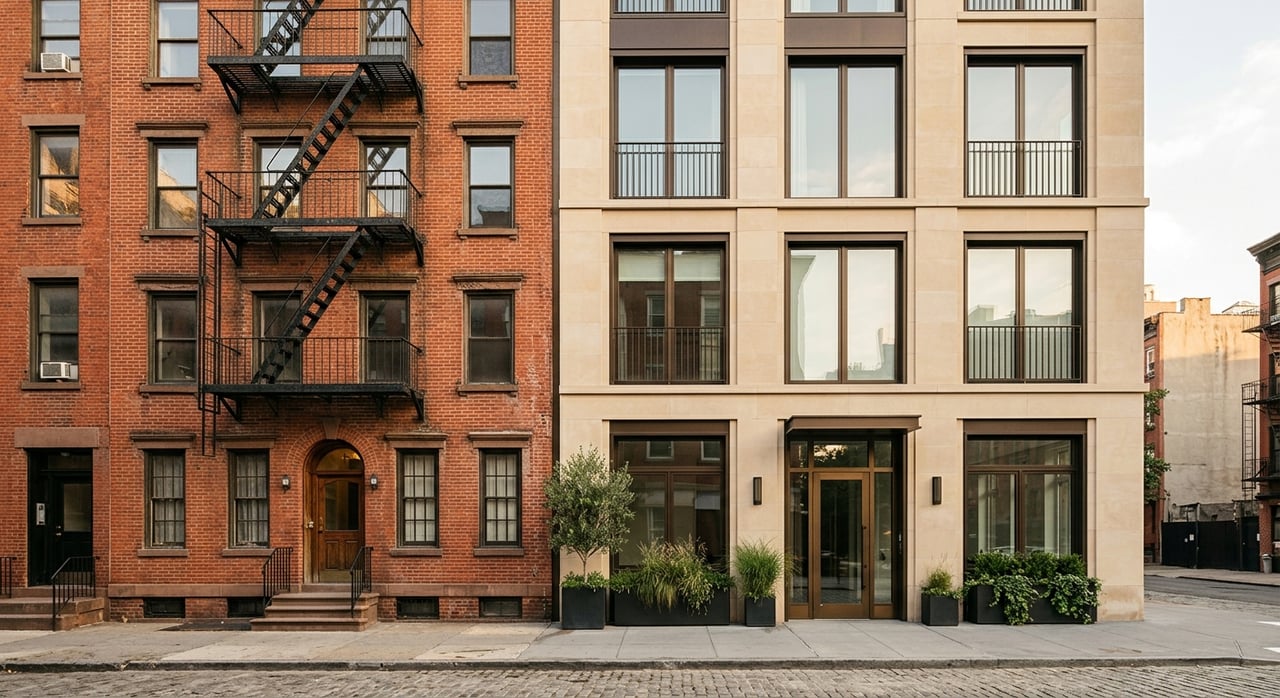
One of the most important LES realities is that the housing stock varies sharply. Older tenement-era buildings remain a defining part of the neighborhood, especially in the historic district.
Planning documents describe classic 19th-century five- and six-story brick-and-stone tenements with street-level commercial space. For buyers, that often translates into walk-up living, smaller floor plates, and layouts that reflect an older building era rather than modern full-service expectations.
That older stock can be appealing if you value scale, texture, and a true neighborhood feel. It can be less appealing if you want elevators, amenity packages, larger common areas, or a more turnkey experience.
Essex Crossing changed the new-build conversation
At the newer end of the market, Essex Crossing has become one of the area’s most important development stories. NYCEDC describes it as a major transformation of formerly undeveloped city-owned land into housing, retail, office, community, and green space.
The project includes 1.9 million square feet of residential, commercial, and community space, along with 561 affordable homes and 15,000 square feet of public open space plus a rooftop urban farm. Across the broader master plan, the total reaches about 2 million square feet, with half of the units described as permanently affordable housing.
For buyers, the point is not just that there are newer residences here. It is that Essex Crossing functions as an amenity hub, with Essex Market, retail, food offerings, and cultural uses helping create a more connected daily routine.
Waterfront towers offer another option
The newer inventory story also extends to the waterfront edge. One Manhattan Square at 252 South Street is an example of the large-scale, amenity-rich condo product now available in this part of Manhattan.
Built in 2019 with 811 units, it represents a very different lifestyle from a classic LES walk-up. If you are deciding between neighborhood character and full-service convenience, this contrast is often at the center of the conversation.
What “value” means on the LES
The Lower East Side is often discussed as offering relative value within downtown Manhattan, but that needs context. StreetEasy’s 2026 watchlist put the neighborhood at No. 4 for the biggest jump in search interest, with a median asking rent of $4,500 and a median asking price of $1.299 million.
That does not mean every part of the LES is inexpensive, or that every building offers the same value equation. It means the neighborhood still presents opportunities for buyers who are willing to compare block, building type, and lifestyle tradeoffs carefully.
In our view, the best value here usually comes from precision. The right block can preserve the neighborhood experience you want while avoiding some of the noise or congestion you do not. The right building type can also shift the math significantly, whether you are choosing between an older walk-up, a boutique condo, or a newer full-service property.
Who the Lower East Side fits best
The LES is a strong match if you want downtown culture, transit convenience, and a neighborhood that feels layered and alive. It can also work well if you appreciate having institutions, markets, galleries, and nightlife all within a compact footprint.
It is a weaker fit if you need quiet, tree-lined predictability or if evening noise is a deal-breaker. StreetEasy also notes that the neighborhood is still relatively limited on green space, which is helpful context if park access is high on your list.
In other words, the Lower East Side is less about perfection and more about alignment. If the neighborhood’s energy matches the way you actually live, it can be one of Manhattan’s most compelling places to buy.
If you are weighing the Lower East Side against other downtown options, the most useful next step is not a generic tour. It is a block-by-block strategy built around your schedule, noise tolerance, building preferences, and long-term goals. The Heather Domi Team brings that kind of candid, precise Manhattan guidance to every search.
FAQs
What part of the Lower East Side is busiest at night?
- The busiest late-night area is generally north of Delancey Street, especially around Ludlow, Orchard, Clinton, and nearby blocks where bars, music venues, and nightlife uses are concentrated.
What does Delancey Street mean for Lower East Side buyers?
- Delancey Street acts as a practical dividing line, with more nightlife concentration to the north and a generally more residential feel to the south and east.
What housing types can you expect on the Lower East Side?
- You can find older tenement-style walk-ups, smaller boutique buildings, newer development around Essex Crossing, and large amenity-rich condos near the waterfront.
Is Essex Crossing important for Lower East Side living?
- Yes. Essex Crossing added new housing, retail, community space, public open space, and Essex Market, making it one of the neighborhood’s key convenience and activity hubs.
Is the Lower East Side a good fit if you want quiet Manhattan living?
- Usually not if quiet is your top priority, especially on nightlife-heavy blocks. The LES is generally a better fit for buyers who want energy, culture, and active streets.
What does value look like on the Lower East Side?
- Value on the LES is less about the whole neighborhood being uniformly cheaper and more about choosing the right block and building type for your budget and lifestyle.