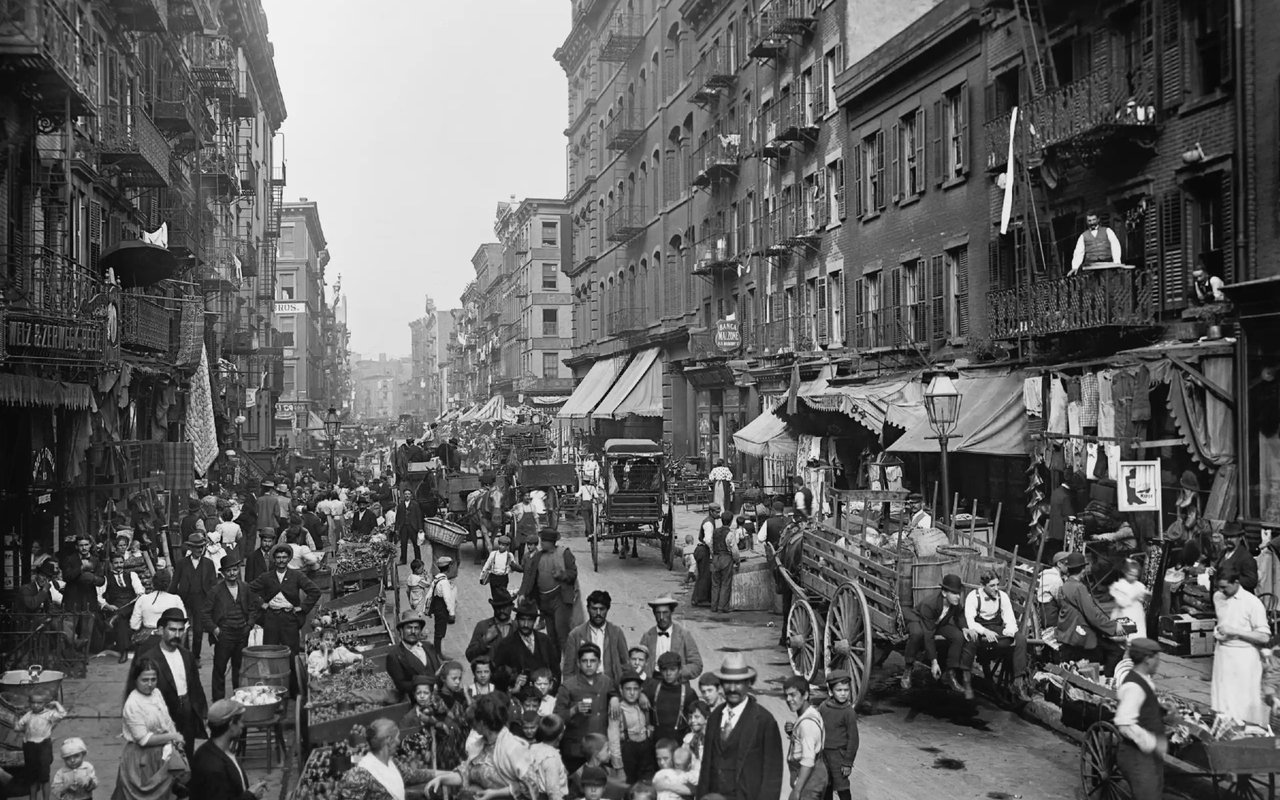
Peter Minuit
Peter Minuit, a Dutch colonial governor, famously acquired Manhattan from the Lenape tribe in 1626 for a mere $24 worth of beads and trinkets, an amount roughly equivalent to $1,200 today—a historically significant deal given the city's current global stature.
Empire State Building
The Empire State Building, completed in 1931, is an iconic landmark in Manhattan, with its own unique zip code, 10118, emphasizing its significance in the city's skyline. This architectural marvel, standing at 103 floors, was constructed in a mere 13 months and is serviced by an impressive 73 elevators.
Manhattanhenge
Coined by NYC native Neil deGrasse Tyson, occurs twice a year when the sunset perfectly aligns with the east-west streets of Manhattan's grid, creating a stunning cityscape that has become a photogenic phenomenon and a celebrated event.
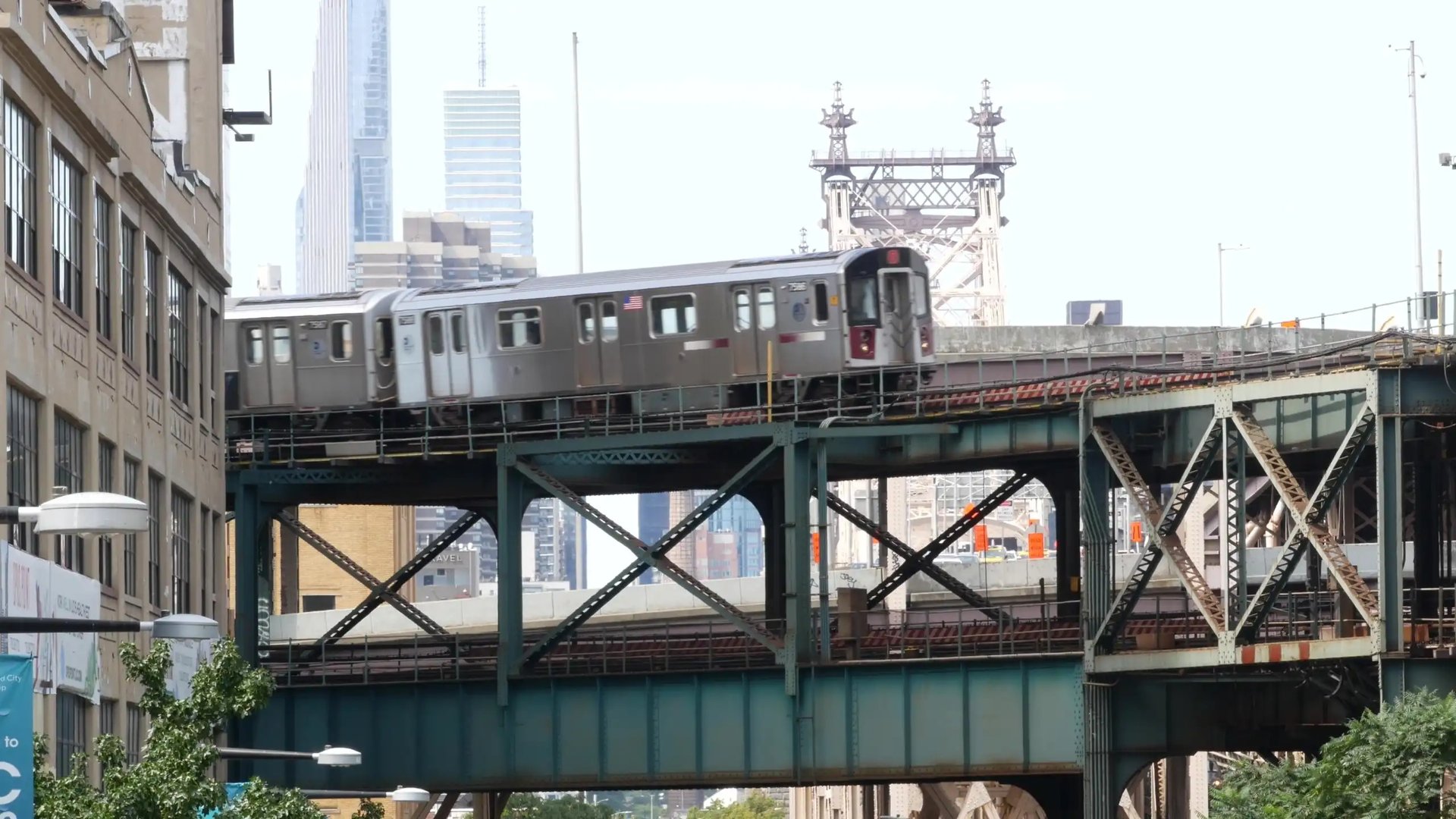
The Subway
The first subway in New York was built in secret by Alfred Beach in 1870 under Broadway from Warren to Murray Street, featuring an elegantly designed pneumatic tube that provided rides to over 400,000 people during its three years of operation. The official New York City subway system, as we know it today, began operation on October 27, 1904, and has since grown to become a vital part of the city's infrastructure, serving millions of New Yorkers and visitors every day.
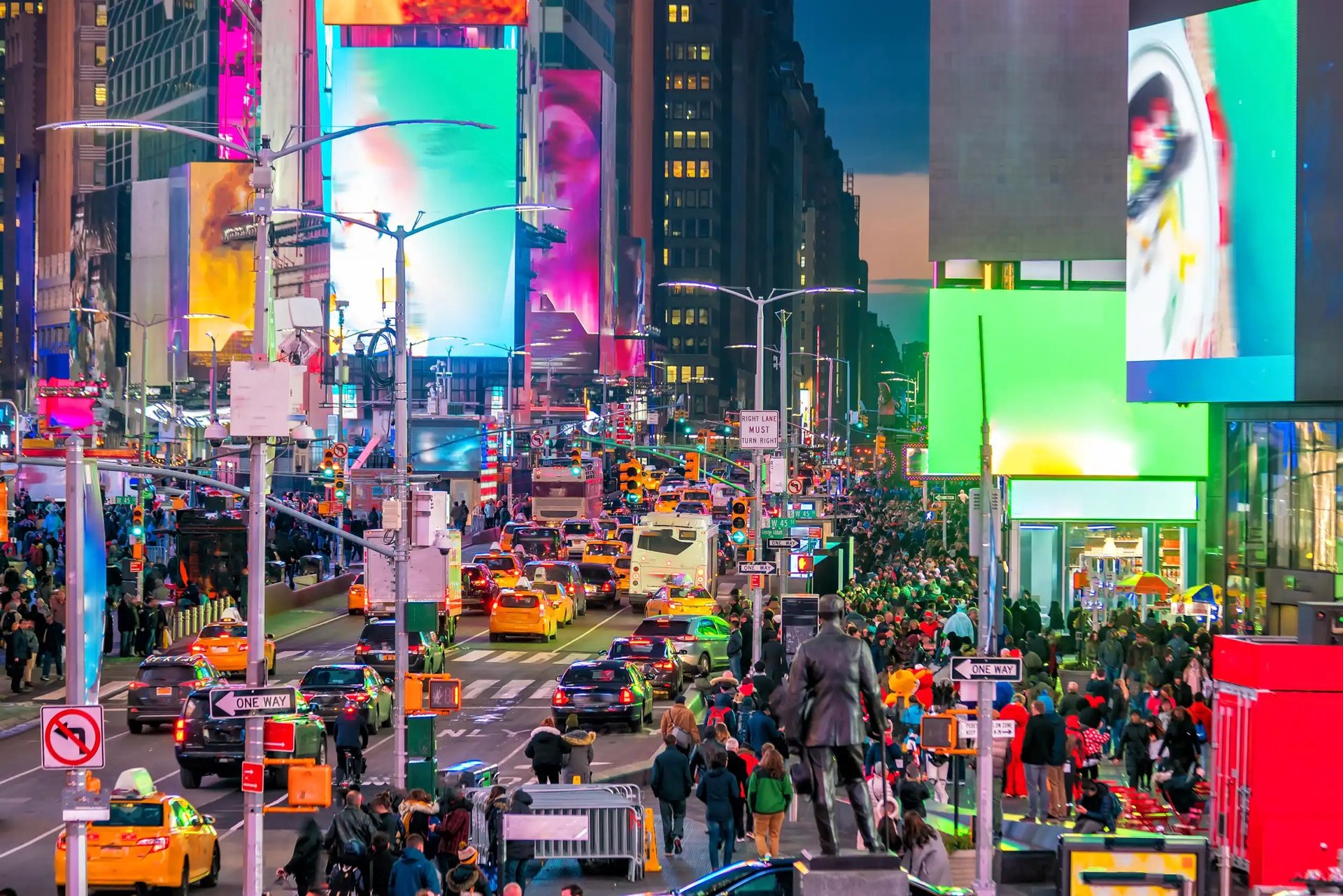
Times Square
Times Square uses 161 megawatts of electricity annually, which is sufficient to power 161,000 average US homes or double the electricity needed for all of Las Vegas' casinos, highlighting the immense energy demand of one of the world's most bustling commercial hubs.
Central Park
The picturesque streams and rivers in Central Park are completely man-made and can be turned on and off. This engineering feat was designed to provide a tranquil escape within the bustling city, illustrating the detailed planning and care put into one of the world's most famous urban parks.