

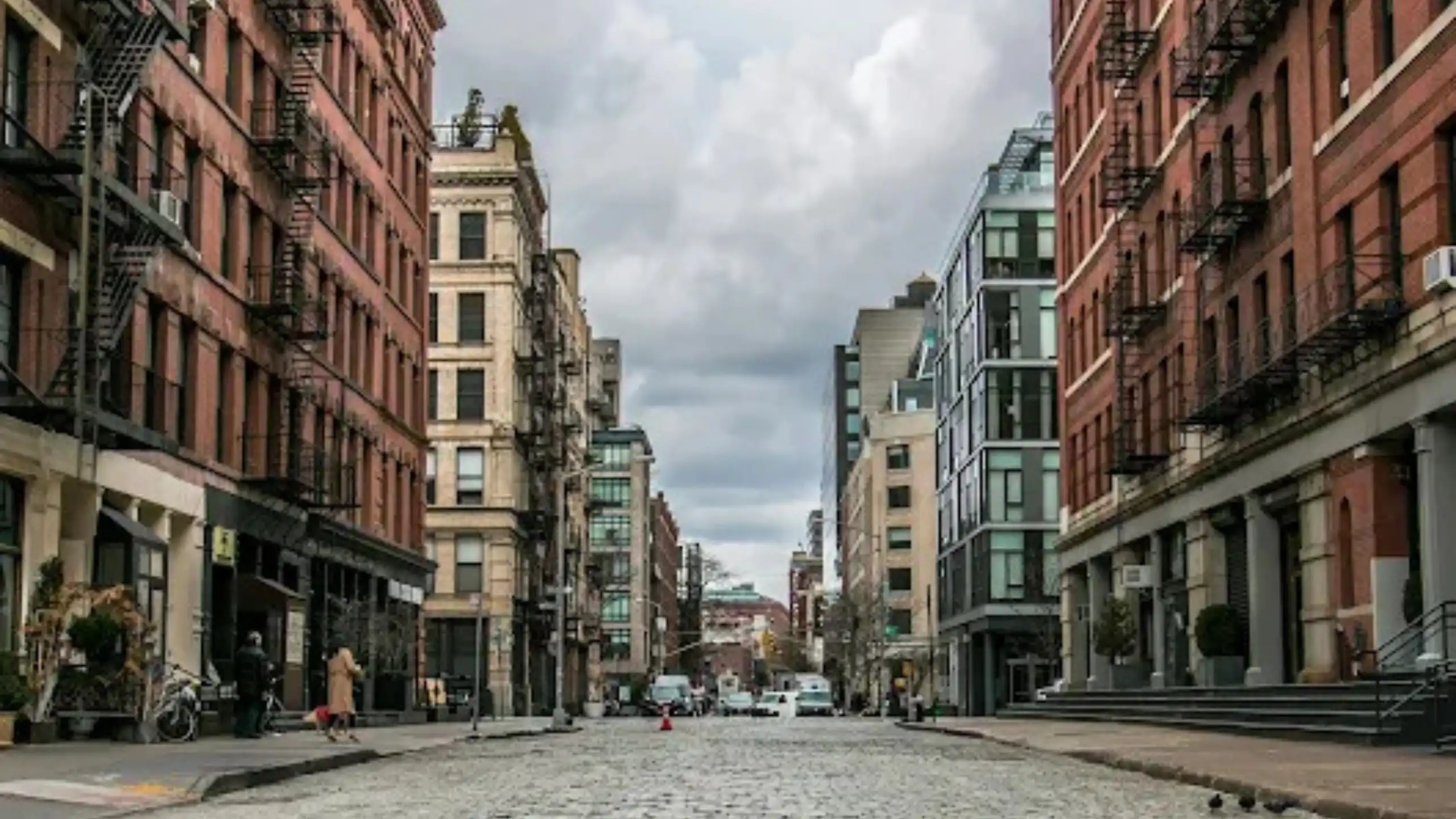
What Future Buyers Will Love About Today's Tribeca
One day, someone will buy your home in Tribeca because of the things you could never renovate.
Not the kitchen. Not the primary bathroom. Not the finishes, appliances or lighting that will inevitably change over time.
They’ll choose it because of everything that already exists beyond the front door. The architecture. The streets. The waterfront. The restaurants that have become neighborhood institutions. The walkability. The sense of place that’s been shaped over generations rather than created all at once.
Those are the qualities that tend to appreciate in ways no renovation budget can match.
One of the most rewarding parts of working in Tribeca is helping people recognize the difference between what’s inside a home and what truly gives it lasting value. Kitchens evolve. Floor plans are reimagined. Design trends come and go.
A neighborhood is different.
Its character is earned over decades.
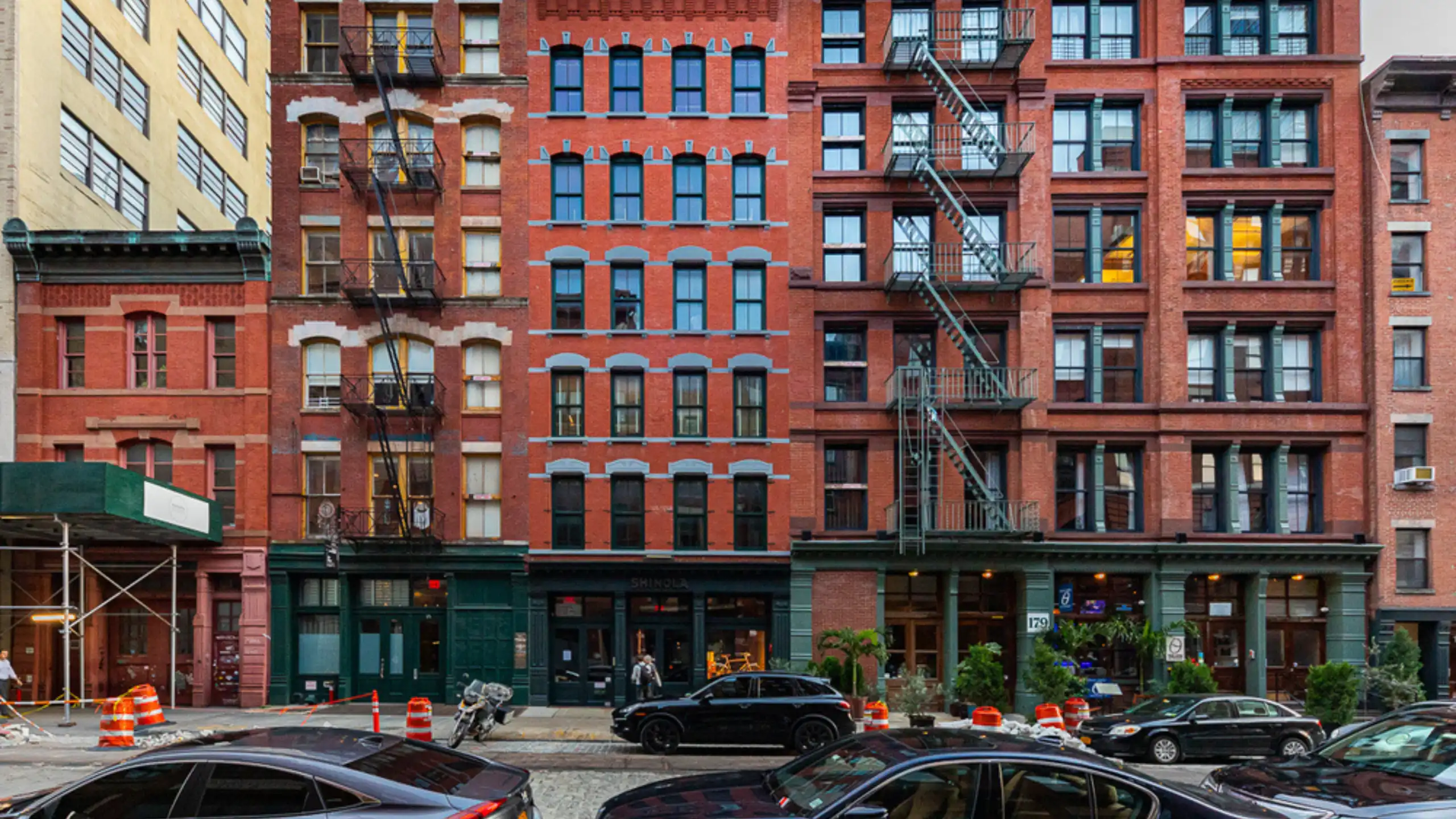
Take a walk along Franklin Street, North Moore Street or Duane Street and you’ll understand exactly what I mean. The warehouse buildings that define these blocks were never designed to become luxury residences. They were built for manufacturers, merchants and publishers at a time when Tribeca was one of New York’s busiest commercial districts.
Today, those same buildings offer soaring ceilings, oversized warehouse windows, original masonry and proportions that are extraordinarily difficult to recreate. These aren’t architectural details inspired by history. They are history.
That’s part of what makes an authentic Tribeca loft so rare.
No architect can replicate 150 years of evolution.
The same is true once you leave the building.
Within just a few minutes, you can walk from a quiet residential block to Hudson River Park, stop for coffee on Greenwich Street, meet friends for lunch, browse independent boutiques, or finish the evening at one of the neighborhood’s restaurants without ever needing a car or even thinking about the subway.
That level of convenience didn’t happen because someone designed a master plan.
It happened because the neighborhood evolved naturally, one business, one building and one block at a time.
The waterfront is perhaps the best example.
Today it’s difficult to imagine Tribeca without Hudson River Park, but what residents enjoy today is the result of decades of thoughtful investment. Tennis at Pier 25, kayaking on the Hudson, ecological gardens at Pier 26, miles of waterfront paths and some of the city’s most spectacular sunsets have become part of everyday life.
Future residents won’t think of these as improvements.
They’ll simply think of them as part of living in Tribeca.
The same can be said for the neighborhood’s dining culture.
Great cities have great restaurants.
Great neighborhoods have places that become part of people’s lives.
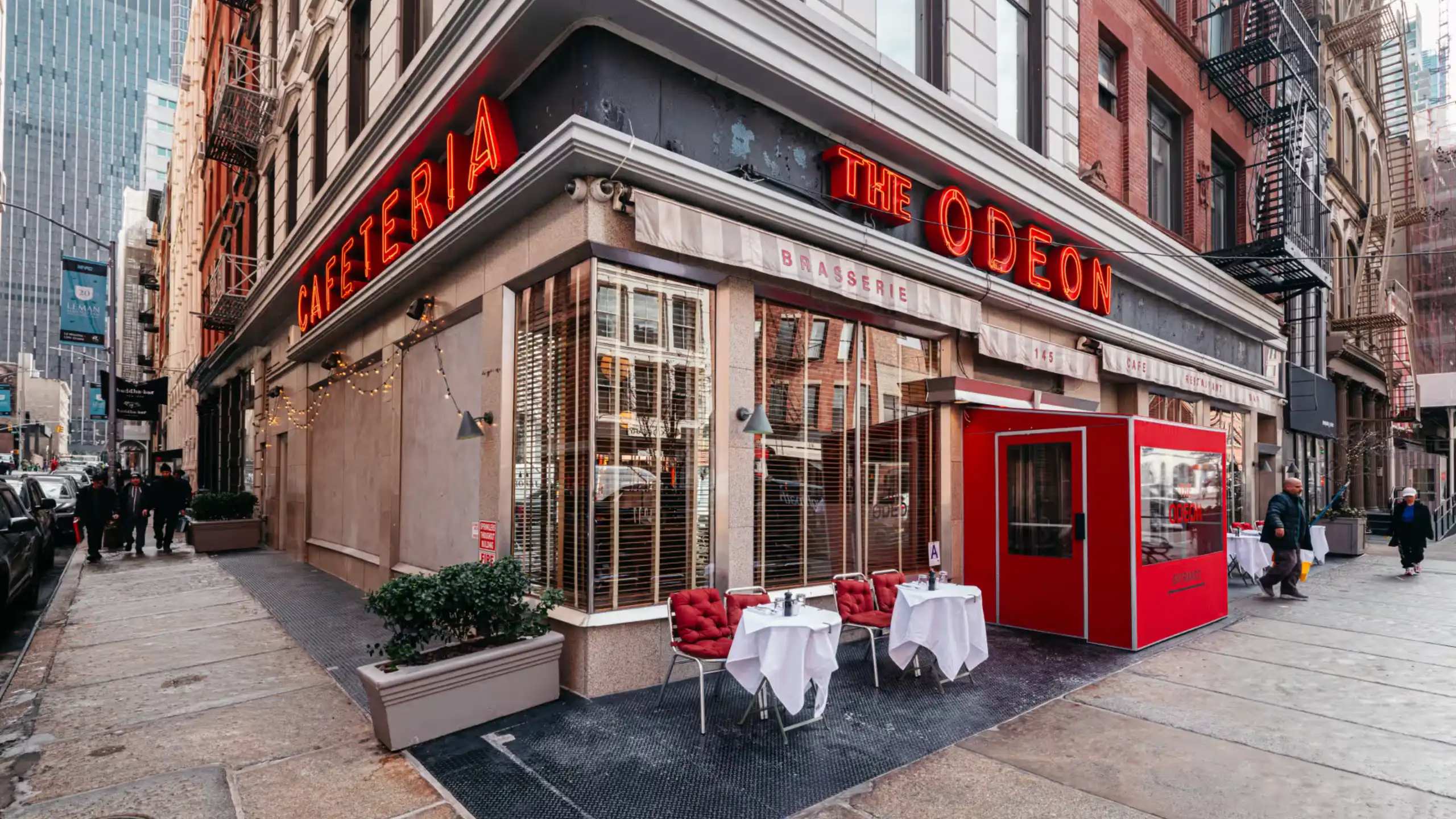
The Odeon has welcomed Tribeca residents for generations. Locanda Verde continues to be as appropriate for a weekday breakfast meeting as it is for a celebratory dinner. Frenchette quickly established itself as one of New York’s defining restaurants, while Tiny’s & The Bar Upstairs, tucked inside its historic townhouse, remains one of those places that still feels uniquely local despite its reputation.
These restaurants do more than serve meals.
They’re where birthdays are celebrated, deals are made, old friends reconnect and new traditions begin.
They’re part of the neighborhood’s identity.
Walk through Washington Market Park on a Saturday morning and you’ll see another side of that identity. Families gather before heading to soccer practice. Children race toward the playground. Neighbors stop to catch up before continuing on to the farmers market or brunch. A few blocks away, parents walk their children to P.S. 234, one of the city’s most sought-after public elementary schools, while regulars filter into neighborhood cafés where the staff already know their orders.
Those moments rarely appear in listing descriptions.
Yet they’re often the very reasons people choose to stay.
Perhaps that’s what makes Tribeca so enduring.
It’s not simply that the buildings are beautiful or the apartments are exceptional.
It’s that the neighborhood has reached a level of maturity that’s incredibly difficult to recreate.
Its architecture is protected.
Its waterfront continues to improve.
Its restaurant scene is established but still evolving.
Its parks, schools and public spaces have become woven into daily life.
Even its scale feels increasingly rare. Unlike many parts of Manhattan, Tribeca still allows the architecture to breathe. Historic loft buildings sit comfortably beside thoughtfully designed new residences. Tree-lined streets soften the blocks. The neighborhood feels substantial without ever feeling overwhelming.
You can build a beautiful new building. You can’t build an old neighborhood. That’s an important distinction.
Real estate conversations often focus on square footage, finishes and amenities because they’re easy to compare.
The qualities that define Tribeca are much harder to measure.
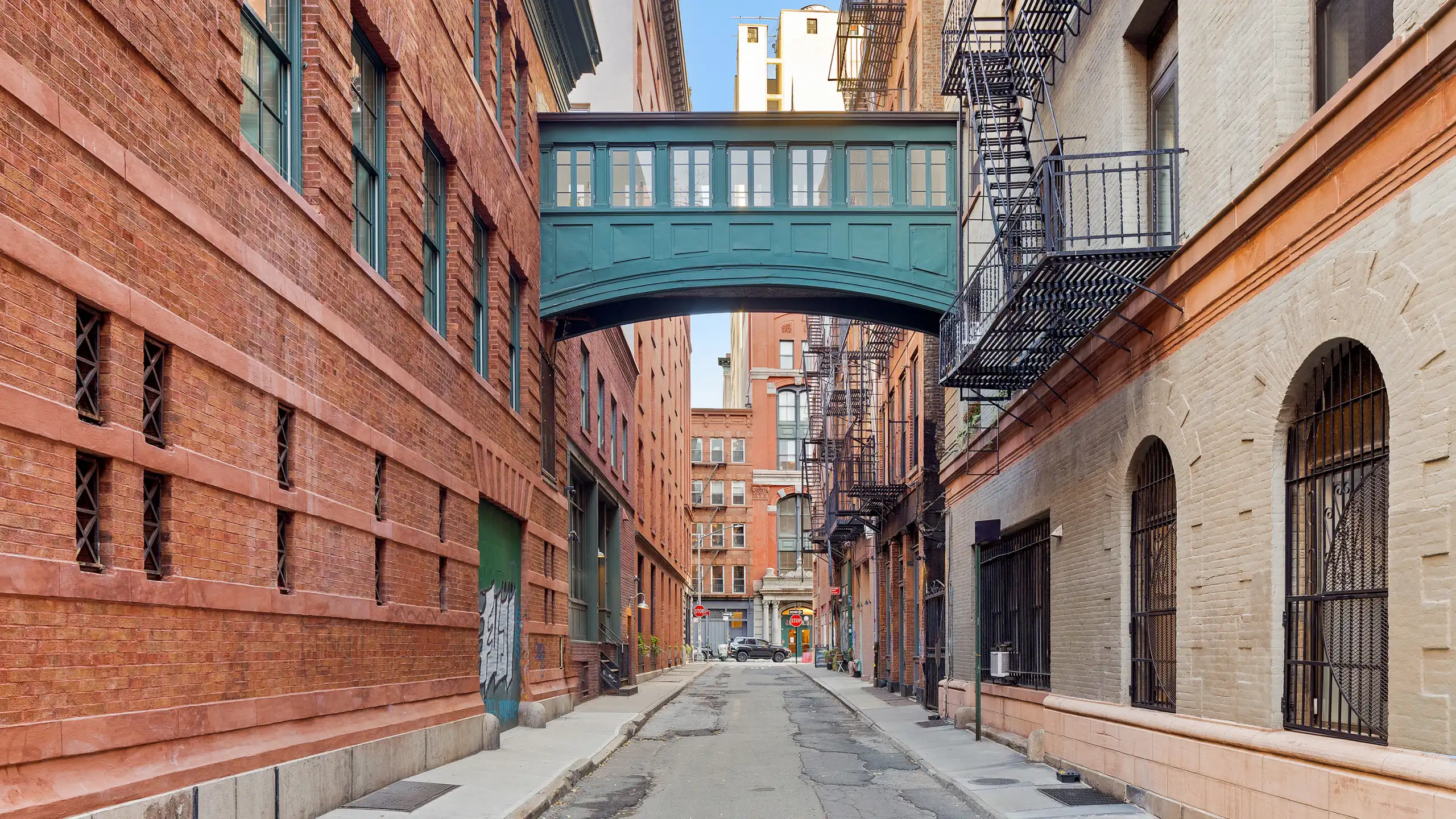
The rhythm of North Moore Street on a quiet Sunday morning.
The walk home along Staple Street after dinner.
The last light reflecting across the brick façades on Franklin Street.
Knowing that within a few blocks you can spend the afternoon along the river, meet friends at a neighborhood institution, pick up groceries, stop for coffee and be home before sunset.
Those are the details that become part of everyday life.
They’re also the qualities that no future renovation can ever create.
Years from now, kitchens will be redesigned. Bathrooms will be updated. Styles will change.
But the things that make Tribeca one of New York’s most enduring neighborhoods will remain remarkably familiar.
And I have a feeling those will be the very reasons future buyers fall in love with it, too.
Social Cookies
Social Cookies are used to enable you to share pages and content you find interesting throughout the website through third-party social networking or other websites (including, potentially for advertising purposes related to social networking).